
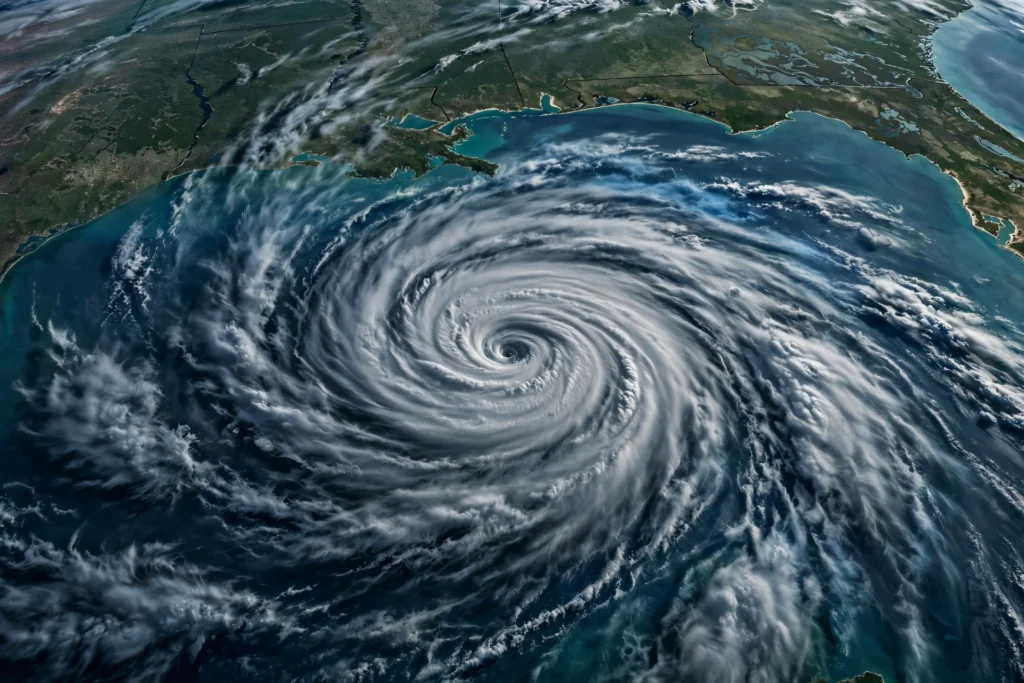
Hurricane Isaias Slams Into the Gulf Coast as a Major Storm: Landfall, Evacuations and What Happens Next
It took 121 years for a storm like this to arrive so late. Hurricane Isaias — the first hurricane of the 2026 Atlantic season — exploded into a major Category 3 storm on Friday, October 9, and began battering the northern Gulf Coast overnight, forcing tens of thousands of people to flee, shutting down airports and rail lines, and triggering states of emergency across three states.
By the time most Americans woke up on Saturday, the storm had already written its name into the record books. Isaias became a hurricane on Wednesday, October 7 — nearly the latest date on record for the season’s first hurricane, a milestone last approached in 1905. Then it did what nobody expected from such a quiet season: it rapidly intensified, with sustained winds topping 120 miles per hour at its peak, before easing slightly to a Category 2 as it came ashore near the Alabama-Florida state line.
Here’s everything you need to know about Hurricane Isaias — where it hit, what it has done so far, and what the next 48 hours could bring.
A monster that waited 121 years
The 2026 Atlantic hurricane season has been eerily calm. Thanks to a strong El Niño — the climate pattern that typically suppresses tropical development — the ocean stayed stubbornly quiet through August and September. Forecasters watched week after week pass without a single hurricane forming.
That changed on Wednesday, when a tropical system that had been meandering in the Gulf finally organized into Hurricane Isaias. According to tracking data reported by Canadian Travel News, its formation marked the latest first hurricane of any Atlantic season in 121 years, narrowly missing the record set back in 1905.
And Isaias didn’t just break a record — it broke the season’s silence in dramatic fashion. By Thursday, the National Hurricane Center reported winds of 100 mph, making it a Category 2. On Friday morning, it surged again, briefly becoming a major Category 3 hurricane with 120 mph winds as it sat roughly 170 miles south-southeast of the mouth of the Mississippi River, bearing down on a coastline that had had almost no time to prepare.
Where Hurricane Isaias made landfall — and where it will hurt most
The National Hurricane Center placed the landfall zone near the Alabama-Florida Panhandle border, with the most likely impact corridor stretching from Ocean Springs, Mississippi, in the west to the Bay and Gulf county line in Florida in the east. Forecasters warned that even as the storm weakens after landfall, its dangers will stretch far beyond the point where the eye comes ashore.
The biggest killer in any Gulf hurricane is water, and Isaias is no exception. Storm surge warnings stretched from the mouth of the Mississippi River all the way to the Suwannee River in Florida, with forecasters warning of 5 to 7 feet of life-threatening inundation along the coast. Rainfall totals of 4 to 8 inches were expected across southern Alabama, the Florida Panhandle and parts of the Southeast, with isolated pockets getting up to 15 inches — enough to trigger dangerous flash flooding far inland.
The wind threat isn’t confined to the beach, either. The NHC warned of “dangerous and damaging hurricane-force winds” across the Florida Panhandle, southern Alabama and southern Mississippi, telling residents who stayed behind to shelter in an interior safe room and prepare for the possibility of long-term power outages. Damaging gusts were forecast as far inland as northern Georgia, the southern Appalachians and southern Middle Tennessee, and the National Weather Service flagged a rare possible “sting jet” bringing extreme winds to central Alabama. Tornadoes remain a threat through Saturday, with the risk extending into Georgia and the Carolinas.
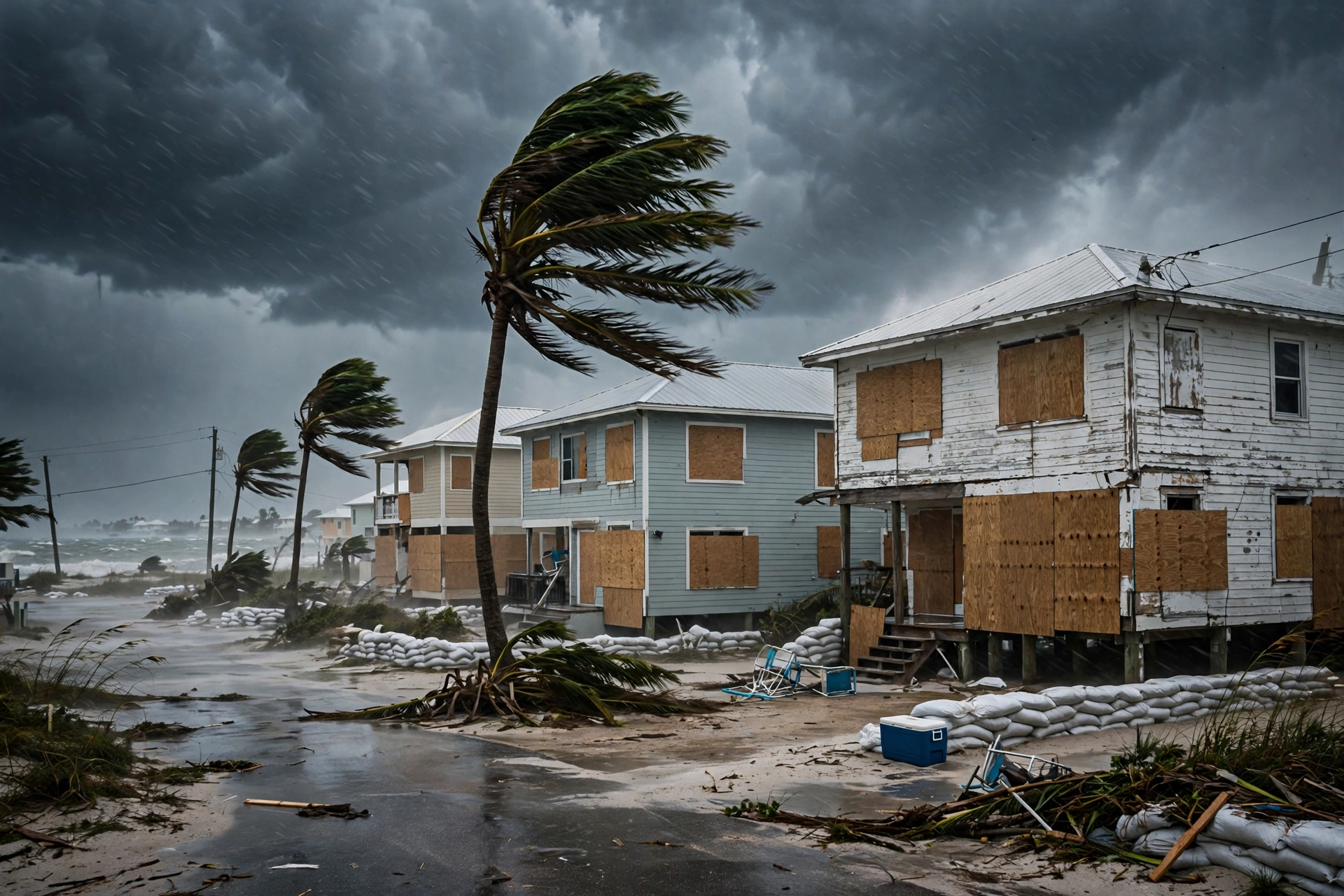
Evacuations and states of emergency: tens of thousands flee
Governors across the region moved fast. Florida Governor Ron DeSantis declared a state of emergency covering 25 counties across the Panhandle and Big Bend regions, while Alabama Governor Kay Ivey declared one for 40 counties. Georgia Governor Brian Kemp followed with a statewide emergency declaration of his own.
Mandatory evacuation orders were issued for some of the most exposed coastal communities. In Florida, parts of Walton, Escambia and Okaloosa counties were told to leave, while in Alabama, Governor Ivey ordered non-residents out of Gulf Shores, Orange Beach and Dauphin Island. Heavy traffic was reported streaming out of Gulf Shores on Thursday as residents fled inland, and on Dauphin Island, local officials even shut down the public water service.
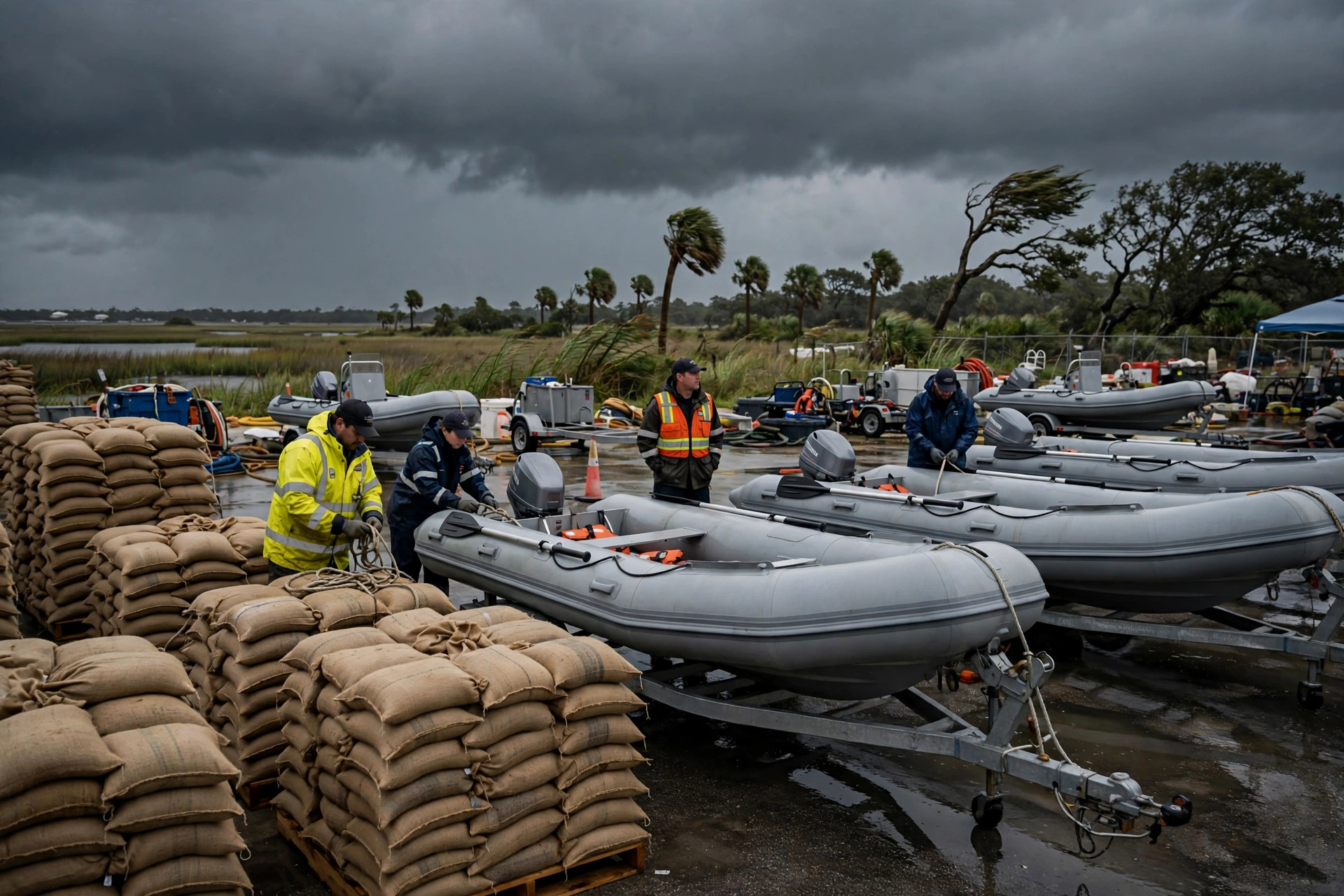
Florida mobilized roughly 5,000 National Guard troops, positioning rescue teams, sandbags and emergency supplies across the Panhandle. Public shelters opened at Theodore High School, Baker High School and Collins-Rhodes Elementary School in Alabama. Officials pleaded with anyone in low-lying or coastal areas to leave immediately, warning that roads could become impassable within hours — and that Category 2 winds of 96 to 110 mph can bring near-total power loss that lasts for days.
Travel chaos: airports close, rail lines halt, events cancelled
Hurricane Isaias didn’t just disrupt the coast — it disrupted movement across the entire region. Destin-Fort Walton Airport closed outright, and Pensacola International Airport halted commercial operations at 10 a.m. on Friday. Major carriers including Delta, American Airlines, United and Southwest issued flexible rebooking waivers as flights were scrubbed across the Gulf.
On the ground, Amtrak suspended its Mardi Gras and Crescent routes, municipal transit systems in the storm’s path halted operations, and gas stations across Alabama reported panic buying. Some big weekend plans were scrapped entirely: organizers cancelled the 53rd annual National Shrimp Festival, and a Phish concert scheduled for Saturday at the Orion Amphitheater in Huntsville was called off.
The oil shock nobody is talking about
Here’s an angle that will matter far beyond the Gulf: Isaias is marching straight through some of the most productive oil and gas fields in American waters. Energy giants including Shell and Chevron curtailed offshore operations, and producers shut in roughly 25 percent of oil output and 16 percent of natural-gas output in the Gulf of Mexico — potentially disrupting up to 11.2 million barrels of oil production, a bigger hit than July’s Tropical Storm Bertha delivered.
With fuel prices already elevated, analysts are watching closely. A prolonged shutdown of Gulf platforms could ripple through gasoline and energy markets in the coming weeks — making this hurricane an economic story as much as a weather one.
Why scientists are watching this storm so closely
Isaias is a case study in how strange this hurricane season has been. A strong El Niño usually means a quiet Atlantic — and for months, that’s exactly what it delivered. So how did a storm go from a disorganized tropical system to a major Category 3 hurricane in a matter of days?
The answer, scientists say, is that local conditions in the Gulf — unusually warm water and a brief window of low wind shear — briefly overpowered the broader pattern. It’s a reminder that a “quiet season” forecast is never a guarantee of a quiet landfall. As one forecaster’s warning put it, it only takes one storm to make a season memorable — and for the Gulf Coast, Isaias is that storm.
Hurricane Isaias: your questions answered
Where exactly did Hurricane Isaias make landfall?
The storm came ashore overnight Friday into Saturday, October 10, near the Alabama-Florida state line, with the forecast landfall corridor stretching between Ocean Springs, Mississippi, and the Bay/Gulf county line in Florida. The most intense impacts were expected around Mobile, Alabama, and the Florida Panhandle.
Was Hurricane Isaias a Category 3 at landfall?
Isaias peaked as a Category 3 major hurricane on Friday, with sustained winds of 120 mph, then weakened slightly to a Category 2 (100–105 mph) as it reached the coast. Forecasters stress that the category number describes wind speed only — the storm surge, flooding and tornadoes can be just as dangerous at any strength.
Is it safe to travel to Florida or Alabama right now?
No. Airports in the Panhandle have closed or suspended operations, Amtrak routes are halted, and officials have warned roads may become impassable. Airlines including Delta, American, United and Southwest are offering flexible rebooking waivers — if you have travel plans in the region this weekend, reschedule.
How does Isaias compare to past hurricanes?
Historically, its claim to fame is timing: it is the latest first hurricane of an Atlantic season in 121 years, nearly matching a record from 1905. As a storm, it is a reminder that late-season Gulf hurricanes — like Michael in 2018 — can be among the most dangerous of all.
The bottom line
Hurricane Isaias may have arrived 121 years late, but it wasted no time making itself unforgettable: a rapidly intensifying major hurricane that shut down a three-state stretch of the Gulf Coast overnight. The next 48 hours will be about inland flooding, tornadoes and power restoration — and the full picture of the damage won’t be clear until the water recedes.
If you’re in the affected region, heed local officials, stay off the roads, and keep a battery-powered radio handy. If you’re watching from afar, this is the storm that will define the strangest hurricane season in more than a century. We’ll keep tracking it as the story develops.
Pingback: Mike Ditka Dies at 86: Remembering "Da Coach," the Man Who Turned the Bears Into the Monsters of the Midway - Storion News
Pingback: Navi Pillay Wins the 2026 Nobel Peace Prize — and Hours Later, the US Sanctions the ICC - Storion News
Pingback: 7.7-Magnitude Earthquake Shakes Panama: Buildings Crack, Streets Empty in Mass Evacuations - Storion News
Pingback: Nepal Flash Flood: 4 Missing as Budhi Gandaki River Sweeps Away Homes and Bridges - Storion News