
US Inflation Jumps to 3.7% in September — Wall Street Slides as Fed Rate-Hike Bets Surge
Think inflation was finally under control? Think again. America’s cost-of-living squeeze just got worse — and Wall Street didn’t like it one bit.
The US consumer price index climbed 0.6% in September, pushing the annual inflation rate to 3.7%, according to data released Wednesday by the Bureau of Labor Statistics. That’s up from 3.4% in August — and it came in hotter than the 3.6% economists polled by Dow Jones were expecting. Core inflation, the measure the Federal Reserve watches most closely, also overshot: 0.3% for the month and 2.6% for the year, against forecasts of 0.2% and 2.5%.
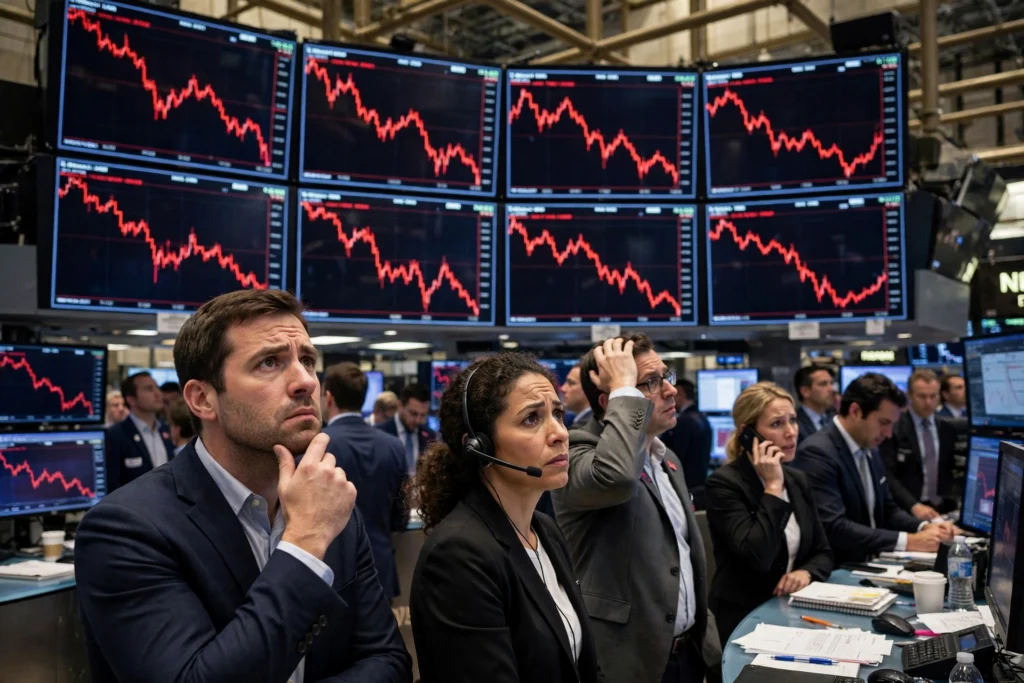
The market reaction was swift and ugly. The S&P 500 slid 0.60%, the Nasdaq dropped 0.78% and the Dow edged down 0.06% on October 14, as traders suddenly had to price in something they had mostly dismissed: the possibility of another Fed rate hike as soon as October 28.
Gasoline Did the Damage — But Core Inflation Is the Real Problem
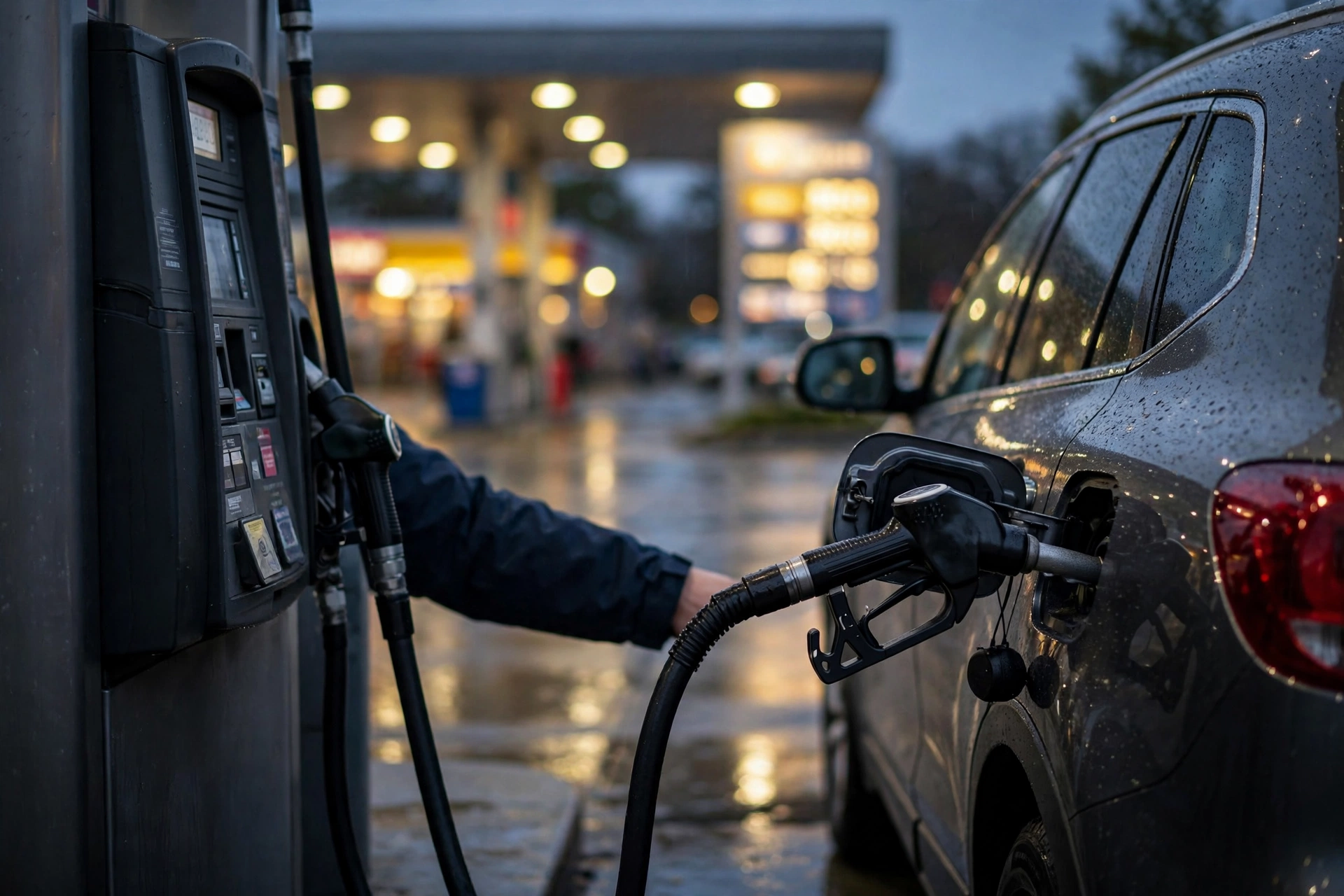
Here’s the part everyone will talk about: gasoline prices surged 9.1% in a single month, accounting for more than half of September’s entire inflation increase. The broader energy index jumped 5.2% after a 2.1% rise in August. If you felt poorer every time you filled up last month, the data says you weren’t imagining it.
But don’t let the gas-pump headline fool you into thinking this is just an energy story. The more troubling detail sits one layer deeper. Core CPI — which strips out the volatile food and energy components — accelerated too, rising 0.3% for the month. That means price pressures are spreading: recreation, used vehicles, education, airline fares and medical care all got more expensive. This isn’t one wild category skewing the average. It’s broad-based, and that’s exactly what keeps central bankers awake at night.
Shelter costs, the single biggest weight in the inflation basket, climbed 0.4%. Food prices were flat — small mercy — but grocery bills had merely declined slightly while consumers kept paying more for housing, airline tickets and used cars. For American households already stretched thin, September’s report reads like a bill they can’t afford to ignore.
Wall Street’s Ugly Wednesday
Investors had walked into Wednesday morning with a comfortable story: inflation was cooling, the Fed was done tightening, and the only question was when rates would start coming down. The CPI report shredded that story in minutes.
Rate-hike odds exploded. Data compiled by LSEG showed traders pricing a 46% chance of a quarter-point hike at the Fed’s October 27-28 meeting — more than double the 21.6% odds seen before the report. CME FedWatch briefly pushed the implied probability above 50% in the morning session before it settled back toward 33% by the afternoon. Either way, the direction of travel is unmistakable: tightening is back on the table.
Bank stocks took the worst beating. Bank of America plunged 8.5% after third-quarter profit declined and the lender set aside $1.2 billion for regulatory fines, dragging the S&P 500 Banks index down 2.4% to its lowest level in more than four months. Chipmakers joined the sell-off — Intel fell 2.6%, Micron lost 1% and Nvidia slipped 1.7% — extending the semiconductor sell-off that has been rattling chip stocks on fears about memory breakthroughs in China.
The pain spread beyond equities. The 10-year Treasury yield hit 5.329%, flirting with a 24-year high. Gold dropped to about $4,079 an ounce. Bitcoin tumbled to roughly $81,926 on Bitstamp as risk assets repriced across the board. When the world’s safest assets start convulsing, you know the macro picture just changed.
The Fed’s October Decision Just Got a Lot Harder
All eyes now turn to Washington, where the Federal Reserve’s policymakers meet on October 27-28. Before Wednesday, the meeting looked like a non-event. Now it’s the most consequential gathering of the year.
Not everyone at the Fed is panicking yet. Fed Vice Chair for Supervision Michelle Bowman and San Francisco Fed President Mary Daly both signaled that policymakers could wait for a clearer picture before deciding whether to hike again. Their cautious tone helped pull those eye-watering morning hike odds back down — and it’s an important nuance: one hot report does not automatically mean a rate increase.
But here’s the uncomfortable question facing Chair Jerome Powell and his colleagues: what if September isn’t a blip? Core inflation accelerating to 2.6% annually — still well above the Fed’s 2% target — suggests the “last mile” of the inflation fight is proving stubborn. Add in rising diesel costs, tariff pressures rippling through supply chains, and the massive capital spending of the AI boom, and the ingredients for persistent price pressure are all there.
As economist Robin Brooks put it, this is “the last thing global bond markets needed” — arriving just as the global bond sell-off had started to calm. Markets, he warned, are “catching on fire again.”
What This Means for Your Money
So what should you actually do with this information? A few things worth knowing:
Mortgage and loan rates probably aren’t coming down soon. With the 10-year Treasury yield near multi-decade highs, borrowing costs for homes, cars and credit cards are likely to stay elevated — or climb further if the Fed hikes.
Cash savers get a breather. Higher-for-longer rates keep savings account and money-market yields attractive. That’s the silver lining of an otherwise grim report.
Stock market volatility is back. Growth and tech stocks — especially the high-flying AI names — are the most sensitive to interest rates. Wednesday’s chip sell-off is a reminder that valuations built on cheap-money assumptions don’t survive hot inflation prints.
Frequently Asked Questions
What did the September 2026 CPI report show?
Headline inflation rose 0.6% for the month and 3.7% year-over-year, above the 3.6% consensus forecast. Core CPI (excluding food and energy) rose 0.3% monthly and 2.6% annually, also beating expectations. Gasoline’s 9.1% monthly surge was the biggest single driver.
Will the Fed raise interest rates in October 2026?
It’s now a genuine possibility. Traders briefly priced in better-than-even odds of a quarter-point hike at the October 27-28 meeting before the odds settled near 33%. Fed officials including Michelle Bowman and Mary Daly say they may wait for more data before acting.
Why did the stock market fall after the CPI report?
Hotter inflation means the Fed may keep rates higher for longer — or raise them again. Higher rates make future corporate earnings worth less today, hitting growth stocks and banks hardest. The S&P 500 fell 0.60% and the Nasdaq 0.78% on October 14.
How does this affect ordinary consumers?
In the short term: higher prices at the pump and in housing, airline tickets and used cars, plus borrowing costs that stay elevated. The one upside: savings rates remain attractive while the Fed keeps policy tight.
The Bottom Line
September’s inflation report was a wake-up call dressed as a data release. At 3.7%, annual inflation isn’t just above target — it’s accelerating, it’s broad-based, and it’s forcing the Federal Reserve to seriously consider a move nobody wanted to contemplate. Wall Street got the message in one ugly session. Whether the Fed delivers a hike on October 28 or chooses to wait, one thing is clear: the era of “inflation is solved” thinking is over. The fight’s final mile just got a lot longer.
Pingback: Paradise on Edge: Mauritius Extends Curfew After Worst Riots in Decades - Storion News