
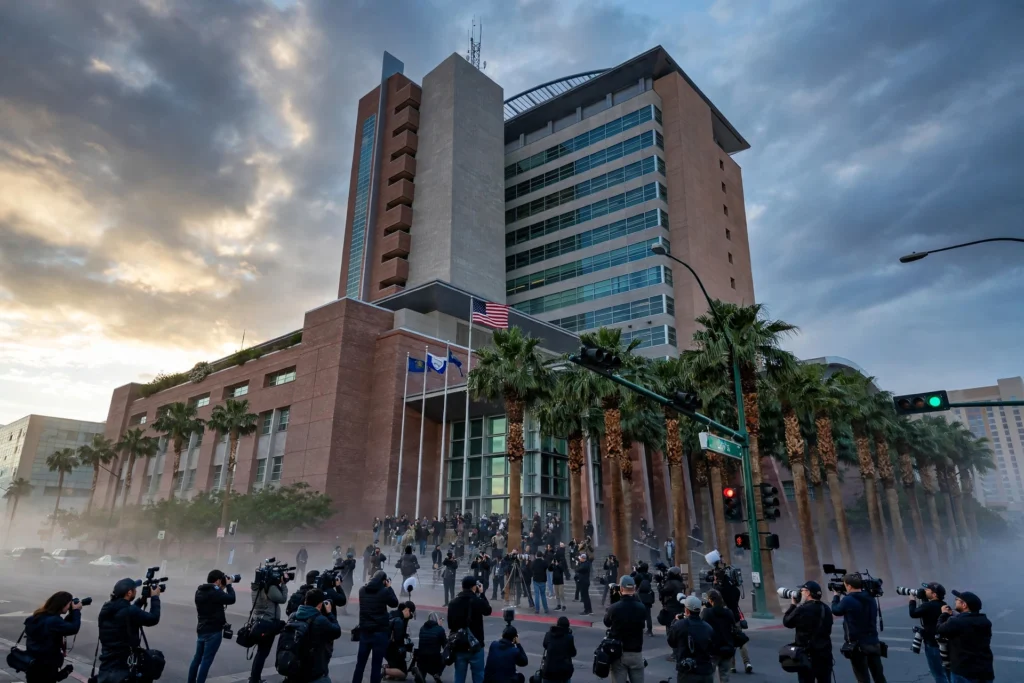
Keffe D Sentencing: Tupac Shakur’s Killer Faces Life in Prison Nearly 30 Years After the 1996 Drive-By
Some nights live forever. September 7, 1996, was one of them — the night gunfire erupted beside a black BMW on a Las Vegas strip and silenced one of the most electrifying voices hip-hop has ever known. For nearly three decades, the murder of Tupac Shakur sat there as America’s most notorious cold case, a riddle that swallowed conspiracy theories whole. This Tuesday, October 13, the riddle gets its ending in a Las Vegas courtroom, where Duane “Keffe D” Davis returns to face sentencing — and a possible life sentence without parole.
Let’s be honest: nobody truly believed this day would come. For 27 years, the case sat frozen. Then, in September 2023, Las Vegas police arrested Davis, a 63-year-old former leader of the South Side Compton Crips, and everything changed. This August, an 11-day trial and barely three hours of jury deliberation produced the unthinkable: the first — and only — conviction for the killing of a 25-year-old legend.
So what happens now? Here’s everything about the Keffe D sentencing, the case that finally cracked a 30-year mystery, and why the one question that matters most still has no answer.
What the Jury Decided — and What Keffe D Faces Now
On August 31, 2026, a 12-person jury found Duane Davis guilty of first-degree murder with use of a deadly weapon. The conviction carries a maximum penalty of life in prison without the possibility of parole, and the minimum the court can hand down is still measured in decades.
Judge Carli Kierny set October 13 as sentencing day the moment the verdict landed. The proceedings in the Clark County District Court’s Regional Justice Center are expected to draw enormous attention — the court is once again running a lottery system for public observation, with proceedings streamed into an overflow room. Davis will remain locked up regardless; he has been jailed without bail since his arrest in September 2023.
Davis isn’t going quietly. After the verdict was read, he told the courtroom he plans to appeal — a pledge his attorney, Michael Sanft, later confirmed. Under Nevada law, formal appeal filings must wait until after sentencing, so this hearing is the last act before the legal fight moves to a higher court.
How a 30-Year Cold Case Finally Broke Open
Here’s the twist nobody saw coming: Keffe D’s own words became the case against him.
After the verdict, Clark County District Attorney Steve Wolfson was remarkably blunt about what won the trial. He credited Davis’s years of interviews, podcasts, documentaries, and a memoir — his own on-the-record accounts of the 1996 shooting — as the prosecution’s backbone. Davis had spent years publicly describing his role in the killing, apparently believing he was safe. He was wrong.
The prosecution’s theory ran like this. On the night of September 7, 1996, Shakur and his entourage — including Marion “Suge” Knight, co-founder of Death Row Records — were in Las Vegas for a Mike Tyson fight at the MGM Grand. After the bout, a brawl erupted inside the casino between Shakur’s group and Orlando “Baby Lane” Anderson, Davis’s nephew and a fellow South Side Compton Crip. The fight stemmed from long-running hostility between the South Side Compton Crips and Mob Piru, the gang associated with Shakur, Knight, and Death Row Records.
Hours later, Shakur rode in the passenger seat of Knight’s black BMW toward the Las Vegas Strip. A white Cadillac pulled alongside near the intersection, gunfire erupted, and Shakur was struck multiple times. He died six days later, on September 13, at age 25. Knight was wounded but survived.
Prosecutors argued Davis masterminded the retaliation: he supplied the gun, rode in the white Cadillac, and directed the attack to avenge his nephew’s beating. Critically, the state never claimed Davis pulled the trigger. Under Nevada law, that didn’t matter — someone who organizes or facilitates a murder is criminally responsible even if someone else fired the fatal shots.
The defense pushed back hard. Sanft argued that no witness or independent physical evidence placed Davis in Las Vegas that night or inside the suspect car, and that his client’s media interviews were embellished stories, not confessions. The jury didn’t buy it. Three hours later: guilty.
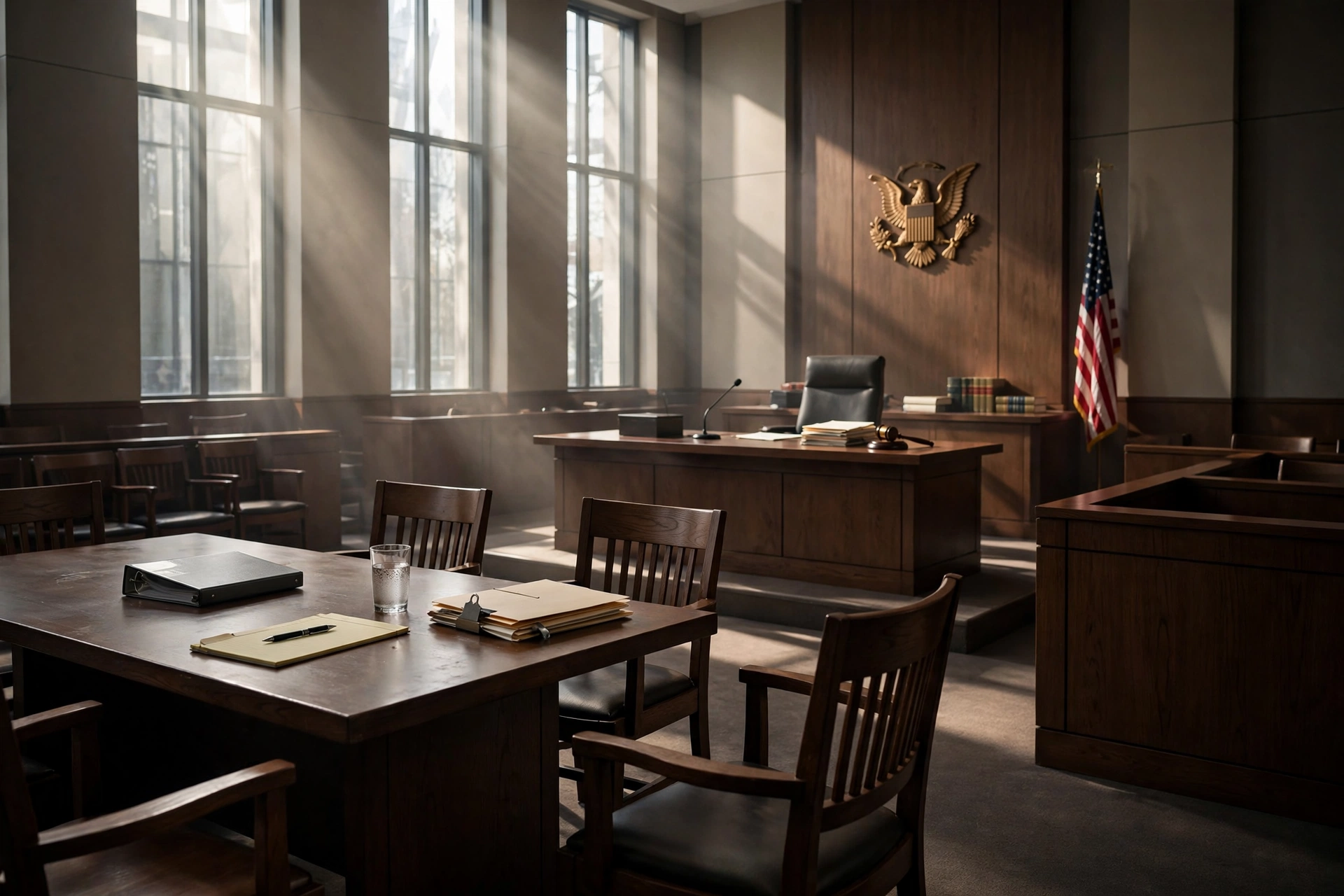
Why This Verdict Landed Like an Earthquake in Hip-Hop
You can’t overstate what Tupac meant — and means. Shot dead at 25 with albums like Me Against the World and All Eyez on Me still fresh in the charts, Shakur became something beyond a rapper: a martyr of the golden age of rap, a voice for the voiceless, a cultural figure whose shadow stretches across every era since.
His death, coming just months before The Notorious B.I.G.’s own unsolved killing in March 1997, became the grim centerpiece of the East Coast–West Coast feud narrative — a story that music magazines have never stopped retelling. The case generated a cottage industry of documentaries, books, and conspiracy theories: faked death claims, rival hit theories, industry vendettas. For thirty years, there was no official answer. Now there’s a verdict — and the culture is still catching its breath.
That’s worth sitting with for a moment. An entire generation grew up with the assumption that Tupac’s killer would never be named, let alone convicted. The arrest alone in 2023 felt like the impossible happening. The conviction? The sentencing today closes a chapter that millions of fans assumed would stay open forever.
Hollywood has been reckoning with loss all year — tributes poured in after Breaking Bad star RJ Mitte’s death — but this is different. This isn’t mourning. It’s reckoning: a court finally assigning blame, nearly 30 years late.
The One Question That Still Has No Answer
And here’s the thing every headline skips: nobody knows — or has ever been able to prove — who actually pulled the trigger.
Davis was convicted as the organizer, not the shooter. Reuters reported that the question of who fired the fatal shots “has never been conclusively decided,” and it remains the case’s great unresolved ghost. Orlando Anderson, the man prosecutors believe was the likely shooter in the Cadillac, died in a 1998 gang shooting in Compton — taking whatever truth he knew to the grave.
So while the sentencing delivers something fans have demanded for decades — accountability — it’s an incomplete kind of justice. A mastermind punished, a trigger finger unidentified. Will Davis’s appeal force a retrial? Will he ever name the shooter in exchange for leniency? The courtroom this Tuesday is the next place those questions could surface, and given Davis’s history of talking when he shouldn’t, anything is possible.
Frequently Asked Questions
When is the Keffe D sentencing?
Duane “Keffe D” Davis is being sentenced on Tuesday, October 13, 2026, in Clark County District Court in Las Vegas, before Judge Carli Kierny. Proceedings begin at 10:30 a.m. local time, with a lottery system for public seats in the Regional Justice Center.
What sentence does Keffe D face for Tupac’s murder?
Davis was convicted of first-degree murder with use of a deadly weapon, which carries a maximum penalty of life in prison without the possibility of parole. He has been held without bail since his September 2023 arrest.
Did Keffe D actually shoot Tupac?
No — prosecutors never claimed he did. Davis was convicted of orchestrating the killing: supplying the gun, riding in the Cadillac, and directing the retaliation. Under Nevada law, organizing a murder carries the same liability as committing it. Who fired the fatal shots has never been conclusively established.
Can Keffe D appeal the conviction?
Yes. Davis announced his intention to appeal immediately after the verdict, and his attorney confirmed the challenge. Formal appeal filings must wait until after sentencing, so today’s hearing is the gateway to that fight.
The Bottom Line
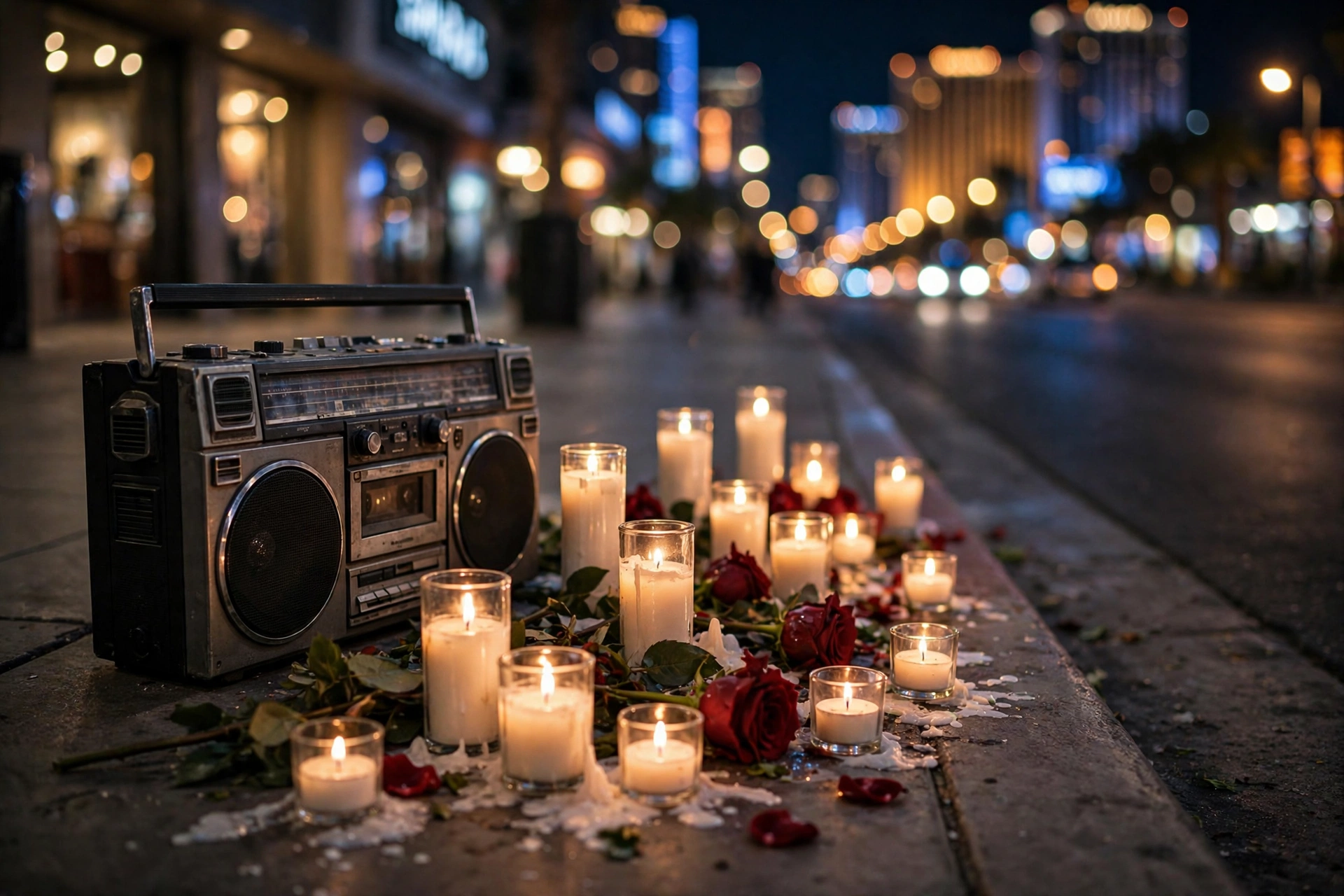
For nearly 30 years, the murder of Tupac Shakur was the crime that got away with it — a wound in music history that never healed because it never got an answer. Today, with Duane “Keffe D” Davis facing life in a Las Vegas courtroom, the cold case finally gets a ending. Not a neat one — the shooter’s identity remains a mystery, and an appeal is already promised. But an ending all the same. For the fans who lit candles on sidewalks for three decades, for the culture that never let the question die, this is the day the system finally caught up. The only question left is what Keffe D himself will say when the judge hands down the sentence — because if history is any guide, he’ll talk.
Pingback: Russell Brand Trial: Prosecution Opens Case on Seven Charges as Jury Hears Decade of Allegations - Storion News