
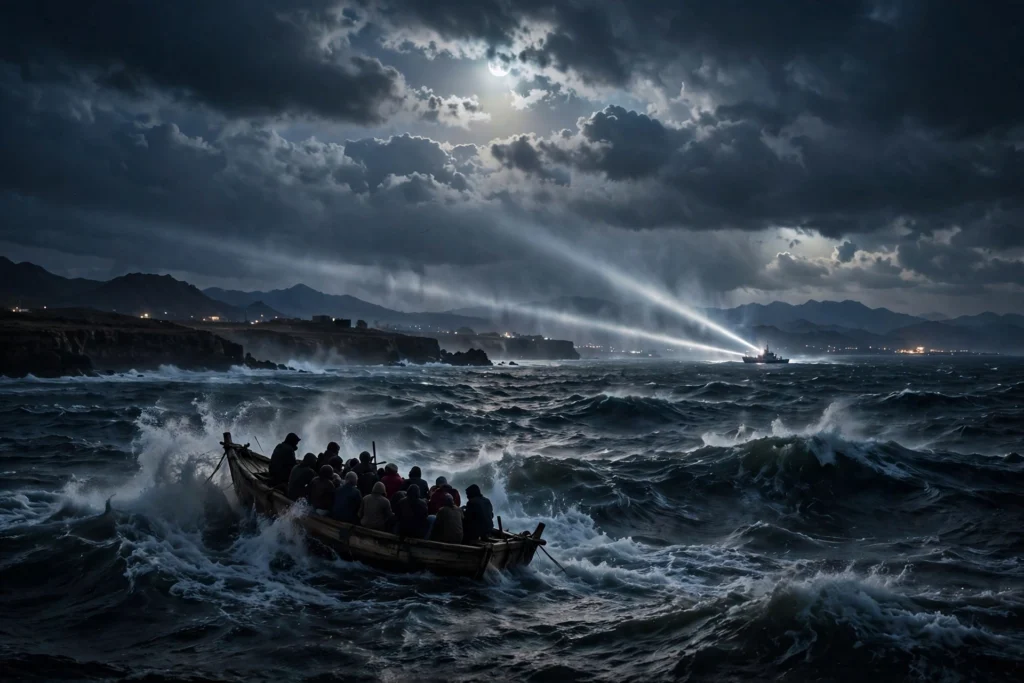
Djibouti Boat Tragedy: 139 Dead, 84 Missing After Migrant Ship Sinks Off Obock
They never stood a chance. An overcrowded boat crammed with roughly 305 people sank in the dark off the coast of Djibouti — and now at least 139 of them, including 15 children, are dead. Dozens more are still missing.
The Djibouti boat tragedy unfolded during the night of October 8–9 near Guhere, a stretch of coastline north of the port town of Obock. The vessel was headed for Yemen. When dawn broke, the shoreline told its own story: bodies, debris, and the worn-out sandals and sneakers of people who had packed everything they owned into one impossible gamble.
What Happened Off Obock
The International Organization for Migration (IOM), the United Nations’ migration agency, confirmed the disaster on Sunday, October 11, citing survivor accounts. The boat, carrying around 305 people, capsized in the Red Sea waters between Djibouti and Yemen during the night. Why exactly the vessel went down is still under investigation, but overcrowding on this route is practically a guarantee — smugglers routinely pack hundreds of passengers onto boats built for a fraction of that number.
About 82 people survived the wreck, all of them Ethiopian nationals, according to the IOM. They were brought to an assistance center in Obock, where the agency and Djiboutian authorities are providing emergency medical care, food, and shelter. IOM Chief of Mission in Djibouti, Alexandre Coissac, said: “Our teams are on the ground alongside local authorities to provide emergency assistance.”
Death Toll Climbs From 109 to 139
The Djibouti boat tragedy initially appeared “smaller” — the IOM’s first statement on Sunday reported 109 dead and more than 116 missing. Hours later, the toll jumped to 139 confirmed dead and 84 missing, after another 30 bodies were recovered and accounted for. The breakdown of the first 109 recovered is haunting in its detail: 52 men, 42 women, and 15 children — including nine girls and six boys.
Here’s the painful caveat: the true toll may be even higher. The IOM told the Associated Press that some bodies buried by fellow migrants have not yet been included in the official count because they still need verification. Djiboutian authorities are continuing search-and-rescue operations while also arranging burials for those who have been recovered.
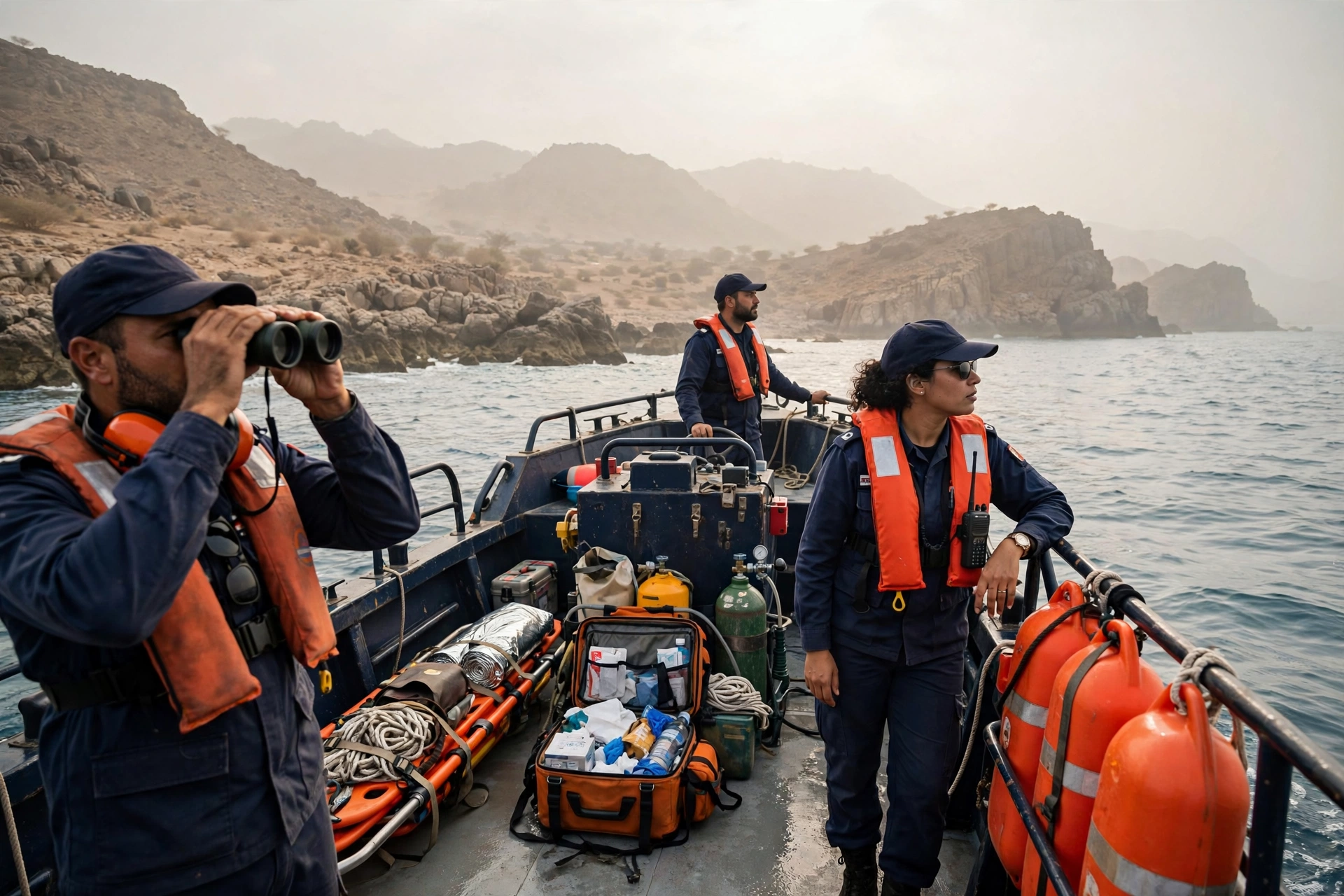
The Eastern Route: One of the World’s Deadliest Corridors
The stretch of water that swallowed this boat is part of what migration agencies call the Eastern Route — a corridor running from the Horn of Africa across the Red Sea and the Bab el-Mandeb strait to Yemen, and onward, in many travelers’ minds, to the wealthier Gulf states. It is one of the most dangerous journeys on Earth. The IOM reports that more than 900 people died or went missing along this route in 2025 alone.
That number should stop you cold. And yet the boats keep coming. Why? Because the forces pushing people onto them — poverty, conflict, and the pull of work that could change a family’s future — don’t disappear just because the water is lethal.
For the survivors of the Djibouti boat tragedy, the journey was a one-way bet: Ethiopia, where fighting broke out last month in the biggest escalation of violence since the Tigray war, on one side; and Yemen, a country descending into the most serious escalation of fighting between Saudi-backed government forces and the Houthis since a UN-brokered truce largely halted cross-border attacks in 2022, on the other. The Red Sea region has been a tinderbox all year, and disasters like this one pile onto an already unbearable situation — as we’ve seen in recent weeks with the deadly Houthi missile strike on Riyadh airport and the region’s broader military tensions.
Survivors in Shock, Rescue Efforts Continue
The 82 survivors pulled from the water are now at the IOM’s response center in Obock, receiving emergency healthcare, food, shelter, and psychological support. Officials describe them as deeply distressed — some still don’t know whether their relatives survived. The IOM’s Coissac called the wreck “a stark reminder of the dangers faced by migrants along this migration corridor as they seek economic opportunities.”
Djiboutian authorities have continued search-and-rescue operations while local teams provide medical care to survivors and arrange burials for the deceased. Recovery efforts in these waters, however, are brutally difficult, and every passing day makes the missing harder to find — a grim reality familiar from other disasters in the region, including the recent flash floods in Nepal’s Gorkha district where search teams are still looking for the missing.
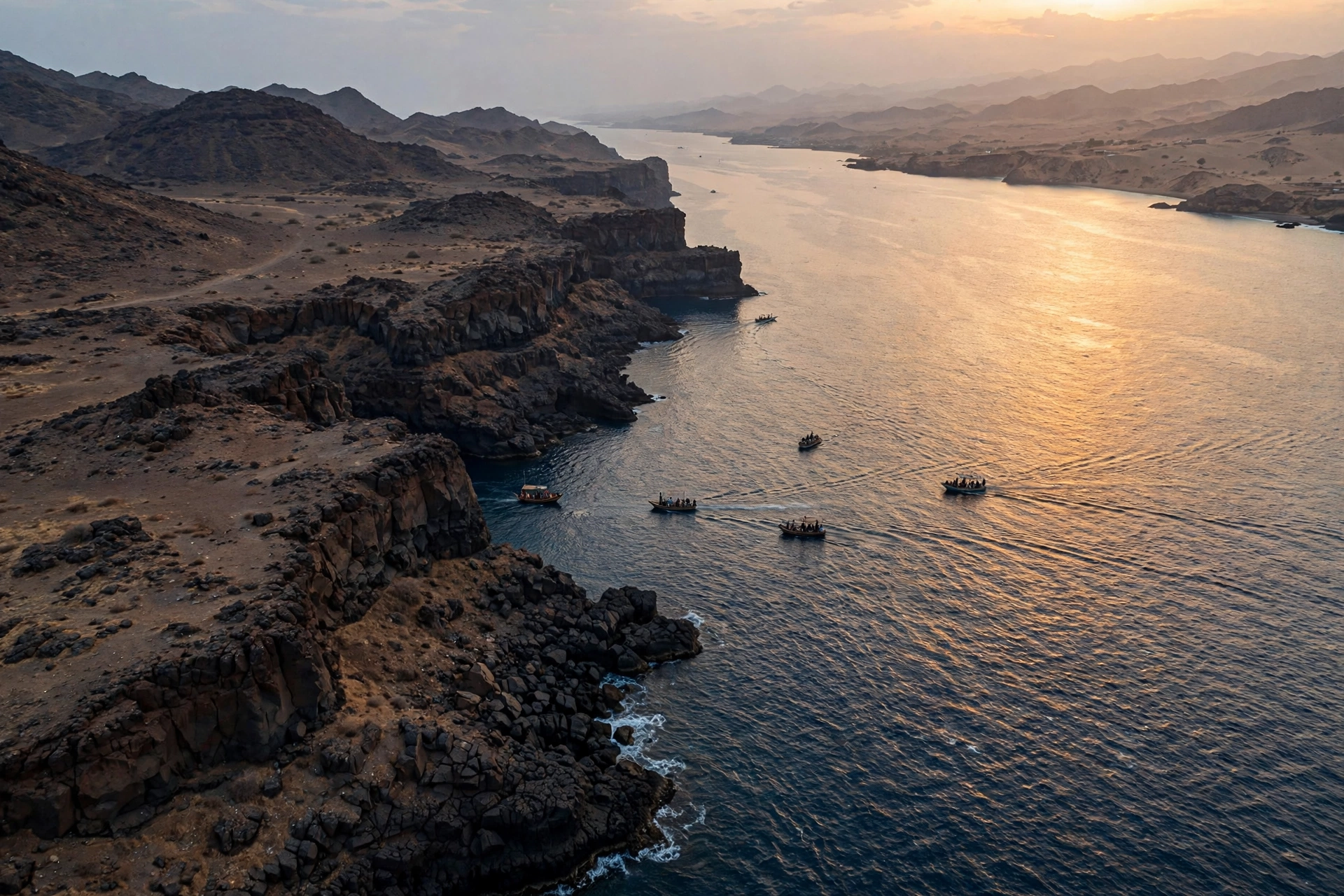
Why Migrants Keep Risking This Crossing
It defies logic at first glance: Yemen is itself in crisis. The IOM says displacement figures from the fighting there have surged to 200,000 from 76,000 in mid-September. More than 3,700 people have fled Yemen by sea to Djibouti as of last week — moving in the opposite direction from the doomed boat.
But that’s the cruelest part of this story. People aren’t heading to Yemen because it’s safe; they’re heading there because smugglers sell it as the first leg of a path to jobs in Saudi Arabia and the Gulf. The crossing from Djibouti to Yemen takes only a few hours, and smugglers charge a price that desperate families will pay. “Despite the violence in Yemen, migrants are still making the perilous journeys hoping to make it to the Gulf countries,” the IOM statement said.
So the boats keep launching, night after night. Most make it. Some don’t. And every time one goes down, the sea takes mothers, fathers, children — people with names, families, and plans. Fifteen children died in the Djibouti boat tragedy. Fifteen.
FAQ: The Djibouti Boat Tragedy
How many people died in the Djibouti boat tragedy?
At least 139 migrants have died and 84 are missing after an overcrowded boat carrying around 305 people capsized off Djibouti on the night of October 8–9, 2026, according to the International Organization for Migration. The toll was revised upward from an initial count of 109.
Where exactly did the boat capsize?
The vessel went down near Guhere, north of the port town of Obock in Djibouti, while traveling from Djibouti toward Yemen across the Red Sea. It was on the Eastern Route, the dangerous migration corridor between the Horn of Africa and the Arabian Peninsula.
Who were the victims?
The 82 known survivors are all Ethiopian nationals. The breakdown of the first 109 bodies recovered included 52 men, 42 women, and 15 children (nine girls and six boys). The nationalities of all the dead and missing have not been fully established.
What is the Eastern Route and why is it so deadly?
The Eastern Route is the migration corridor connecting the Horn of Africa to Yemen and onward to the Gulf states. Migrants face overcrowded smuggler boats, shipwrecks, trafficking, and detention. More than 900 people died or went missing on this route in 2025, according to the IOM.
The Bottom Line
The Djibouti boat tragedy is one of the deadliest wrecks on the Eastern Route in recent memory — but the deadliest thing about it might be that it was entirely predictable. Overcrowded boats, nighttime departures, a corridor where 900 people vanished last year: this was not a freak accident. It was the latest bill coming due on a system that treats desperate people as cargo.
The 139 dead deserve more than a number in a news cycle. They deserve the honest accounting of how they ended up on a doomed boat in the dark — and real pressure on the conditions that keep launching these boats, night after night. Until that happens, the sandals on that shoreline won’t be the last of their kind.
Pingback: Six Flags Over Georgia Roller Coaster Death: What Happened on Goliath, and Why 9 Rides Are Now Closed - Storion News