
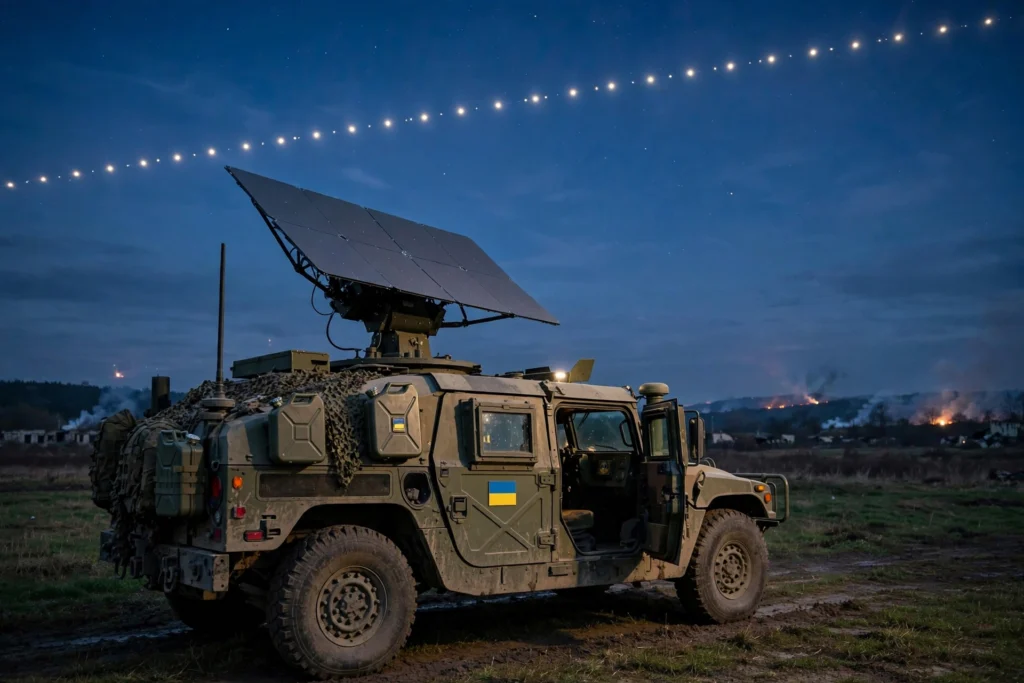
Musk Blames Trump for Ukraine’s Starshield Restrictions: “Any Limits Are Decided by the US Military”
Imagine running a war effort and waking up to find your internet has quietly been switched down a gear — overnight, with no warning. That’s what happened to Ukraine this week, when its battlefield satellite connections were suddenly throttled. And when Kyiv pointed the finger at Elon Musk, the SpaceX founder pointed it right back — at the White House.
Writing on X on Wednesday, October 14, Musk said that the United States government — and ultimately President Donald Trump — is responsible for any curbs on Ukraine’s military-grade Starshield network. “Starshield systems are owned and controlled by the U.S. government. Any limits on speed or usage are decided by the US military and ultimately POTUS,” he wrote.
It was a striking deflection, and it landed in the middle of an already tense standoff between Kyiv and Washington. So what exactly happened, and why does it matter this much?
What happened: speed limits appear overnight
The trouble began when Serhii Beskrestnov, an adviser to Ukrainian President Volodymyr Zelenskyy on defense technology, revealed that SpaceX had quietly implemented a speed limit on Starlink terminals in motion — roughly 100 miles per hour (160 km/h) — without notifying Ukraine’s defense forces. According to reporting by CNBC, the same restrictions applied to Starshield, the hardened military version of the network.
The practical effect was immediate. Weapons systems and drone units operating faster than the cap lost reliable connectivity. Beskrestnov said the change disrupted some military missions, calling the action suspicious given the political moment. Ukraine’s drone forces depend heavily on satellite links: Starlink terminals are used to operate interceptor drones, which Beskrestnov has described as the “most effective solution” against Russia’s Shahed attack drones.
The throttling also arrived at the worst possible time. Ukraine is under fresh Russian strikes on its energy infrastructure, and even civilian and defensive operations were feeling the squeeze.
Musk draws a line between Starshield and Starlink
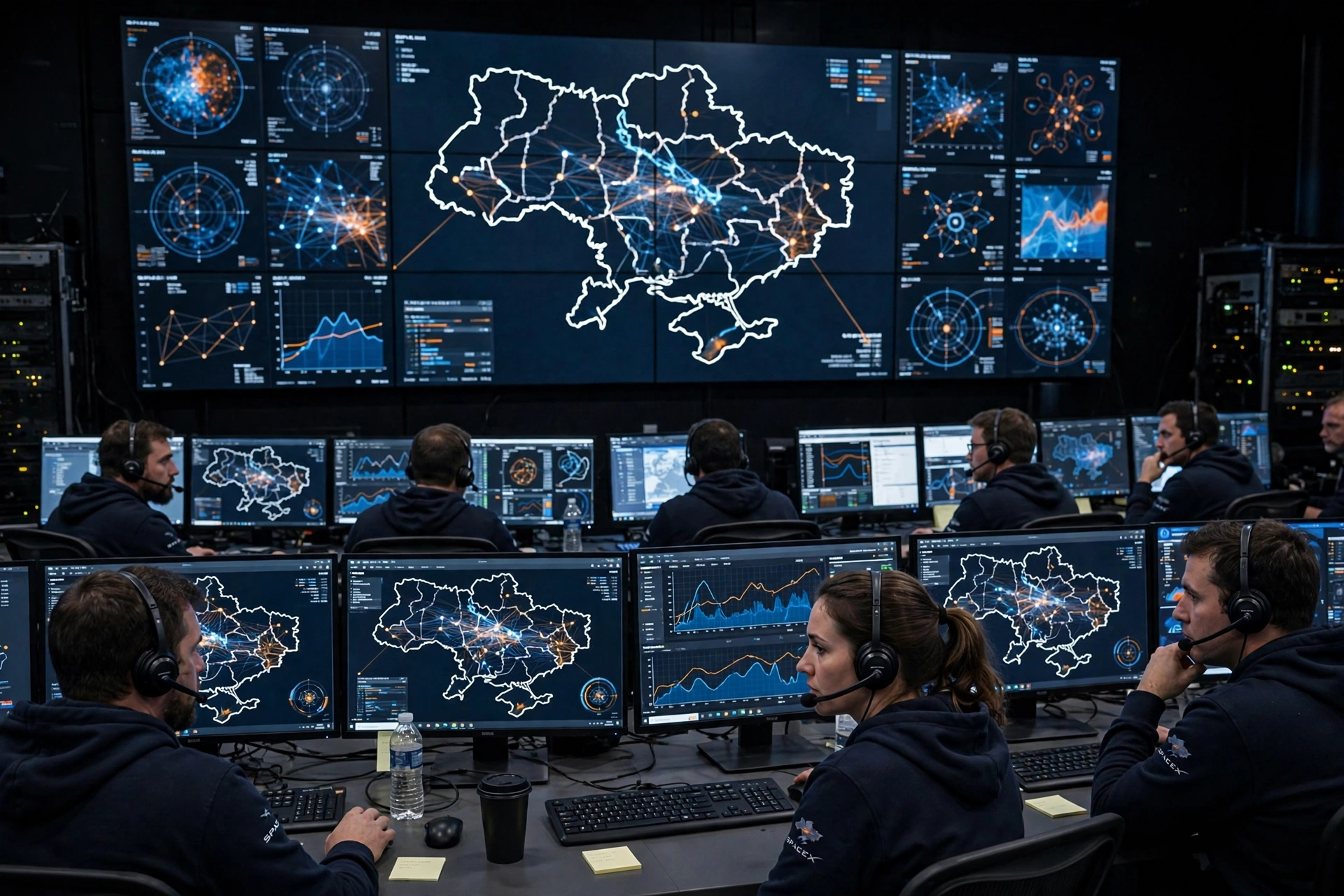
Musk’s response on X did two things at once. First, it denied that SpaceX unilaterally imposed the curbs. Second, it drew a sharp distinction between the two networks: Starshield, he said, is a military communications system “owned and controlled by the US government” for national security purposes — while Starlink is a commercial service owned and controlled by SpaceX itself.
On Starlink, Musk drew his own red line: “Usage of Starlink is limited to civilian or defensive activities and cannot be used for offensive military action, as doing so would be inappropriate for a commercial company.” That position echoes a long-running tension — SpaceX’s technology is woven into Ukraine’s defense, yet Musk has repeatedly insisted the company is not a weapons provider.
Not everyone in Kyiv is convinced the throttling is purely a military technicality. Poland’s foreign minister Radoslaw Sikorski, whose government helps fund Ukraine’s Starlink service, publicly pressed Musk on whether he was playing politics with his products again. And the restrictions appear to have been partially lifted: former Ukrainian defense minister Mykhailo Fedorov thanked Musk early Thursday for restoring Starlink connectivity at speeds of up to 160 km/h — while warning that “removing Starshield’s speed limit entirely is now critical for Ukraine’s defense.”
The bigger fight behind the throttling
To understand why this blew up so fast, you have to look at the week Kyiv and Washington just had. Days before the restrictions appeared, Trump announced what he called an energy ceasefire between Ukraine and Russia — a pause on strikes against energy infrastructure. Ukraine said it would honor such a deal if Moscow did the same, while Russia stopped short of confirming an agreement.
Then the signals turned sour. On Monday, Zelenskyy accused Russia of breaching the ceasefire. On the same day the Starshield restrictions hit, Zelenskyy said Ukraine had not received its usual advance warning from Western partners about Russian ballistic missiles fired at Kyiv. And just days earlier, Trump had said it was time for Ukraine to “get a new president” after Ukrainian strikes on Russian oil refineries — telling reporters Zelenskyy had better stop.
Against that backdrop, an overnight, unexplained throttle on Ukraine’s military internet looked, to Kyiv, like more than a coincidence. Whether the order came from the Pentagon, the White House, or SpaceX itself remains unconfirmed — and Musk’s statement notably did not say who ordered this particular restriction.
Why a satellite speed cap is a battlefield weapon
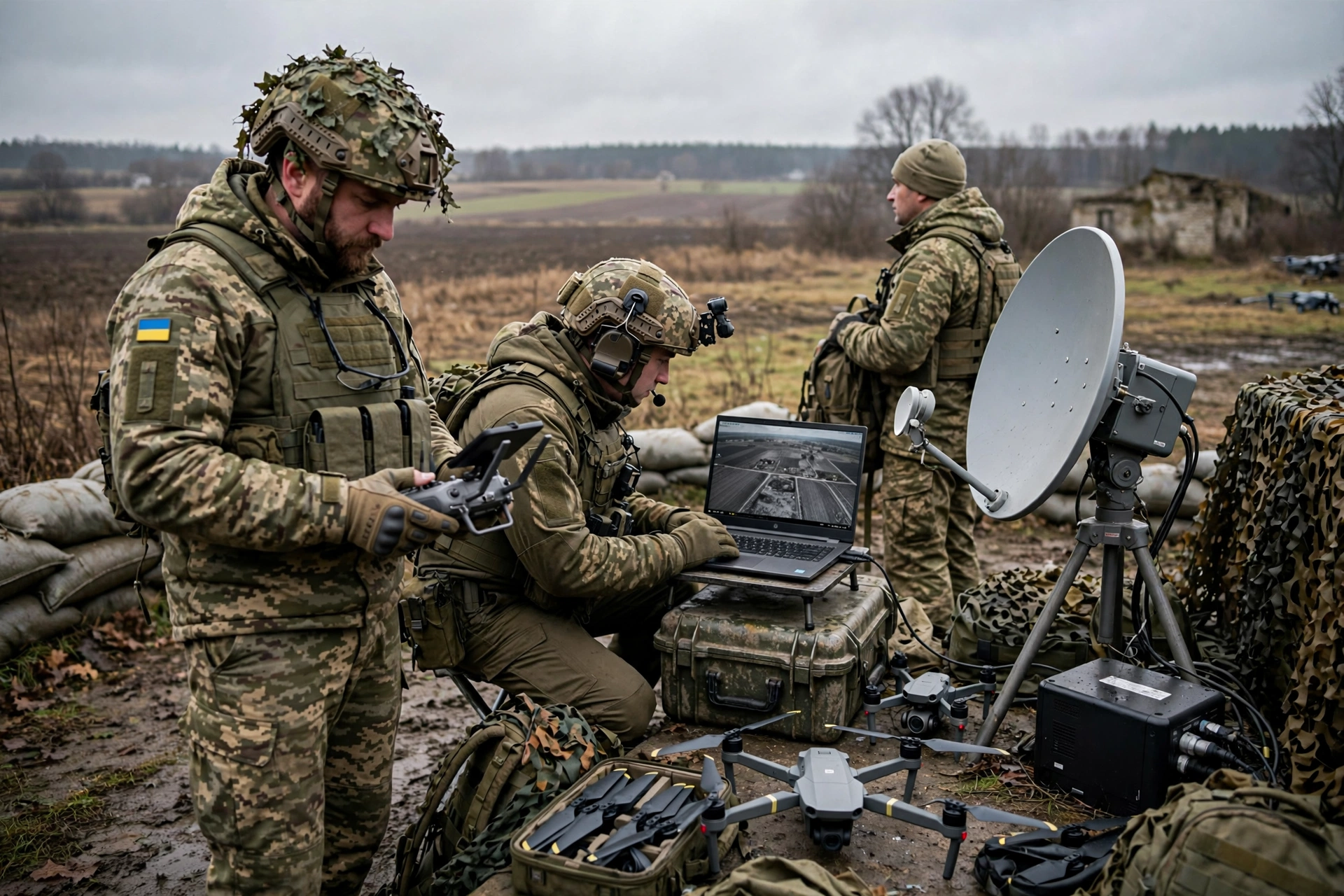
If you’re wondering why a speed limit on internet terminals matters in a war, here’s the short version: Ukraine’s military runs on connectivity. Drones — including the interceptor drones that hunt Russian Shaheds — need stable satellite links to stay controllable, especially when operating at speed. Drop the connection at 160 km/h and the mission ends; worse, slower drones become easier targets for air defenses.
This is also the latest chapter in SpaceX’s complicated role in the conflict. The company’s expanding satellite footprint has made Starlink and Starshield infrastructure as strategically important as any weapons system — and that makes the question of who controls the “off switch” genuinely existential for Ukraine’s defense planners.
Frequently asked questions
What is Starshield?
Starshield is a military-grade satellite communications network built by SpaceX for the US government and national security purposes. It is separate from Starlink, the commercial satellite internet service. According to Musk, Starshield systems are owned and controlled by the US government, not SpaceX.
Did Elon Musk admit to throttling Ukraine’s internet?
No. Musk said any limits on Starshield speed or usage “are decided by the US military and ultimately POTUS” — pointing responsibility at President Trump and the Pentagon rather than SpaceX. He did not say who ordered the specific October 14 restrictions.
How did the restrictions affect Ukraine?
Ukraine reported speed limits of about 160 km/h on terminals in motion, causing connection drops that disrupted drone missions — including the interceptor drones used against Russian Shahed drones. Former defense minister Mykhailo Fedorov said Starlink speeds up to 160 km/h were later restored but called for Starshield’s speed limit to be removed entirely.
Why did this happen now?
The throttling arrived during a tense moment between Kyiv and Washington over Trump’s proposed energy ceasefire, Zelenskyy’s accusations of ceasefire breaches, and Trump’s public criticism of Ukrainian strikes on Russian refineries. Kyiv has not ruled out that the timing is political; Musk has framed it as a government decision.
The bottom line
Whoever gave the order, the episode has exposed an uncomfortable truth: Ukraine’s war effort depends on a communications backbone it does not control — one that answers, by its owner’s own account, to the US president. Musk’s statement buys SpaceX distance from the controversy, but it replaces one question with a bigger one: if a single restriction order can ripple through a war zone overnight, what happens the next time Washington and Kyiv disagree?
For now, Kyiv is watching the sky — and its signal bars — very closely.
Pingback: Tesla Unveils Flying Roadster With SpaceX Thrusters: 0–60 in 0.59 Seconds, Production Starts 2028 - Storion News