
Haiti Gangs Attack Leaves 4 Salvadoran Soldiers Missing in First Major Ambush on International Force
The Day the Gangs Struck Back
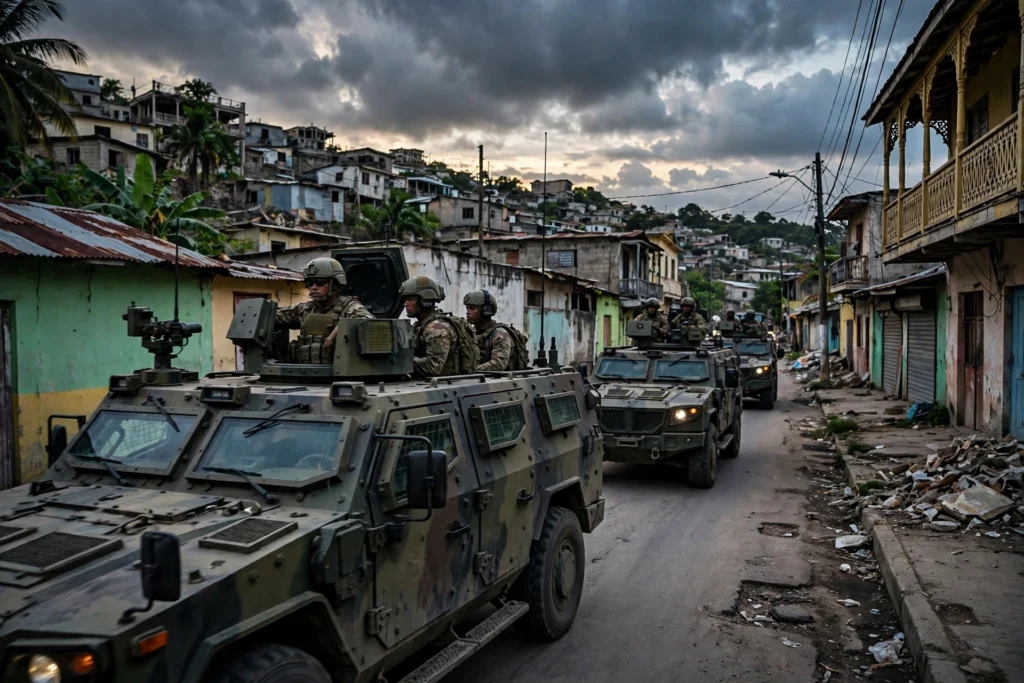
Sunday started like any other patrol day. Four Salvadoran aviation technicians were riding back to camp in an armored vehicle through Croix-des-Bouquets, a community just north of Port-au-Prince. Then the explosives hit — and within minutes the vehicle was burning, the four men had fled into gang-controlled streets, and Haiti’s brand-new international security force was staring down its first real crisis.
As of Monday, the four soldiers were still unaccounted for. Rescue helicopters sent to find them came under fire. Land convoys couldn’t get through. And the gangs that run most of Haiti’s capital had just delivered a message the whole world heard: we can hit back.
This is the story of the Haiti gangs attack on Salvadoran soldiers — the first major assault on the United Nations-backed Gang Suppression Force since it began operating earlier this year — and why the next few days could decide whether the international mission holds or breaks.
The Haiti Gangs Attack on Salvadoran Soldiers: What Happened on Sunday
The attack happened on Sunday, October 18, in Croix-des-Bouquets, a once-peaceful community in Haiti’s capital region that is now controlled by violent gangs. According to a statement released Monday by the Armed Forces of El Salvador, the four aviation technicians were returning to camp when their armored vehicle was attacked with explosives and set on fire.
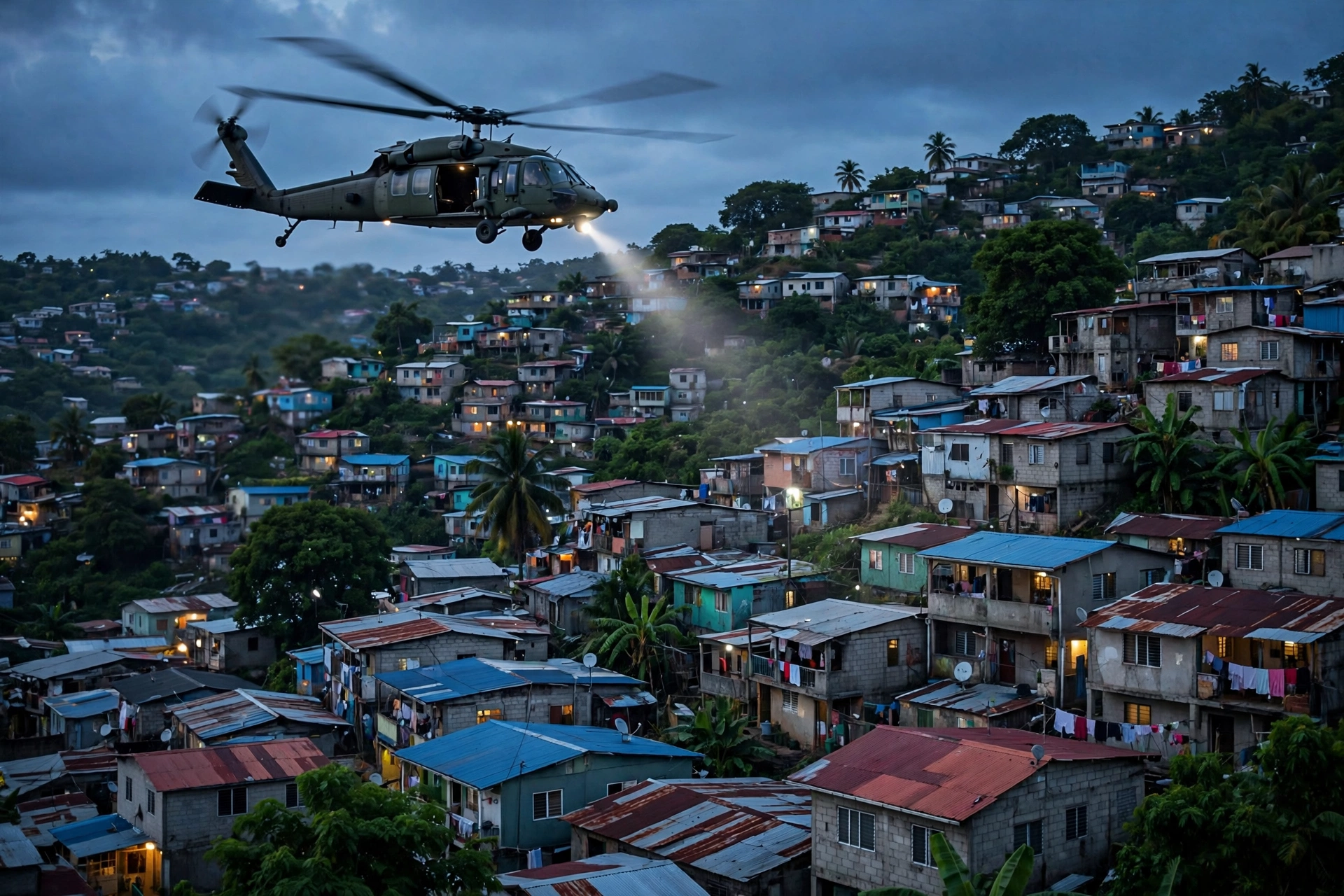
The military said the four men managed to flee the burning vehicle. After that, contact was lost — and the search to re-establish it has been anything but simple. Salvadoran authorities confirmed that helicopters dispatched to the area also came under fire as they tried to reach the soldiers, and repeated attempts to get in by land and air were beaten back by the intensity of the fighting. That tells you everything about how dangerous the ground situation is right now.
Why This Attack Changes Everything
To understand why Sunday matters so much, you need to know what came before it. The Gang Suppression Force (GSF) was authorized by the UN Security Council in September 2025 to replace a former Kenya-led multinational force that struggled with funding and resources as it tried to help Haiti’s National Police fight gang violence. The new force officially began operations on June 1 — but until Sunday, it had never faced a direct, major attack.
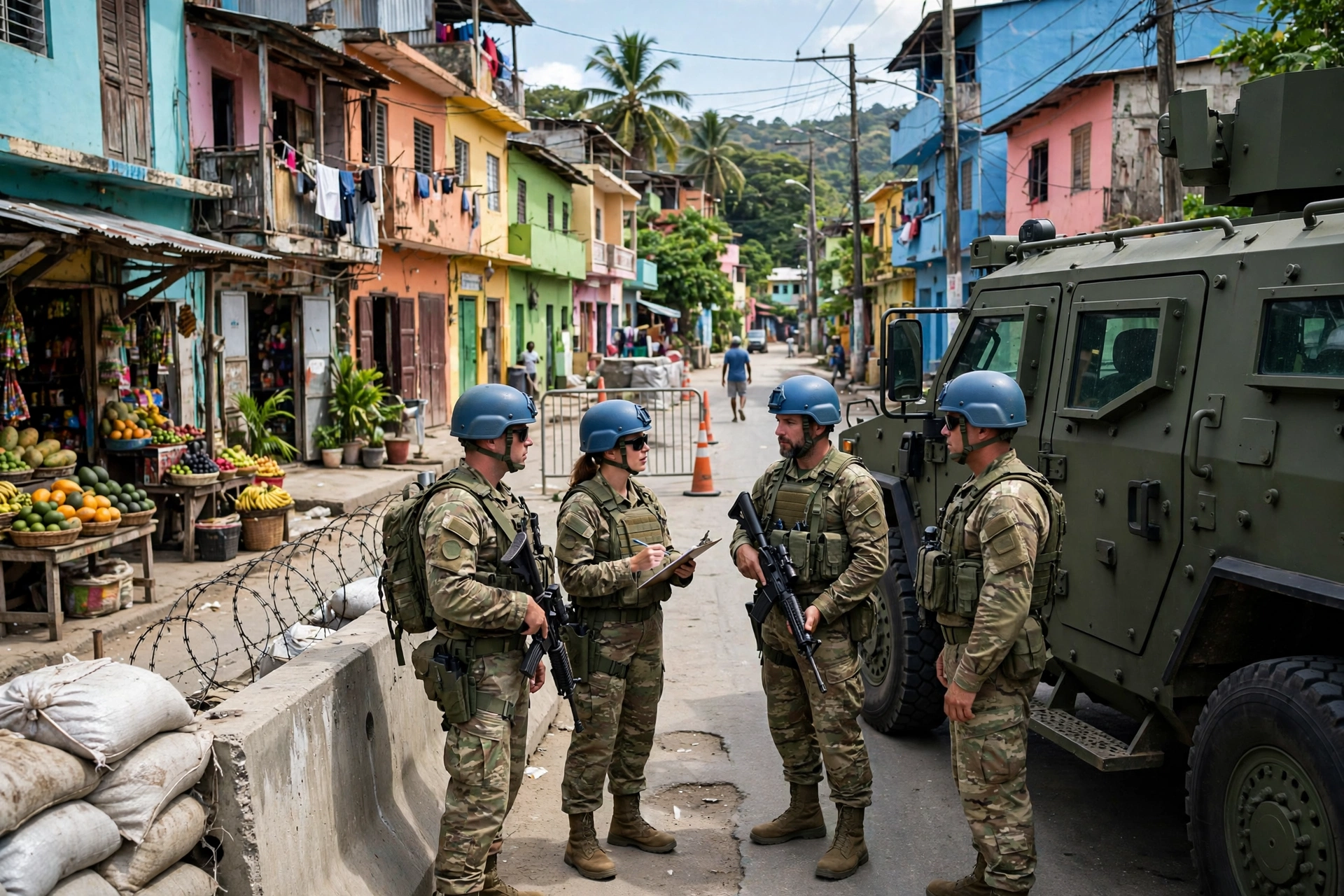
The restraint is over. The GSF confirmed the ambush and advised residents of the area to remain indoors while it assesses the situation — the kind of advisory that tells you commanders are bracing for more. The force currently has more than 1,500 troops on the ground, contributed by Chad, Jamaica, Guatemala, and El Salvador, and is expected to reach full operational capacity by year’s end. Sunday’s attack was, in effect, a stress test of the entire mission — administered by the gangs, on their home turf.
The Gangs Behind the Ambush
The area where the armored vehicle was struck is controlled by some of Haiti’s most notorious armed groups, including Kraze Barye, led by Vitelhomme Innocent, and 400 Mawozo, led by Lanmo Sanjou. Both leaders are under United Nations and U.S. sanctions. No group has claimed responsibility for the attack.
Romain Le Cour, an analyst with the Global Initiative Against Transnational Organized Crime, told reporters that some gangs have been under pressure since the international force deployed — and others now want to prove they can strike back. His warning was blunt: if the soldiers are being held, the gangs gain leverage to negotiate and pressure the security forces. In other words, the four missing men could become bargaining chips.
The scale of gang power in Haiti is hard to overstate. Armed groups now control an estimated 70 percent of the capital, and the UN reports gang violence has displaced nearly 1.5 million people and caused more than 5,700 casualties since January, with over 230 kidnappings. These aren’t street gangs in the usual sense — they’re heavily armed organizations, and as Haiti’s deputy UN representative Wien-Weibert Arthus told the Security Council on Monday, their weapons and ammunition aren’t manufactured in Haiti. The guns are imported, the violence is local, and the state is outgunned.
A Region Already on Edge
The ambush lands in the middle of an already tense month for security across the wider Caribbean. Washington has been running a highly visible military pressure campaign against Venezuela — American bombers have twice flown near Venezuela’s coast in recent weeks, transponders on, in a deliberate show of force against Nicolás Maduro’s government. And just this week, Florida’s attorney general issued an arrest warrant for former Cuban leader Raúl Castro over the 1996 shootdown of U.S. civilian planes. Haiti’s crisis isn’t happening in isolation; it’s part of a region where the security temperature keeps rising.
The World Reacts: “We Will Bring You Home”
The UN Security Council met on Monday to discuss Haiti, and the attack dominated the conversation. The U.S. ambassador to the UN, Mike Waltz, said the gangs had hit the armored vehicle with “hundreds of bullets and explosives” — then addressed the missing men directly: “We believe the four men survived, but they do remain unaccounted for. We will bring you home.” His warning to the gangs: intimidate this coalition and “you have made a terrible mistake.”
Jack Christofides, the special representative of the gang suppression force, acknowledged that gangs are testing the force’s capabilities — but pointed to early signs of reduced gang control in certain areas. The question now is whether Sunday’s ambush is an outlier or the start of a pattern. With Haiti preparing for its first general election in more than a decade, an international force that looks helpless doesn’t inspire confidence in a vote anyone can trust.
What Happens Next
The immediate priority is the four Salvadoran soldiers. Every hour they remain unaccounted for raises the stakes — for their families, for El Salvador’s military, and for the credibility of the entire international mission. If they are found safe, the force can claim it weathered its first major test. If they were captured, the gangs suddenly hold cards no one wants them to have.
The deeper question is strategic. The Gang Suppression Force was built on the lesson of its failed predecessor: more troops, better funding, clearer mandate. But Sunday proved the gangs aren’t waiting to see if the new model works. Watch what the force does in the next 72 hours — a forceful response could reestablish deterrence, while hesitation could invite the next ambush.
Frequently Asked Questions
Who are the four missing soldiers?
They are aviation technicians serving with El Salvador’s Armed Forces, part of the country’s contribution to the UN-backed Gang Suppression Force in Haiti. According to El Salvador’s military, they were returning to camp in Croix-des-Bouquets on Sunday, October 18, when their armored vehicle was attacked with explosives and set ablaze. They fled the burning vehicle, and contact has not been re-established.
What is the Gang Suppression Force?
The GSF is a UN Security Council-authorized international mission that began operations on June 1, replacing a previous Kenya-led multinational force that struggled with funding and resources. It currently fields more than 1,500 troops from countries including Chad, Jamaica, Guatemala, and El Salvador, and is expected to reach full operational capacity by the end of the year. Its mandate is to help Haiti’s National Police suppress gang violence.
Which gangs are suspected in the attack?
The ambush took place in an area controlled by groups including Kraze Barye, led by Vitelhomme Innocent, and 400 Mawozo, led by Lanmo Sanjou — both leaders are under UN and U.S. sanctions. No group has claimed responsibility. Analysts say the gangs may be trying to demonstrate they can strike back at the international force, and could use captured soldiers as negotiating leverage.
What happens next in Haiti?
The immediate focus is locating the four soldiers, with search efforts continuing despite heavy fighting. The UN Security Council has taken up the crisis, and the force’s response in the coming days will test its credibility. Longer term, Haiti is preparing for its first general election in over a decade — and whether the international force can secure the country enough for a credible vote is now an open question.
The Bottom Line
Sunday’s ambush was the moment Haiti’s gangs stopped watching the new international force and started fighting it. Four Salvadoran soldiers are missing, rescue teams are taking fire, and the mission that was supposed to stabilize the country is suddenly fighting for its own credibility. The gangs wanted to send a message — and the world heard it. Now the question is what the world does next.