
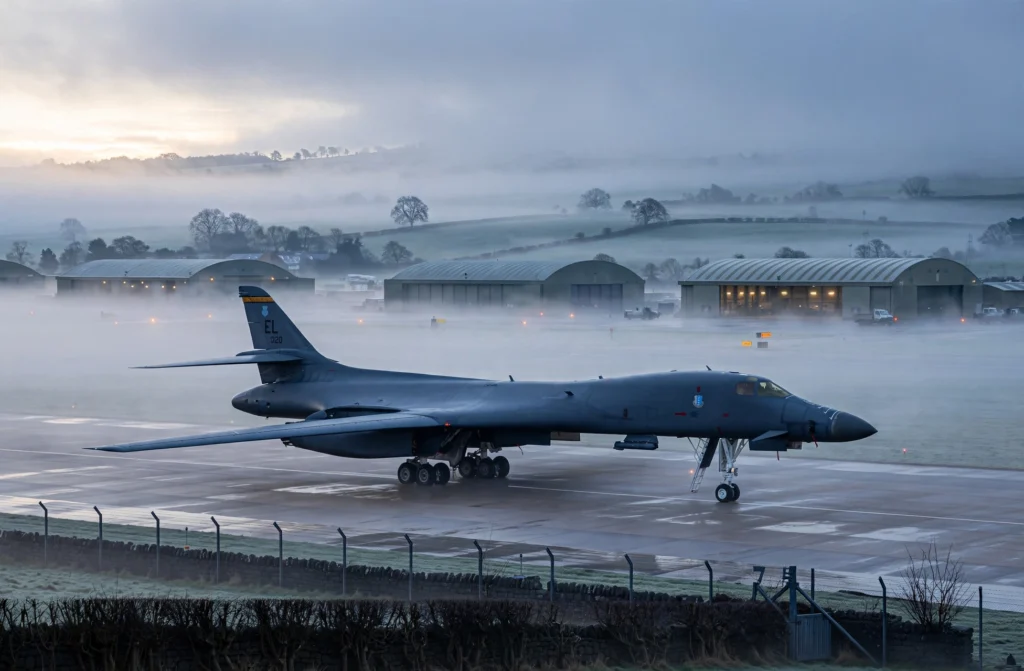
US Pulls B-1 Bombers From UK Air Base Over Suspected Iranian Plot: What We Know
Imagine waking up to learn that some of the most powerful warplanes on Earth vanished from a British airfield in the middle of the night.
No announcement. No warning to the public. One day, a dozen B-1 bombers were sitting on the tarmac at RAF Fairford in the English countryside — and the next, they were gone. By the time US President Donald Trump confirmed it, every single one had already flown back across the Atlantic to its home base in America.
So why did the United States suddenly pull its bombers out of Britain? According to Trump, the answer is as dramatic as it is worrying: the planes were moved because of a suspected Iranian terror plot.
What Actually Happened at RAF Fairford
Here is what we know. The US Air Force had stationed 12 B-1 Lancer bombers at RAF Fairford, an airbase in Gloucestershire roughly 90 miles west of London. Fairford is the preferred European staging ground for American heavy bombers, and these particular aircraft had recently been used in US strikes on Iran.
Then, in the span of roughly 24 hours, they all left.
The Wall Street Journal first reported the withdrawal, and The New York Times followed with details: US commanders ordered the move after receiving fresh intelligence that built on earlier warnings of a possible Iranian plot against the aircraft and the several hundred American personnel stationed at the base. The concern, according to the Journal’s reporting, centered on a possible drone strike ordered by Iran’s Islamic Revolutionary Guard Corps — part of a broader scheme targeting the bombers and the airmen who fly them.
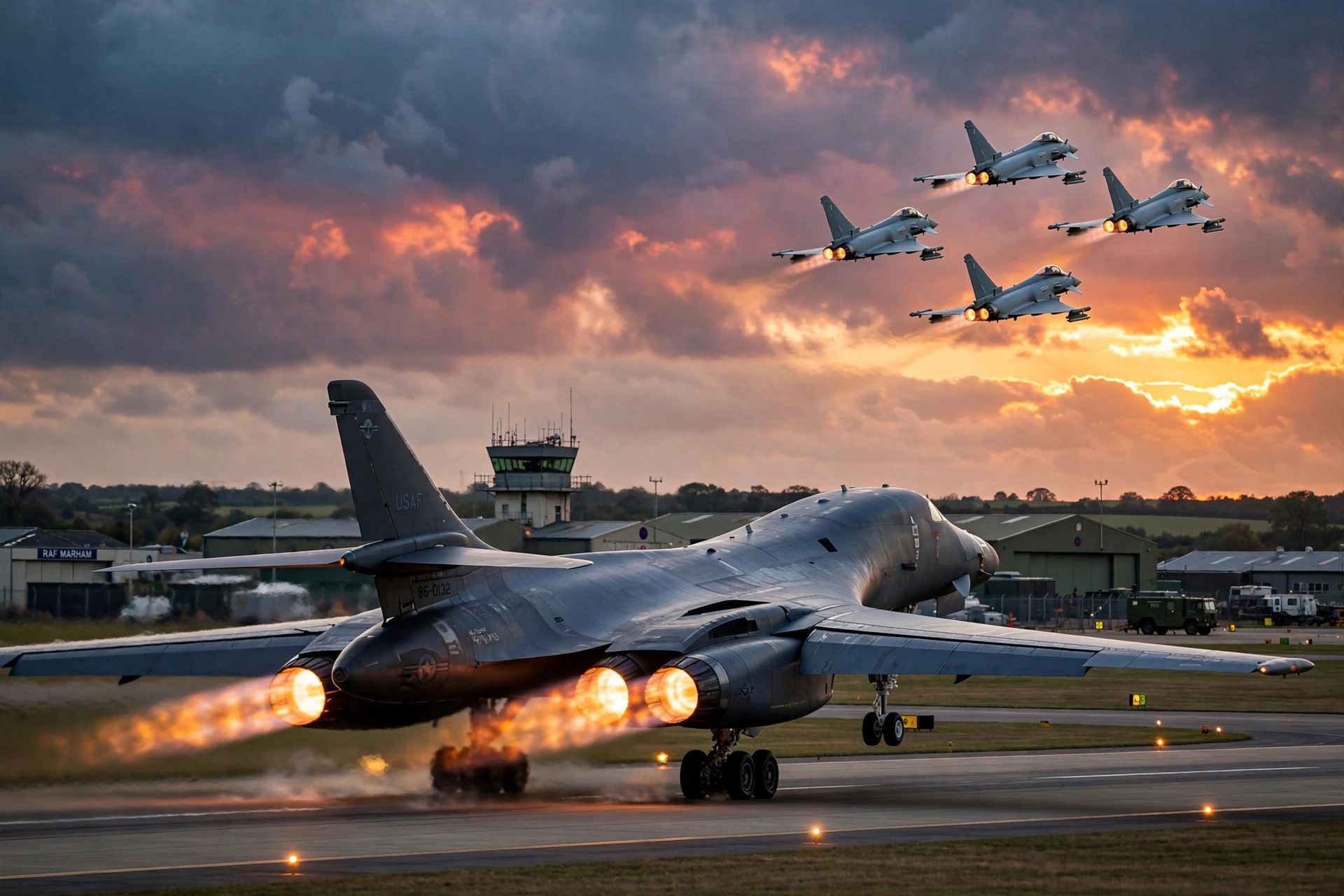
The Pentagon later confirmed that every bomber had returned to its home station in the United States, while stressing that bomber crews remain ready to fly global strike missions from American soil.
“They Didn’t Fly Out by Accident”: Trump Confirms the Threat
On October 5, President Trump told reporters that threats drove the decision — and he did not hide his suspicions about who was behind them.
“Yeah, I think we can say that. They didn’t fly out by accident,” Trump said. “There were some threats. And rather than tempting the enemy, we’ll capture the enemy and beat the enemy.”
He added that Washington “actually knows the people that made the threat” but did not identify them. Asked whether the threat was linked to Iran, Trump’s answer was blunt: “They would be linked to Iran.”
Vice President JD Vance echoed the caution-first message, telling reporters the aircraft were moved “out of an abundance of caution trying to protect our guys.” But Vance went further, pointing directly at Tehran: “We do feel with some confidence that the Iranians are trying to do what the Iranian state has done for 49 years, which is engage in acts of terrorism against the United States and against a lot of other people as well.”
Interestingly, not everyone in the administration is telling exactly the same story. Secretary of State Marco Rubio played down any direct connection, saying he “wouldn’t directly tie” the redeployment to the recent security alert, and describing the move as routine reallocation of resources. That gap between Rubio’s calm and Trump’s bluntness has raised eyebrows — and plenty of questions.
The Arrests Near the Base That Started It All
Why the sudden alarm? Rewind a few weeks. On September 27, five British nationals in their mid-20s were arrested near RAF Fairford on suspicion of explosives offences and terrorism. Days later, a sixth man — a dual UK-Iranian national — was detained in London on suspicion of preparing terrorist acts.
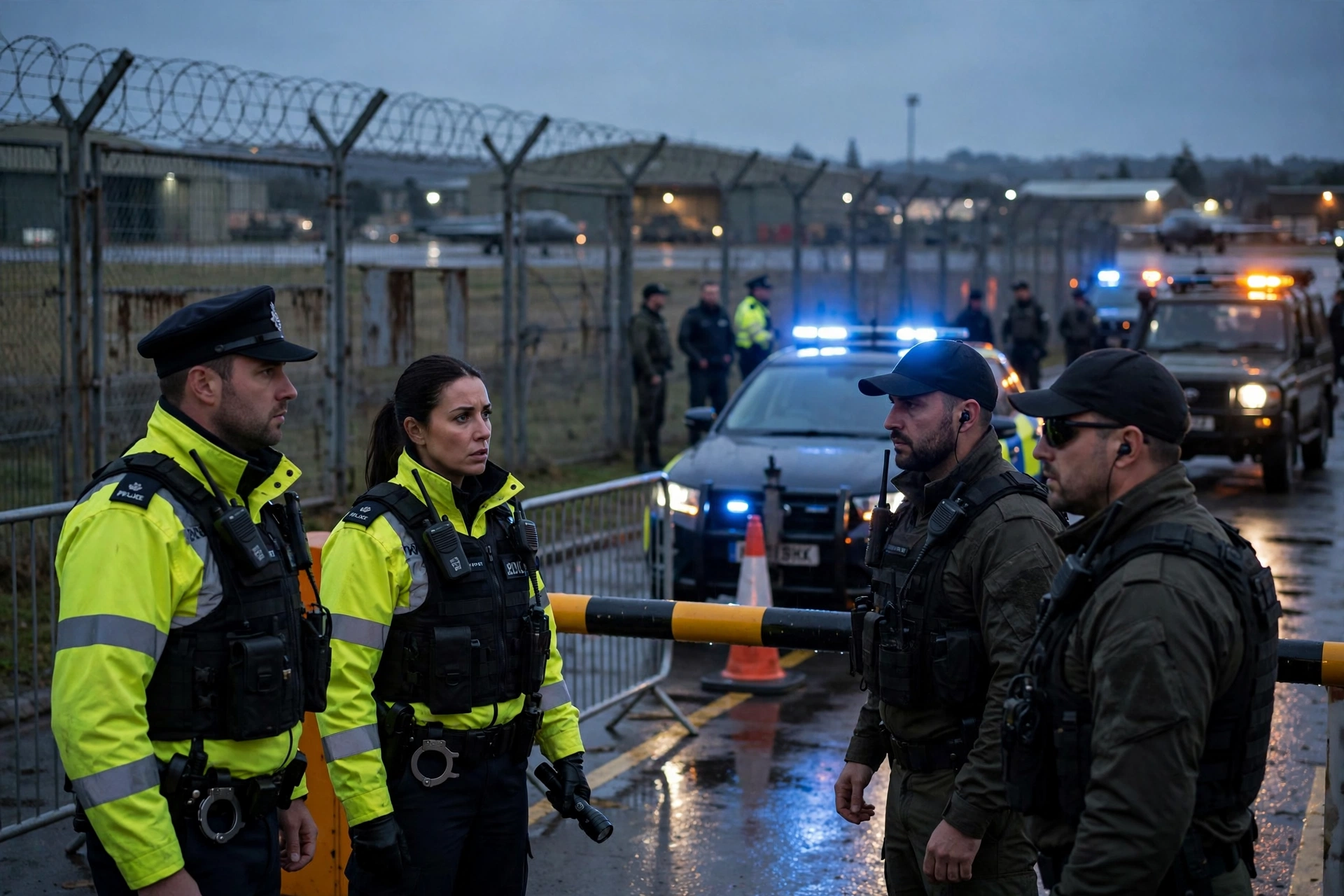
British Prime Minister Andy Burnham said the suspected plot was likely backed by Iran. Iran’s Revolutionary Guards had already, back in late July, declared the base a legitimate target. Iran itself has dismissed the accusations as baseless, with its foreign minister Abbas Araqchi posting on X: “I can confirm Iran’s belief that releasing supposed terrorists working for foreign states really says it all. You’re barking up the wrong tree.”
Here is where things get murky: all six suspects have since been released on bail, and the incident remains largely unexplained. No charges have been filed. Yet the US clearly decided the risk was real enough to empty the base of its most valuable aircraft. The move, according to two US officials who spoke to the Times, happened within about 24 hours of the new intelligence — so fast that some bombers were already airborne while the tanker aircraft needed to refuel them over the Atlantic were still being scrambled into position.
Why This Matters Far Beyond One Airfield
It is tempting to file this under “military reshuffle” and move on. But the bomber withdrawal is really a window into how tense things have become — and how stretched US security thinking now is.
First, consider the timing. The bombers at Fairford had just been used in American strikes on Iran during the war that began in February. Pulling them out of Europe signals that Washington now treats its own overseas bases as potential targets rather than safe launchpads. A senior NATO military official said the move would not affect the alliance’s capabilities, insisting that “NATO’s defensive agility towards any aggression remains unchanged and unmatched” — but the fact that reassurance was needed says a lot.
Second, this is not an isolated incident. According to multiple reports, American forces have quietly withdrawn from other overseas bases as well amid fears of Iranian retaliation. It fits a pattern we’ve seen elsewhere in recent US foreign policy — Washington acting decisively against perceived threats, including the unprecedented step of sanctioning the International Criminal Court hours after this year’s Nobel Peace Prize announcement. Whether you support these moves or not, they add up to a US administration that is openly recalibrating its footprint abroad.
Third, there is the UK’s awkward position. Fairford is British soil, but the decision to pull the bombers was Washington’s alone. London is left managing the fallout: a bail-heavy terrorism investigation, an Iranian foreign minister mocking the accusations, and an ongoing belief among NATO sources that Iran still poses “an acute threat” to US assets in the UK.
What Comes Next?
For now, the bombers are home, and the airbase is quieter. But none of the big questions have been answered: Was there really an imminent drone plot, or was this a precaution against a vague warning? Who exactly made the threats Trump claims the US has identified? And will the bombers — or their replacements — return to Fairford at all?
What we do know is that the threat environment around US military assets in Europe has shifted. When a dozen strategic bombers can be ordered home in a day because of an intelligence report, that tells you everything about how seriously Washington is taking Iran’s capabilities and intentions right now.
The ball, in many ways, is now in Tehran’s court — and the world will be watching what it does next.
Frequently Asked Questions
Why did the US remove bombers from RAF Fairford?
US officials say the 12 B-1 bombers were withdrawn after intelligence pointed to a suspected Iranian plot — possibly involving drones — targeting the aircraft and US personnel at the base. President Trump confirmed the threat drove the decision, calling it a precautionary move.
What is RAF Fairford?
RAF Fairford is a British airbase in Gloucestershire, about 90 miles west of London. It is the US Air Force’s preferred European base for heavy bombers and has played a key role in past American campaigns in the Middle East. The bombers stationed there had recently been used in US strikes on Iran.
Were the threats linked to Iran?
Trump said the threats were “linked to Iran,” and Vice President Vance expressed confidence about Iranian involvement. However, Secretary of State Marco Rubio declined to directly tie the move to any specific plot, and Iran has denied any involvement, calling the accusations baseless. A NATO source said Iran is still believed to pose an “acute threat” to US assets in the UK.
Is the UK safe for US bases now?
NATO insists its defensive capabilities are unchanged, but the withdrawal itself shows Washington is not taking chances. With several arrests near Fairford in recent weeks and suspects out on bail, British authorities are continuing their investigation.
The Bottom Line
A dozen of America’s most feared bombers quietly disappeared from a British airfield because Washington believed Iran wanted them gone — permanently. Whether the threat was imminent or precautionary, the message is clear: the shadow war between the US and Iran has reached Europe’s doorstep. And if intelligence officials are right, RAF Fairford may not be the last place to feel it.
Pingback: Houthi Missiles Rain on Riyadh Airport: 3 Dead, Airlines Warned as Saudi-Yemen War Spirals - Storion News
Pingback: Pentagon UFO Chief Breaks Silence: New Memoir Claims 80-Year Cover-Up of Non-Human Life - Storion News
Pingback: Trump Says Iran War Will End "Very Soon" as US Weighs "Mother of All Bombs" Strike — Oil Prices to "Drop Like a Rock" - Storion News