
Trump Says Iran War Will End “Very Soon” as US Weighs “Mother of All Bombs” Strike — Oil Prices to “Drop Like a Rock”
“The Iran War Will End Very Soon”
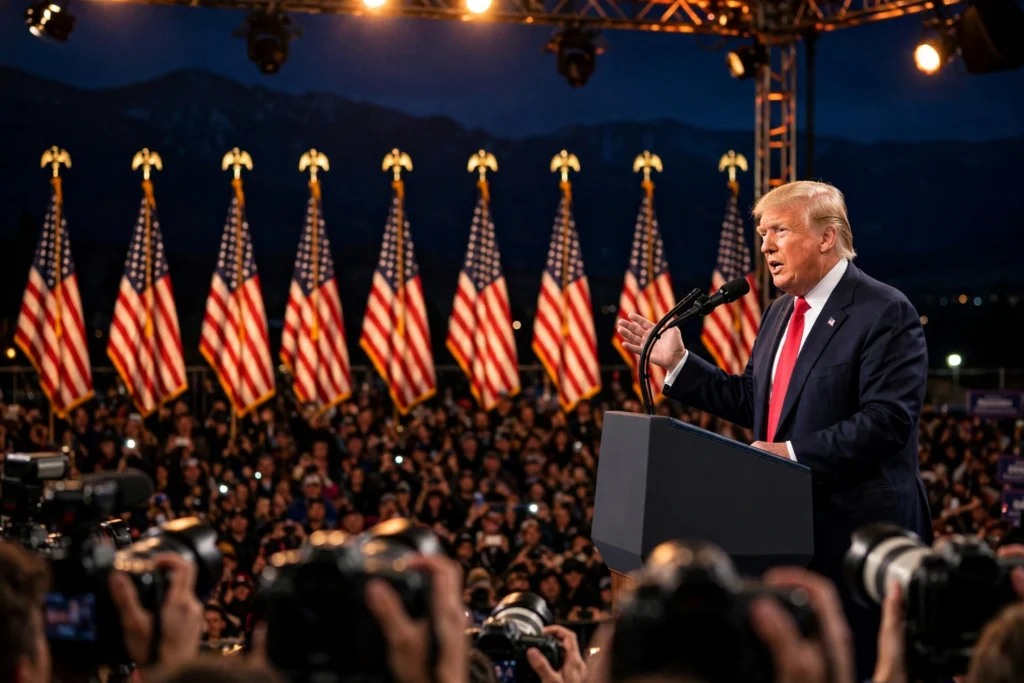
It was the kind of line that makes oil traders sit up at midnight. Standing before reporters in Montana late Wednesday night, with the lights of a campaign rally still warm behind him, Donald Trump looked into the cameras and made a promise about a war most Americans have watched unfold for seven months: “The Iran war will end very soon… soon, as they want it to end.”
And then came the part that really moved markets in the president’s mind. “They’ll never have a nuclear weapon,” he said, “and oil prices will drop like a rock.”
Was it a prediction? A promise? A signal? Honestly, it might be all three. And it landed on the very same day CNN reported that the US military has drawn up plans that could include dropping the GBU-43/B Massive Ordnance Air Blast — the “Mother of All Bombs” — on Iranian nuclear and energy sites if Trump orders renewed strikes. Read on, because this story has layers, and the details matter more than the headline.
What Trump Actually Said in Montana
Let’s stick to what we know, because there’s a lot of noise around this story. Trump was in Kalispell, Montana, on Wednesday for a midterm campaign rally supporting House and Senate candidates. Before taking the stage, he gave an exclusive sit-down interview to NBC Montana — and the interviewer, Phil Howard, asked the question on millions of Americans’ minds: when is the United States getting out of Iran?
Trump’s answer was characteristically sweeping. He agreed with a Montana candidate who had said to “get it done with or don’t do it at all.” Then he went further: “We’re going to have that war done very quickly, and oil will be coming down, and they will never have a nuclear weapon. It was all about the nuclear weapon, they will never have a nuclear weapon,” NBC Montana reported.
Speaking to reporters afterward, he tied the war directly to the cost of living. “We inherited the worst inflation… and we have that down, very down low, but it’s going to come down even lower once we finish the war,” he said.
A few days earlier, at a rally in Bullhead City, Arizona, Trump gave his most detailed public account yet of the American military campaign, claiming US strikes had destroyed Iran’s naval fleet — “exactly 159 ships,” he said — and its entire fighter jet inventory. He also made a startling admission about diplomacy: “They don’t have a navy. They don’t have an air force. Their army is decimated. Their leaders are gone… I should have probably left their leaders because I don’t know who the hell we’re negotiating with.”
Those figures are Trump’s claims, not independently verified Pentagon figures. But the line about not knowing who to negotiate with is telling. It suggests a war whose battlefield outcomes may be outpacing its diplomatic endgame — which is precisely why the next part of this story matters so much.
The MOAB Option: What CNN Is Reporting
Here’s where the story gets heavier. On Thursday, CNN reported, citing US officials familiar with the discussions, that the United States has developed military plans that could include using the GBU-43/B — the largest non-nuclear bomb in the American arsenal — against Iranian energy infrastructure and nuclear sites, if Trump orders renewed strikes.
Here’s the critical nuance: US officials themselves reportedly questioned whether such a strike would actually achieve Washington’s strategic goals, and Reuters said it could not immediately verify the CNN report.
So we have two stories running in parallel: a president publicly predicting the war ends “very soon,” and a Pentagon reportedly holding a dramatically escalatory option on the table. Those two things can be consistent — the threat of escalation has always been part of coercive diplomacy — but they paint very different pictures of what the next few weeks might look like.
Why Oil Prices Are the Whole Story
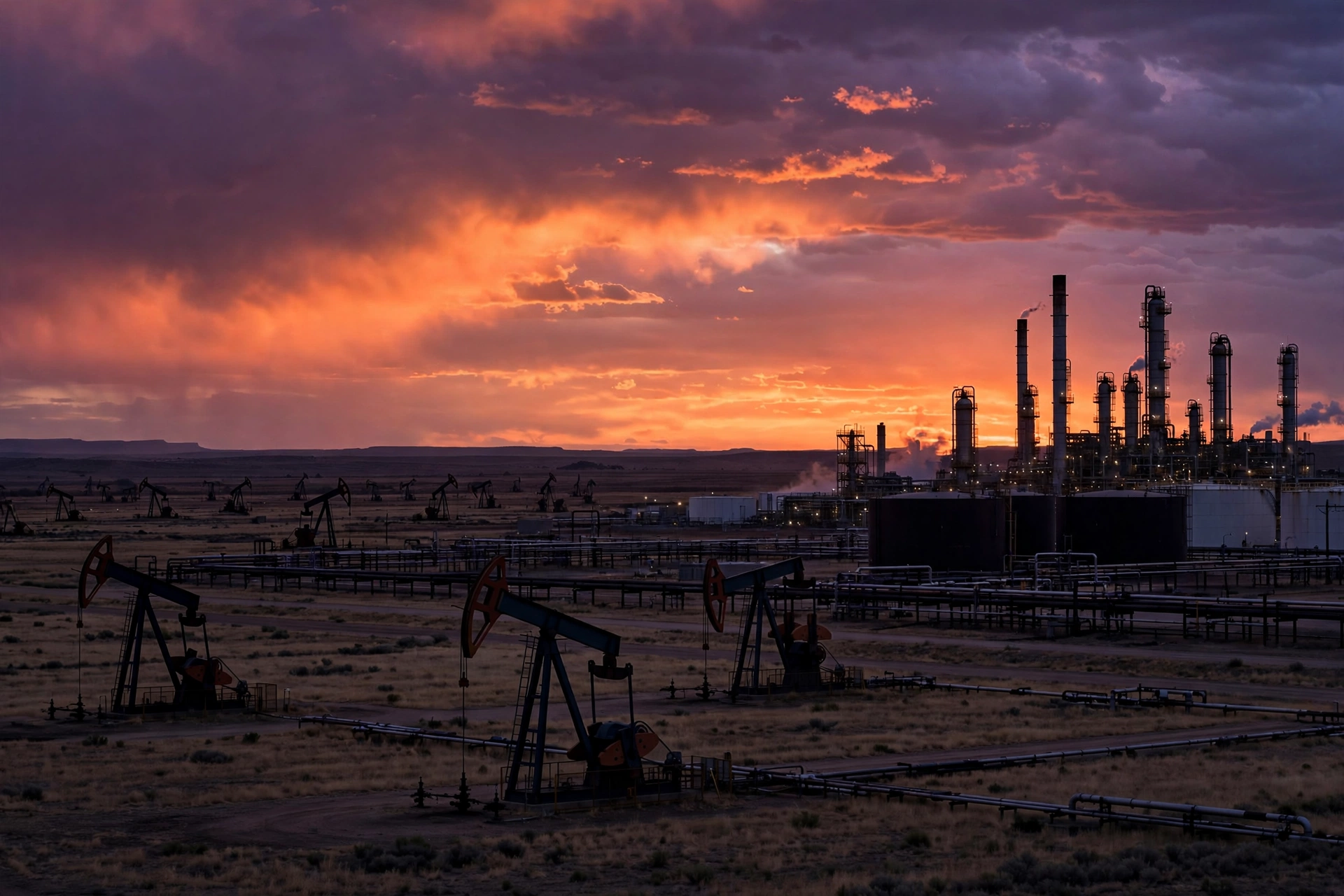
Why does Trump keep coming back to oil prices? Because for the average American family, this war isn’t abstract — it’s the number on the gas station sign. The conflict, which began on February 28 according to regional reporting, has squeezed one of the world’s most important energy arteries: the Strait of Hormuz, through which roughly one-fifth of global oil and liquefied natural gas trade flowed before the war.
The waterway has become a danger zone. Maritime officials report that the Singapore-flagged container ship GFS Pride sank after sustaining damage and catching fire near the strait — all 21 crew members were safely evacuated — while the Antigua and Barbuda-flagged vessel Cape Dao went down after a projectile strike in September, killing one crew member.
Trump’s logic, as stated: end the war, reopen the strait, and “oil prices will drop like a rock.” It’s a clean, voter-friendly equation. The open question is whether the war’s end really is as imminent as he says — or whether the MOAB plans suggest a final, dramatic escalation comes first. That tension is also why the administration has been repositioning heavy military assets, including the US decision to pull B-1 bombers from its UK base amid the Iran threat.
The War So Far: Seven Months and Counting

Let’s zoom out. This conflict has now stretched past seven months, and it has reshaped the Middle East’s security map. Trump claims the US has asserted control over the Strait of Hormuz and gutted Iran’s conventional military. His supporters counter that denying Iran a nuclear weapon — which Trump calls the entire point — justifies whatever it takes.
Behind the scenes, the timeline keeps getting pushed into the same window: after the midterms. The Wall Street Journal reported in late September that Trump has privately told aides a resumption of the bombing campaign after the midterm elections is likely, and at an October 2 rally in Mobile, Alabama, he told supporters the war would end “one way or another” — “probably right after the midterms.” That phrasing covers both possible endings: a negotiated settlement, or a decisive military blow.
Meanwhile, the domestic backdrop matters too. September’s inflation data came in hotter than many expected, keeping pressure on the Federal Reserve — a dynamic we explored in our breakdown of the September CPI report and what it means for Fed rate decisions. A sustained drop in oil prices would be genuine relief for households. It would also be a powerful political asset heading into the midterms.
Frequently Asked Questions
Did Trump give a specific date for the end of the Iran war?
No. He said the war will end “very soon” and previously said “probably right after the midterms,” but he has not named a date, outlined terms, or confirmed that negotiations are underway with Tehran. These are predictions and forecasts, not announcements of a deal.
Is the US really planning to use the “Mother of All Bombs” on Iran?
CNN reported, citing US officials, that military plans exist which could include the GBU-43/B against Iranian nuclear and energy sites if Trump orders renewed strikes. Officials reportedly questioned whether it would achieve US goals, and Reuters said it could not immediately verify the report. It is a contingency plan, not an announced operation.
Why does the Strait of Hormuz matter so much for oil prices?
About one-fifth of the world’s oil and LNG trade passed through the strait before the war. Attacks on shipping there have raised insurance costs and forced rerouting, all of which feeds into the prices you see at the pump.
Has Trump said this kind of thing before?
Yes — he has repeatedly predicted a swift end to the conflict, including at an October 2 rally in Alabama. The new elements this time are the Montana specificity about negotiating partners and the same-day CNN reporting on the MOAB contingency plans.
The Bottom Line
Here’s what I’d take away from all of this. Trump is making two claims at once: that the war is nearly over, and that his military has Iran on its knees. The CNN report adds a third, darker variable — that the war’s final chapter might involve America’s most powerful conventional weapon. Whether “very soon” means a peace deal or a final hammer blow is the question nobody in Washington is answering publicly. What we do know: the next few weeks, running straight through the midterms, will decide which version of this story history remembers.
Pingback: 72 Retired Generals Call Pentagon's Plan to Livestream Fort Hood Shooter's Execution 'Barbaric' - Storion News
Pingback: Nobel Peace Prize 2026: The 85-Year-Old Judge Who Took on Tyrants — Navi Pillay's Justice Triumphs - Storion News
Pingback: US Bombers Fly Near Venezuela for the Second Time in a Week as Trump's Pressure on Maduro Boils Over - Storion News