
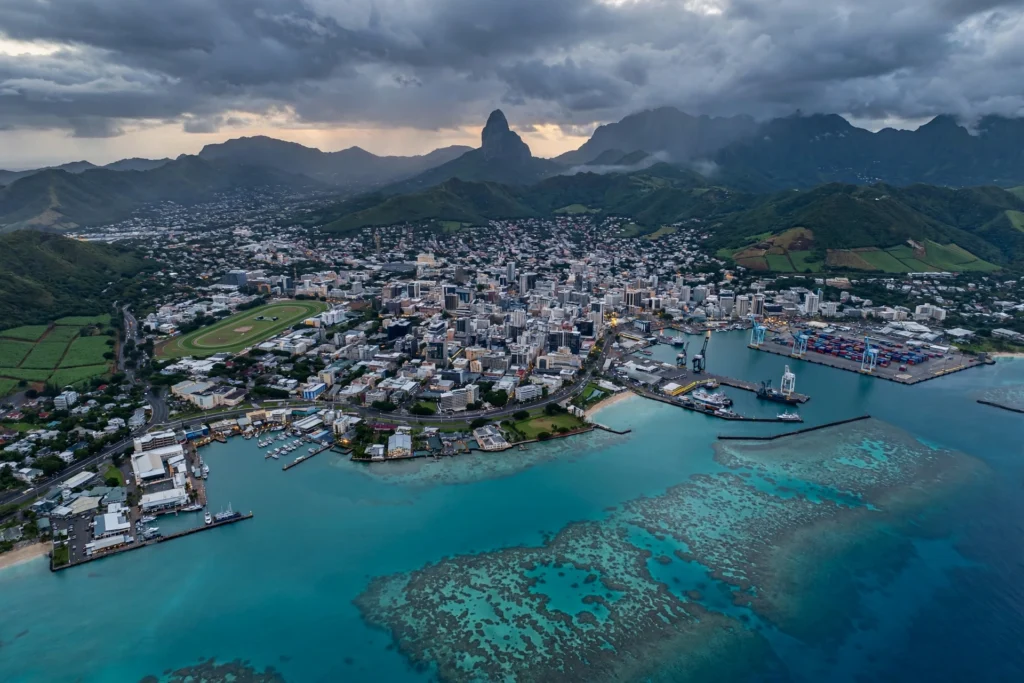
Paradise on Edge: Mauritius Extends Curfew After Worst Riots in Decades
Mauritius is supposed to be paradise. Turquoise lagoons, five-star resorts, an economy investors call the success story of Africa. So what happened this week should be impossible: a nationwide overnight curfew, paramilitary forces on the streets, and burning tyres on roads that tourists were strolling down days earlier.
The Indian Ocean island has imposed — and on Wednesday extended for two more nights — a curfew aimed at quelling what analysts are calling the worst civil unrest in Mauritius since 1999. What began a week ago as peaceful demonstrations over water shortages and the rising cost of living exploded into riots after police shot and wounded a woman at a roadblock on Friday. Now, with around 94 arrests, closed schools, shuttered public transport and the paramilitary Special Mobile Force deployed, the island’s reputation for stability — the very foundation of its tourism and finance industries — is under the harshest stress test in a generation.
A Woman Shot at a Roadblock — and a Nation Erupted
The timeline matters, because it shows how fast a legitimate grievance can detonate when a single spark lands in dry grass.
The protests started quietly. For about a week, residents in parts of the island staged peaceful demonstrations over two things that hit ordinary life directly: water cuts and the cost of living. Then came Friday, October 9. At a roadblock, a police officer opened fire and wounded a 27-year-old woman, Elodie Thomas, who had to undergo surgery to have a bullet removed. The exact circumstances of the shooting are still unclear — and that uncertainty is precisely what lit the fuse.
The officer involved was arrested and remanded in custody; police later said a sergeant had been arrested and three other officers suspended in connection with the incident. But by then the damage was done. Over the weekend, the island witnessed scenes it had not seen in decades: protesters burned tyres and blocked major roads, police stations and other public buildings were vandalised, and clashes with security forces spread across population centres. Schools closed for the week. Public transport ground to a halt. Foreign embassies issued alerts telling their nationals to stay cautious.
On Tuesday, Prime Minister Navin Ramgoolam went on national television and pulled the emergency lever: an overnight curfew for Port Louis and other population centres. His tone was unyielding. Those acting against the country’s interests, he warned, would “have to face the very heavy consequences warranted by their anti-patriotic acts.”
The Curfew Extended — and the Arsenal of Emergency Measures
Despite the curfew, police reported several incidents through Tuesday night and made a string of arrests. By Wednesday morning, authorities said traffic was moving normally across the island and urged residents to resume daily life. But calm on the roads did not mean the government was done.
The cabinet extended the curfew for two more nights and, according to reporting this week, is weighing a battery of tougher measures: heavier penalties for curfew violations, prosecutions under the Prevention of Terrorism Act, limits on petrol sales, and even lowering the age at which suspects can be detained. The paramilitary Special Mobile Force — Mauritius’s frontline internal-security unit — was mobilised to back up regular police.
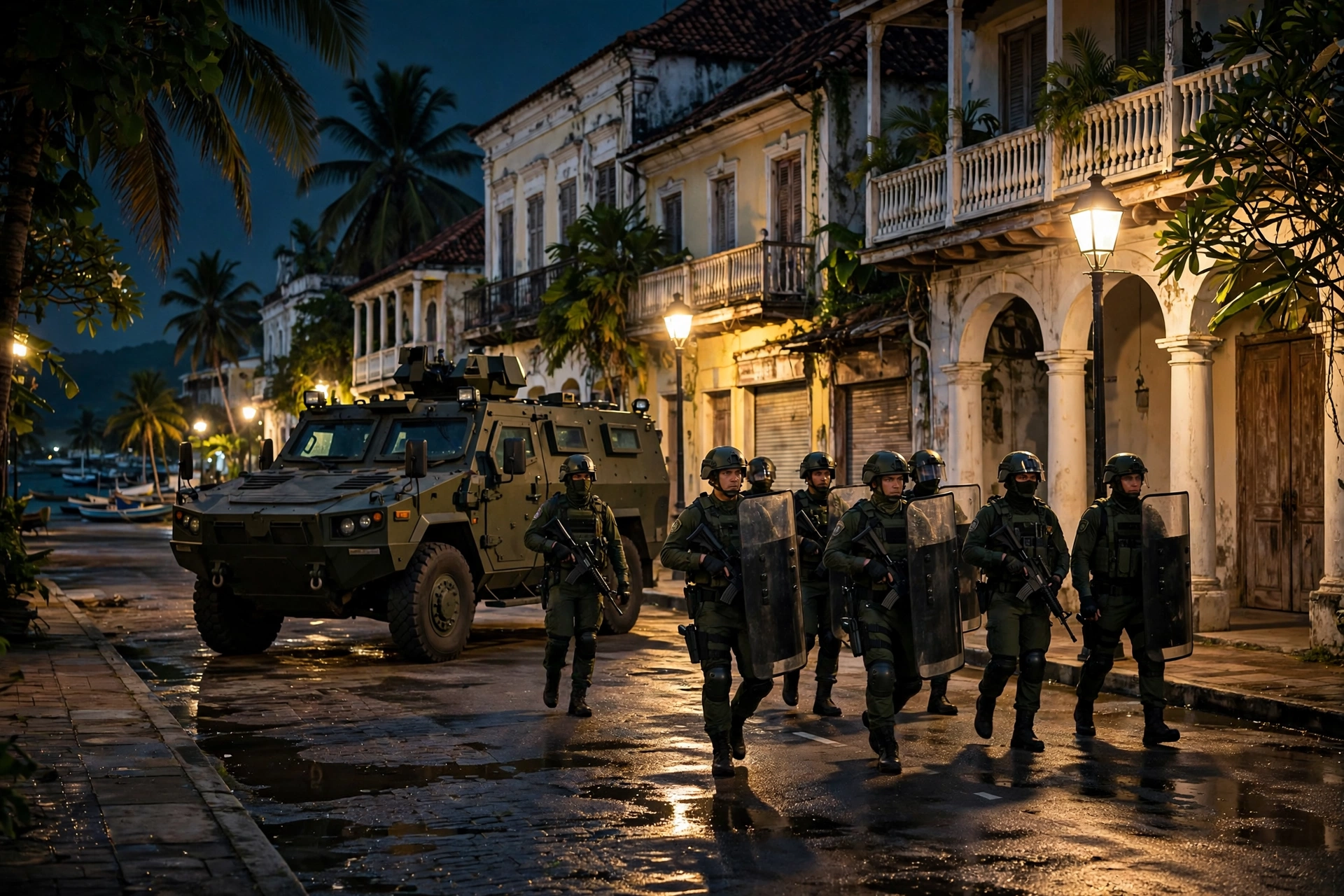
Zoë McCathie, an analyst at the South Africa-based consultancy Signal Risk, told the BBC’s Newsday programme that the government’s first instinct had actually been conciliatory: when the water protests began, authorities responded by supplying more water to households. The escalation, she said, created an “unusual situation” for the country’s security apparatus — protests at this scale simply have not happened in living memory for most Mauritians. She called the government’s decision to close schools and impose a curfew “logical and necessary” given the circumstances.
By Thursday, police said the island was calm, with all roads passable and work and other activities able to resume as normal once the curfew lifted. But the authorities’ own warnings suggest this is a pause, not a resolution.
When the Water Runs Out, Politics Runs Hot
Strip away the dramatic images and the core of this story is brutally simple: people are angry about water and money. And neither problem is going away soon.
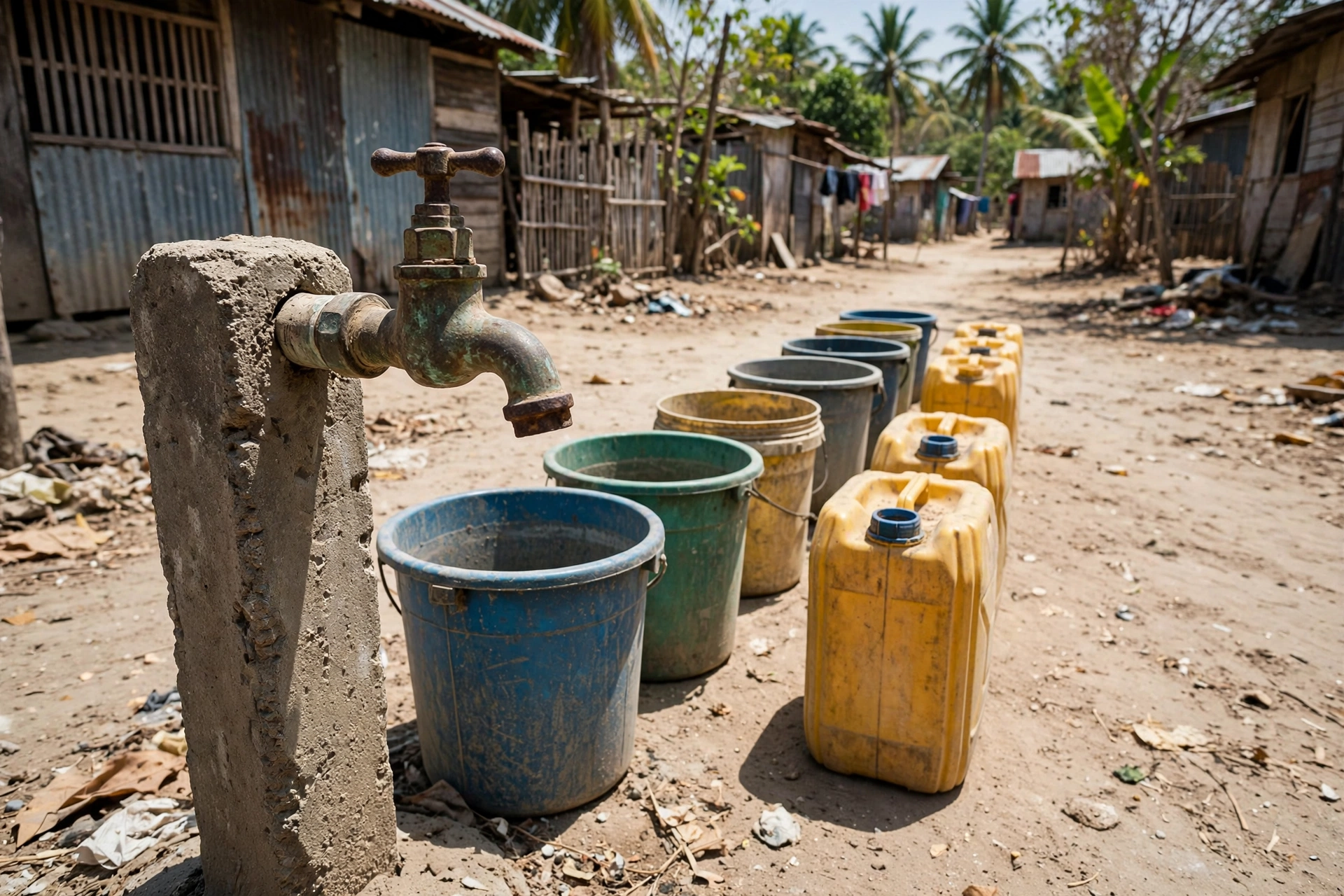
Mauritius is suffering through water shortages severe enough to push ordinary families into the streets — and analysts caution that the shortages could persist until the December rains. That is a chilling timeline for a government trying to convince a frustrated public that things are under control. If taps stay dry for two more months, the pressure for fresh unrest builds with every week.
The cost-of-living half of the grievance is just as stubborn. Mauritius imports almost everything it consumes, which means global price shocks land directly in shoppers’ baskets. When fuel gets expensive, transport costs follow, and food prices climb right behind them. This is the same inflation story squeezing households everywhere — Americans just watched their own inflation rate jump to 3.7% in September — but on a small island with no agricultural buffer, the pain arrives faster and bites harder.
Tourism and financial services, the twin engines of the Mauritian economy, both run on one intangible fuel: trust. Investors park money in Mauritius because it is stable. Tourists book honeymoons there because it is safe. A week of burning tyres and emergency law erodes that trust faster than any marketing campaign can rebuild it. The foreign-office travel alerts issued this week are a flashing amber light for the resort industry heading into peak season.
What the Analysts Are Saying — and What Comes Next
The professional watchers are notably calm — but not complacent. Jervin Naidoo, a senior political economist at Oxford Economics, described the unrest as “a temporary disruption rather than a fundamental deterioration” in the country’s investment outlook. His point: the institutions are intact, the economy’s fundamentals haven’t cracked, and markets will likely look through this once order holds. At the same time, he cautioned that the protests “highlight growing domestic socioeconomic pressures that the government will need to address to preserve Mauritius’ stability and investment appeal.”
That is the tightrope Ramgoolam’s government must now walk. Heavy-handed measures can restore order in the short term — the curfew, the arrests, the Special Mobile Force have clearly done that — but they cannot fill reservoirs or lower grocery bills. And reaching for emergency powers always carries its own risks: we have seen this month how emergency rule in Pakistan’s Khyber Pakhtunkhwa province inflamed an already volatile political situation. The proposed terrorism-act prosecutions and fuel-sale restrictions, in particular, will be watched closely by human-rights observers and investors alike.
The deeper question is whether the shooting on October 9 permanently broke something between the state and its citizens. A government can fix a water crisis with infrastructure. Rebuilding trust after a young woman was shot at a roadblock — under circumstances the authorities still haven’t explained — is harder. The officer’s arrest and the suspension of three colleagues were meant to signal accountability. Whether the public accepts that signal depends on what the investigation delivers.
There is also a regional dimension. The Indian Ocean islands — Mauritius, Seychelles, the Comoros — have long been held up as Africa’s good-news stories: peaceful, prosperous, democratic. A Mauritius in turmoil undercuts that narrative and hands ammunition to every skeptic of the African growth story. When global oil markets are already jittery over war threats near Iran, adding political instability on a key Indian Ocean shipping lane to the mix is the last thing the region’s economies need.
Frequently Asked Questions
Why is Mauritius under curfew?
The government imposed an overnight curfew — later extended for two additional nights — after protests over water shortages and the cost of living turned violent. The unrest escalated sharply after police shot and wounded a 27-year-old woman at a roadblock on October 9, and weekend riots saw burning tyres, blocked roads and vandalised police stations. Police say the island was calm again by Thursday.
How serious is the unrest in Mauritius?
It is the worst civil disorder the island has seen since around 1999, according to security analysts. Around 94 people were arrested, schools closed for the week, public transport was suspended, and the paramilitary Special Mobile Force was mobilised. Foreign embassies issued alerts advising their nationals to be cautious.
Who is Elodie Thomas?
Elodie Thomas is the 27-year-old woman shot and wounded by police at a roadblock on October 9 during the protests. She underwent surgery to remove a bullet. A sergeant has been arrested and three other officers suspended in connection with the shooting, and an official investigation is ongoing.
Will the Mauritius protests start again?
Analysts say it is possible. The water shortages that triggered the original demonstrations could last until the December rains, and the cost-of-living pressures behind the anger remain unresolved. Oxford Economics describes the unrest as a temporary disruption so far, but warns the government must address the underlying socioeconomic pressures to preserve stability.
The Bottom Line
A paradise island imposing a curfew on its own citizens is a story that writes itself — but the real story isn’t the burning tyres. It’s the dry taps and the empty wallets that got people into the streets in the first place, and the single gunshot that turned frustration into fury. Mauritius has restored order with curfews and emergency powers; what it hasn’t restored yet is the trust that made the order worth having. Until the water flows and the prices come down — and until the public gets answers about October 9 — this island’s troubles are on pause, not over.