
Putin Proposes Trilateral Summit With Trump and Xi to End Ukraine War — Here’s What We Know
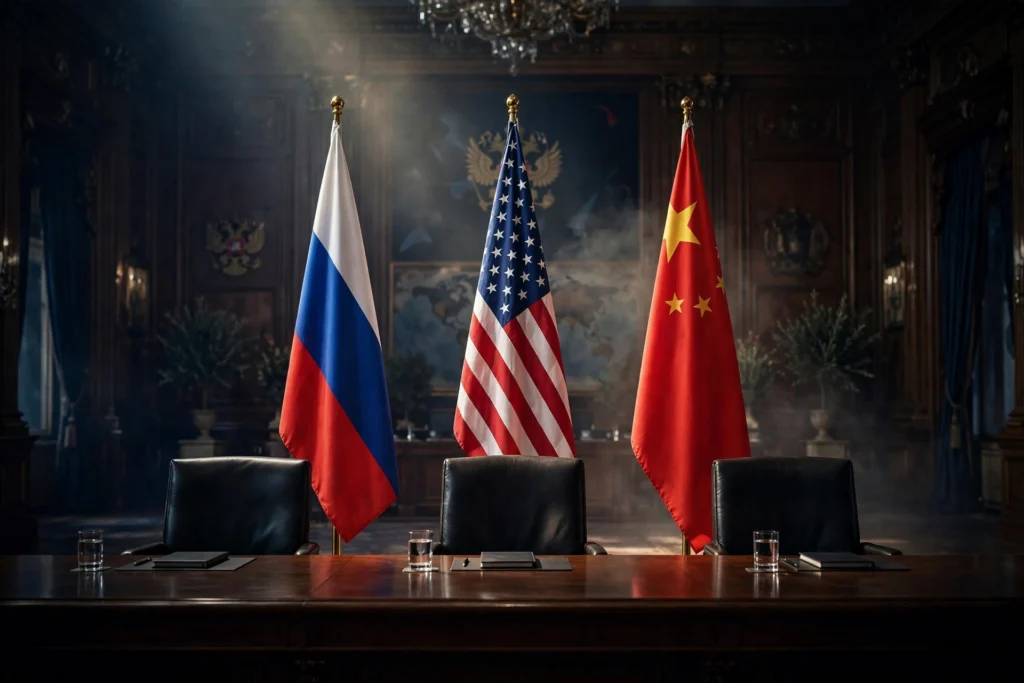
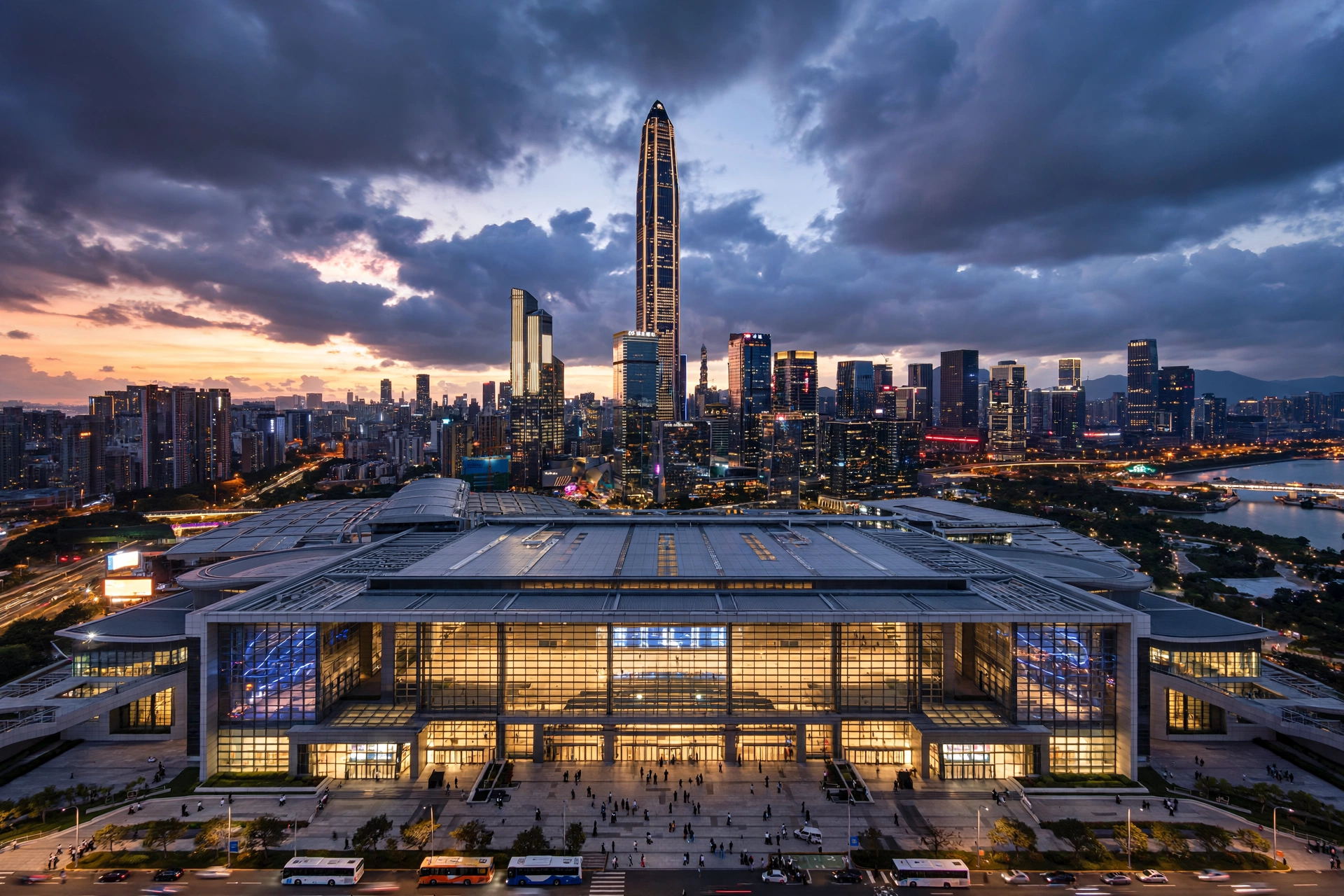
Shenzhen — Picture this: Vladimir Putin, Donald Trump and Xi Jinping walk into a room. It sounds like the setup to a geopolitical joke, but according to a bombshell report this weekend, it might actually happen. The Wall Street Journal revealed that Putin has proposed a trilateral summit with Trump and Xi next month to negotiate an end to the Ukraine war — and the venue under discussion is the APEC leaders’ gathering in Shenzhen on November 18–19.
Yes, really. The three most consequential leaders on the planet, sitting down to talk about ending Europe’s bloodiest conflict in generations. But before you start picturing a historic peace deal, there’s a catch — and it’s a big one. The proposal, people familiar with the discussions say, would push an outcome that favours Moscow. So what is actually happening here? A genuine breakthrough, a diplomatic trap, or something in between? Let’s unpack what’s real, what’s spin, and why this story matters.
What Putin proposed — and when
The Putin Trump Xi summit idea didn’t come out of nowhere. According to the Journal’s reporting, Putin floated it during an October 9 telephone call with Trump — the same call that produced the surprise US-Russia diesel deal and preceded Trump’s move to waive key sanctions on Moscow.
The Kremlin has suggested holding the three-way talks on the sidelines of the Asia-Pacific Economic Cooperation summit, scheduled for November 18–19 in Shenzhen, China. Kremlin spokesman Dmitry Peskov confirmed to the Journal that discussions are underway, though he was careful to lower expectations: “There is no clear understanding yet regarding the meeting itself or its potential agenda, although all three parties acknowledge the hypothetical possibility of such a meeting taking place.”
That is about as lukewarm as a confirmation can get. A senior US official told the Journal that Trump has not agreed to such a summit — though he could be “receptive.” The White House did not immediately respond to requests for comment, and neither the Russian nor Chinese embassies in Washington replied either.
Why now? Follow the warming trail
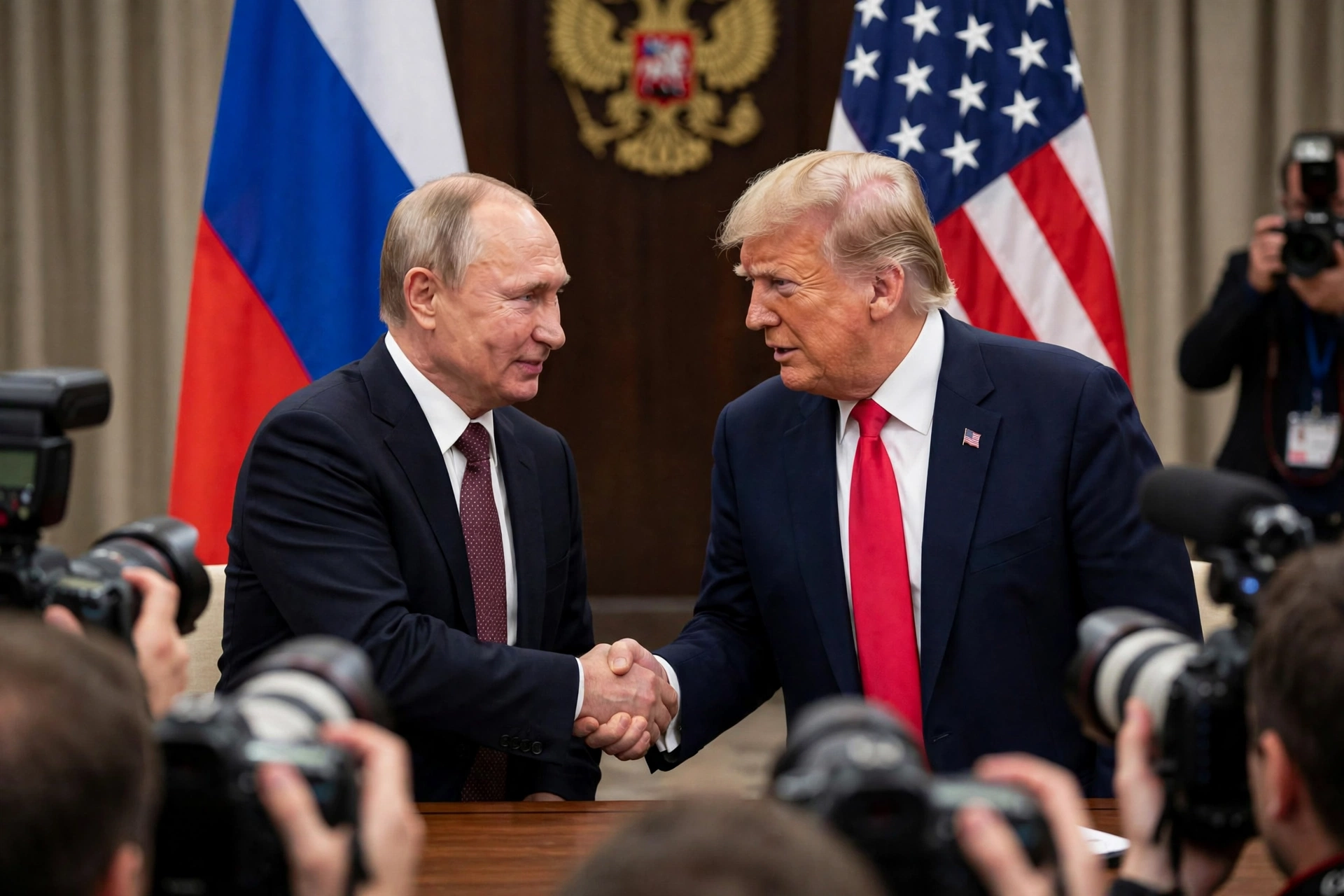
To understand why Putin is proposing this now, you have to look at the remarkable thaw in Washington-Moscow relations over the past few weeks. Trump announced a deal for the US to buy Russian diesel. Then on Friday, he signed an executive order suspending a massive new sanctions package against Russia — a package that was due to take effect just two days later.
Trump’s stated reason? He doesn’t want to push Russia away from the negotiating table. As he put it, the suspension is meant to keep peace negotiations going. Critics — and there are plenty, on both sides of the aisle — see it differently: concession after concession, they say, with nothing tangible given in return.
And here’s the deeper context that makes this summit proposal so loaded. Back on October 1, Putin publicly expressed support for a potential meeting with Trump and Xi, saying the leaders would first need to establish an agenda. Kremlin aide Yuri Ushakov had already been discussing the possibility of a trilateral session on the APEC sidelines. The latest proposal simply puts Ukraine — the four-year war that has defined European security — at the center of those discussions.
For Moscow, a summit of this kind would be a diplomatic jackpot. It would seat Russia at a table of equals with the world’s two largest economies, implicitly treat the Ukraine question as something to be decided over Kyiv’s head, and signal that international isolation has failed. That, more than any ceasefire, may be the real prize Putin is after.
The China factor: why Xi matters
So why include China? Because Xi Jinping is arguably the most important person in this equation who isn’t at war. Beijing is Moscow’s most crucial economic partner — the buyer of last resort for Russian energy and the supplier of the industrial goods keeping the Russian economy afloat. Without China’s tacit backing, Russia’s war effort would look very different.
At the same time, China has been playing its own game of economic muscle-flexing lately. Beijing’s recent export curbs on AI, solar and biotech technologies were a pointed reminder that China holds cards in any negotiation with Washington. People familiar with the summit proposal say Chinese officials would not oppose a meeting if the United States agrees — though Beijing is wary of anything that would derail the APEC agenda it is hosting in Shenzhen.
There’s another wrinkle here. A three-way format that includes China changes the entire chemistry of Ukraine negotiations. Traditional Western diplomacy has tried to keep Ukraine talks between Kyiv, Moscow and Western intermediaries. Adding Beijing to the room gives Russia a powerful ally at the table and risks sidelining both Ukraine and Europe — a prospect that has Ukrainian President Volodymyr Zelenskyy objecting loudly, and European capitals watching nervously.
Could Trump actually say yes?
This is the trillion-dollar question, and honestly, nobody knows. Trump has built his foreign policy brand on the idea that he personally can end wars through sheer dealmaking force — and a summit with Putin and Xi would be the ultimate stage for that story. The optics are irresistible for a president who loves a historic handshake.
But the substance is where it gets dangerous. Any deal that “favours Moscow,” as the Journal’s sources describe Putin’s envisioned outcome, would almost certainly mean pressuring Ukraine into territorial concessions — something Zelenskyy has flatly refused and which would fracture the already-strained Western alliance. European leaders would read a Trump-Putin-Xi carve-up as the United States negotiating away another country’s sovereignty. The bipartisan criticism already raining down on the sanctions waiver would look like a warm-up act.
Then there’s the question of what Trump gets out of it. Putin’s proposal, from Moscow’s perspective, is generous: come to the table, take credit for peacemaking, and pocket the diplomatic win. But experienced negotiators on the US side will be asking what Russia is actually offering — and so far, the answer appears to be “very little.”
What happens next
The calendar is the forcing function: APEC is November 18–19, roughly a month away. In the coming weeks, watch for three signals:
First, whether the White House moves from “no comment” to a real position. Silence so far is telling — it suggests genuine internal debate. Second, whether Zelenskyy and European leaders get a seat at any table, or whether they’re stuck reading about their future in the newspapers. And third, whether the warming US-Russia economic ties — diesel deals, waived sanctions — continue, because every concession now shapes the leverage at any future summit.
One more thing worth noting: this isn’t the first time grand summitry has been proposed as the answer to Ukraine. Every round of headline-grabbing diplomacy so far has run into the same wall — Russia wants recognition of its gains, Ukraine wants its territory back, and no amount of photo opportunities changes that math.
Frequently asked questions
Did Putin really propose a summit with Trump and Xi?
According to the Wall Street Journal, which cited people familiar with the discussions, yes — Putin raised the idea during an October 9 phone call with Trump. Kremlin spokesman Dmitry Peskov confirmed that discussions about a potential meeting are taking place, though no agenda has been agreed.
Where and when would the summit happen?
The Kremlin has suggested holding it on the sidelines of the APEC leaders’ summit in Shenzhen, China, on November 18–19. Nothing is confirmed.
Has Trump agreed to attend?
No. A senior US official told the Journal that Trump has not agreed to the summit, though he could be “receptive” to the idea. The White House has not commented publicly.
Why is this controversial?
Sources say Putin envisions an outcome favouring Moscow, which critics fear could mean pressuring Ukraine into territorial concessions without Kyiv at the table. The proposal also comes amid Trump’s controversial decisions to buy Russian diesel and waive Russia sanctions, which opponents see as concessions to the Kremlin.
The bottom line
A Putin-Trump-Xi summit on Ukraine would be one of the most consequential diplomatic events of the decade — if it happens at all. Right now, it’s a proposal, not a plan: confirmed by the Kremlin in the vaguest possible terms, unconfirmed by Washington, and viewed with alarm by Kyiv and Europe. The smart way to read this story is not as peace breaking out, but as Putin playing the long game — using the lure of a historic summit to lock in the diplomatic gains of a warming relationship with Trump, on Moscow’s terms.
The next month will tell us whether this becomes a genuine turning point or just another headline that history forgets. Either way, the fact that it’s being discussed at all tells you everything about how dramatically the geopolitical weather has changed.
Pingback: Kyiv Under Ballistic Barrage: Russia's Overnight Attack Kills 1, Shuts Metro Stations, Leaves 550,000 Without Power - Storion News
Pingback: US Intel: Putin Directly Ordered a Sabotage Campaign Against NATO — a German Airport Was the Opening Shot - Storion News