
Niger China Oil Ultimatum: Niamey Gives Chinese Giants 45 Days to Return $5.2 Billion
Five billion dollars. That is roughly how much of Niger’s oil money, according to the government in Niamey, never made it home. This week, Niger decided it had waited long enough — and put China on the clock.
In a strikingly blunt televised statement on October 13, Niger’s foreign minister, Bakary Yaou Sangaré, handed the country’s Chinese oil partners a 45-day ultimatum: fix a long list of broken promises, most urgently the missing billions in oil export revenues, or face the consequences. The Niger China oil ultimatum targets three companies — the China National Petroleum Corporation (CNPC), the West African Oil Pipeline Company (WAPCo) and the Zinder refinery operator SORAZ — and it comes just five months after both sides signed a partnership protocol meant to reset their relationship.
The 45-Day Deadline
Sangaré chairs the government committee that has spent five months monitoring the 45 commitments laid out in the partnership protocol signed on May 18, 2026. The verdict, delivered without diplomatic sugar-coating, was damning. Niamey accused the Chinese companies of what the local press called “flagrant opacity and a manifest lack of will” in honoring their contractual obligations, according to Nigerien outlets including Tamtaminfo and Niameyinfo, which reported the committee’s statement in full.
The deadline is firm and public: 45 days to come into full compliance. What makes the warning carry weight is history — Niger’s military government has already shown it is willing to act against its Chinese partners. Earlier this year it ordered three senior Chinese oil executives out of the country, giving them 48 hours to leave over disputes about local pay and working conditions.
Where Did the Money Go?
The heart of the dispute is the money trail — or, more precisely, the absence of one. Since Niger began exporting crude in April 2024, more than 3,000 billion CFA francs — over $5.2 billion at current rates — in export revenues have never been repatriated to Niger, according to the committee’s figures. In two years of exports, only about 105 billion CFA francs actually made it back into the country’s financial circuit.
To put that in perspective: Niamey says Niger’s repatriation rate sits at roughly 6 percent, against a West African community average above 70 percent. The shortfall has cost the public treasury an estimated 17.4 billion CFA francs in direct revenue and drained liquidity from local banks, according to the government — money the state says it desperately needs as it pours resources into territorial security and relief for households hit by the high cost of living.
Where did the money sit instead? Nigerien outlets report the export revenues were held in banks outside the country, notably in Paris and Hong Kong. The companies, the government claims, have invoked derogations written into older conventions — dating to 2008 and 2019 — to sidestep the foreign-exchange repatriation rules of the West African Economic and Monetary Union (UEMOA). Niamey rejects that interpretation outright: community rules, it insists, take absolute primacy, and the old side deals do not exempt anyone from them.
The committee also turned the spotlight on Niger’s own sacrifices. To repay a $400 million commercial loan taken in 2024, the state devoted a full 80 percent of its revenues and cleared the debt entirely by March 30, 2026. In return, it got back a fraction of what its oil has earned.
More Than Money: The Other Broken Promises
The ultimatum is not only about cash. The committee listed failures across the board. On employment, not a single round of local recruitment has begun despite contractual commitments — while 558 expatriates continue to work at CNPC sites, the statement said. The promised “Nigerisation” of the workforce remains, in the government’s words, at a standstill.
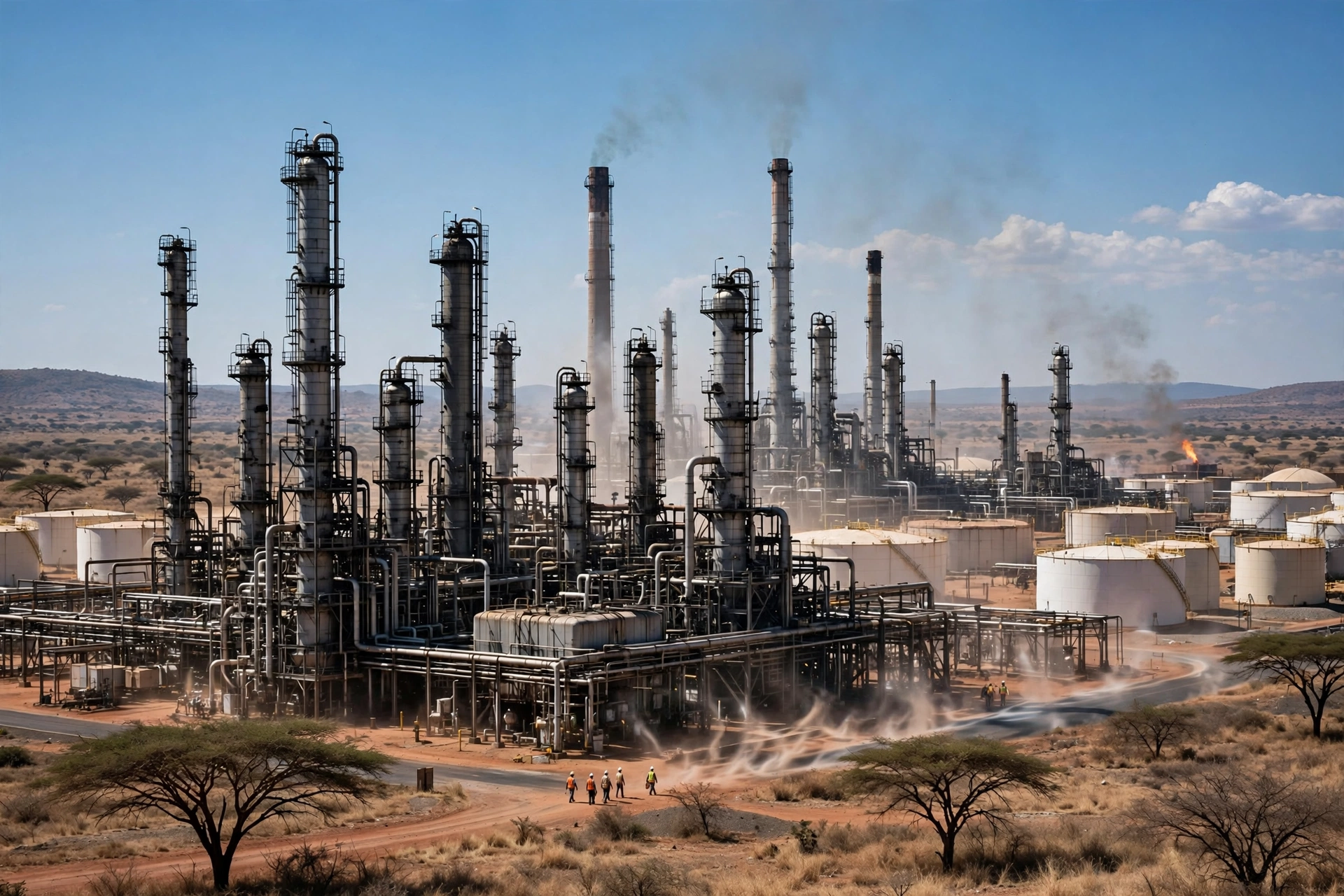
Then there is the matter of what is actually under the ground. The oil reserves of the Agadem block — the field at the center of everything — have never been independently certified since 2008, despite repeated demands. And the Zinder refinery, SORAZ, is operating at about 15,000 barrels per day, just 75 percent of its nominal capacity — a shortfall that ripples directly into the country’s fuel supply.
How Niger Got Here: China Built the Oil Industry
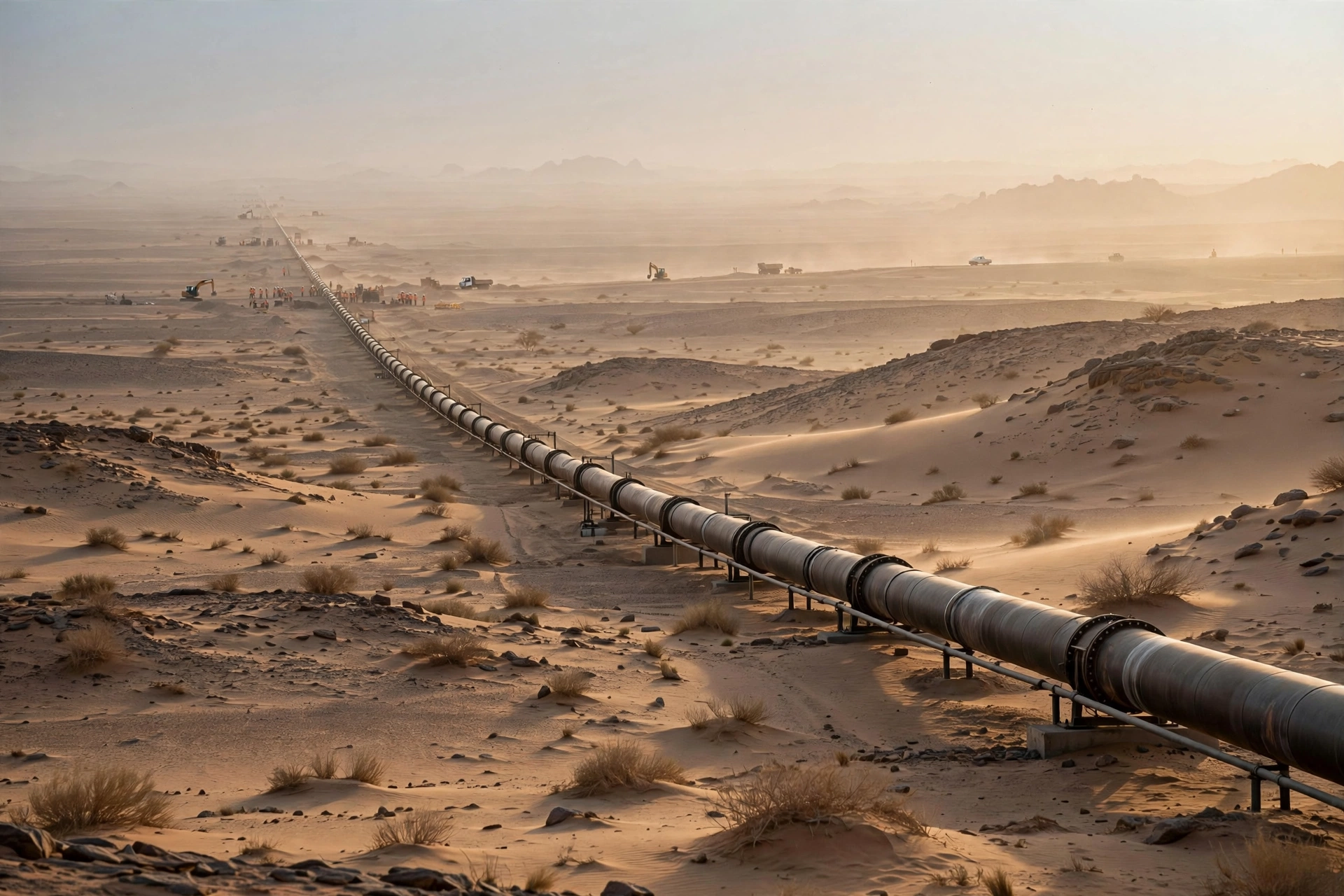
The irony of this standoff is that China essentially built Niger’s oil industry from scratch. CNPC invested more than $5 billion, according to Reuters, developing the Agadem field, constructing the Zinder refinery and laying the 1,950-km Niger–Benin pipeline — Africa’s longest, and the largest infrastructure project in Niger’s history. The investment turned Niger from an oil importer into an exporter almost overnight.
But the military government that seized power in the 2023 coup has made resource sovereignty its defining creed. It has torn up defense agreements with the United States and France, seized control of the French nuclear fuels giant Orano’s Somair uranium mine, and pushed Chinese operators on hiring, pay and transparency. In March, the expulsions of the CNPC, WAPCo and SORAZ directors — two days’ notice, no public explanation — set the tone. Around the same time, the oil minister demanded an end to the pay gap between local workers and Chinese expatriates and pressed for 80 percent local staffing, up from less than 30 percent, according to Reuters.
The standoff lands at a moment when global energy flows are under pressure from every direction. Oil shipping in the Strait of Hormuz is facing sabotage and mine threats that have already sunk a vessel and rattled insurers, while geopolitical brinkmanship keeps crude prices swinging wildly. For buyers watching West African supply, a rupture in Niger’s exports would be one more risk on an already long list.
What Happens If China Calls the Bluff?
That is the question everyone in the region is quietly asking. The Nigerien government has not spelled out the penalties, but its recent track record offers clues: executives expelled in 48 hours, a Chinese-run hotel’s license revoked over alleged discriminatory practices, a pipeline dispute with Benin that once halted exports entirely. Niamey has shown it will reach for hard tools.
China, for its part, has reason to negotiate rather than walk away. More than $5 billion is sunk into Niger’s ground, and the pipeline — built to carry Agadem crude to the port of Seme in Benin — has no easy alternative buyer. Losing the operating relationship would be expensive for Beijing too, and RFI Afrique, which reported the story on October 16, noted that months of quiet negotiation preceded this public escalation.
The honest truth is that both sides are playing a high-stakes game with imperfect information. Niger’s figures on the missing revenues are government claims the companies have not publicly answered. And China has historically preferred to settle such disputes behind closed doors rather than in televised statements. The 45-day clock, which runs out around late November, forces the issue into the open — exactly where Niamey wants it.
Frequently Asked Questions
Why did Niger give Chinese oil companies a 45-day ultimatum?
Niger says CNPC, WAPCo and SORAZ have failed to honor the 45 commitments in a May 2026 partnership protocol. The main grievance is the non-repatriation of over 3,000 billion CFA francs ($5.2B) in oil export revenues, plus stalled local hiring, un-certified reserves and an underperforming refinery.
How much oil money does Niger say is missing?
The government says more than 3,000 billion CFA francs (roughly $5.2 billion) in crude export revenues have not been repatriated since exports began in April 2024. Only about 105 billion CFA francs — roughly 6 percent — has returned to Niger’s financial circuit, against a regional average above 70 percent.
What could happen if the companies miss the deadline?
Niamey has not specified the penalties, but its recent actions suggest serious measures: it previously expelled three Chinese oil executives in 48 hours and revoked a Chinese hotel’s license. Fines, asset seizures or new operating restrictions are all on the table.
Why does China matter so much to Niger’s oil sector?
China’s CNPC invested more than $5 billion building Niger’s oil industry from zero: the Agadem oilfield, the Zinder refinery and the 1,950-km pipeline to Benin. Niger’s military government, in power since the 2023 coup, is now pushing hard for greater local control and revenue.
The Bottom Line
Strip away the diplomatic language and this is a story about leverage. Niger is betting that China’s $5 billion of sunk investment — and its need for reliable crude from a part of the world where allies are thinning out — is worth more than the old, comfortable arrangement. Whether the 45-day deadline produces a negotiated deal or a full-blown rupture will tell us a lot about how much power resource-rich African governments really have in 2026. Either way, the era of quiet business as usual between Niamey and Beijing is over.