
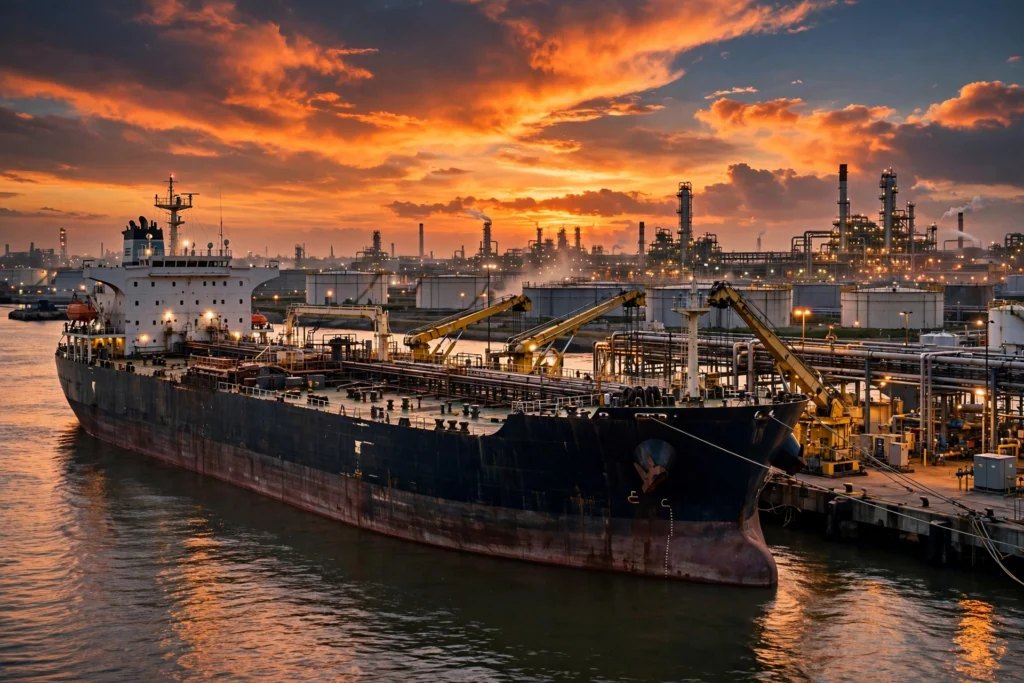
Trump Strikes Russian Diesel Deal With Putin — Zelensky Calls It a “Gift to Putin”
You might not have expected this sentence in 2026: the United States is buying diesel from Russia. Again. Deliberately. And the announcement landed like a thunderclap — not in Moscow, where it was welcomed, but in Kyiv, where President Volodymyr Zelensky called it nothing less than a “gift” to Vladimir Putin.
Here’s what happened, why Trump says America needs it, why Ukraine says America shouldn’t do it, and why this could reshape one of the most tangled alliances of the past decade.
The deal, in plain numbers
On Friday, Donald Trump announced that Putin had agreed to release 300,000 tonnes of diesel fuel immediately into the American and global markets. According to Trump, another 500,000 tonnes would follow in November, with a further one million tonnes delivered after that.
Then, in a post on Truth Social, the president raised the stakes even higher: an additional three million tonnes of Russian diesel could arrive “within a short period” — though he acknowledged that would depend on the condition of Russia’s refineries, several of which have been hammered by Ukrainian drone strikes.
To make it legal, the US Treasury issued a temporary license suspending sanctions on Russian diesel exports until April 7. Other Russian assets — including funds held in American banks — remain frozen.
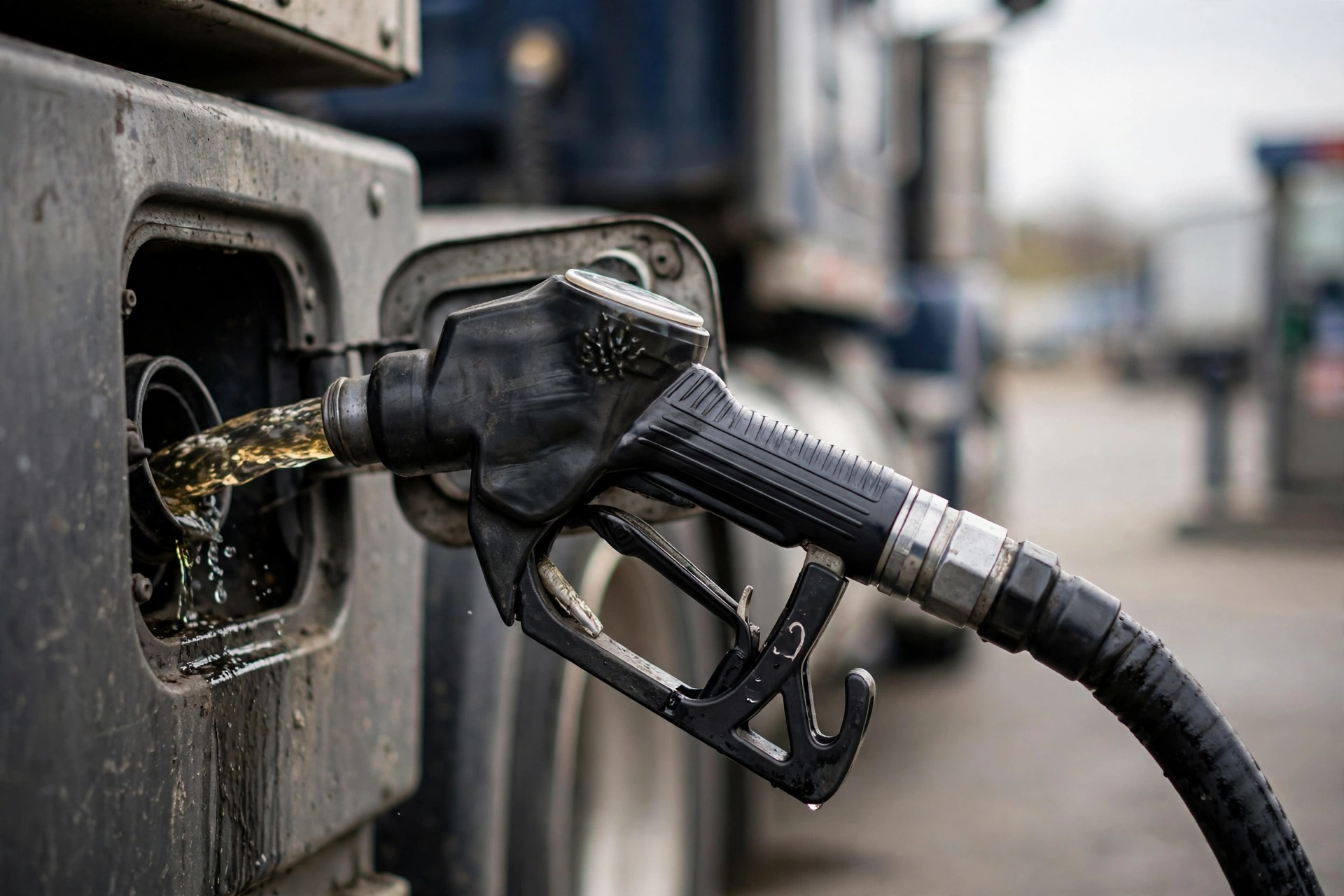
For context, the average price of diesel in the United States now sits around $6.28 per gallon, after spiking to a record $6.53 at the end of September. If you’re a trucker, a farmer, or anyone who heats a home with oil, you know exactly why the White House is feeling the heat.
Zelensky’s verdict: “a gift to Putin”
Kyiv did not mince words. Zelensky warned that buying Russian fuel would effectively hand Moscow the money to keep fighting — describing the agreement as, in his words, “an investment in a war that must be ended, not prolonged.”
He went further, warning that Russia would repay the diesel deal with “further terror,” and urged Washington to keep the pressure on Moscow rather than ease it: Ukraine, he wrote, is counting on America having “a correspondingly strong conversation with Russia. A strong one, not a weak one.”
The argument is straightforward: every barrel of Russian fuel sold is revenue for the Kremlin’s war machine. From Kyiv’s perspective, a sanctions suspension on diesel — even a temporary one — loosens the economic grip the West has spent years tightening. Washington has taken an aggressive stance on sanctions in other theaters too, which is exactly why Ukraine views any softening toward Moscow as a dangerous precedent.
Trump fires back: “time for Ukraine to get a new president”
Trump’s response, delivered to reporters outside the White House on Saturday, was characteristically blunt. He said Zelensky “wants to make problems for the world” by continuing to authorize strikes on Russian refineries. “He’d better damn well stop,” Trump added — before suggesting that Ukraine should “get a new leader who can make a deal.”
That’s an extraordinary thing for an American president to say about the leader of a country at war. But it captures how the relationship has evolved: Trump frames the issue as one of stubborn obstructionism, while Zelensky frames it as a matter of national survival.
Putin’s envoy, Kirill Dmitriev, welcomed the diesel agreement, saying energy cooperation between Russia and the US would benefit the world — and described Trump’s intervention as “iconic and historic.” Moscow, for its part, confirmed Putin had spoken with Trump about the global energy situation, and said Russia was prepared to supply oil and petroleum products to American and global markets — though, notably, Putin specified no quantities.
Why is Trump doing this now?
Follow the money — and the politics. American households are being squeezed by fuel costs that keep feeding wider inflation. Tim Armitage, an investment strategist at Quilter Cheviot, noted that the initial 300,000-tonne shipment is too small to move US fuel prices in any meaningful way, and described the deal as a possibly “slightly desperate move” to curb inflation ahead of the midterm elections.
There’s also the bigger energy picture. The US–Iran confrontation that has already squeezed global energy markets continues to rattle supply lines, and regional tensions in the Middle East — including the recent deadly Houthi missile strike on Riyadh’s airport — keep traders on edge. When diesel is scarce and prices are high, even a sanctioned supplier starts looking tempting to a president under pressure at home.
Europe is not amused
Across the Atlantic, the reaction has been one of alarm. EU foreign affairs chief Kaja Kallas warned that easing sanctions “provides Moscow with more revenues to wage war,” while Britain said it would maintain pressure on Russia regardless of what Washington does.
That sets up an awkward split: the US temporarily buying Russian diesel while its own allies keep tightening the screws. If the Treasury license holds until April 7, Europe faces months of diplomatic friction with its most important partner over a policy it sees as a gift to the Kremlin.
The big question: can Russia even deliver?
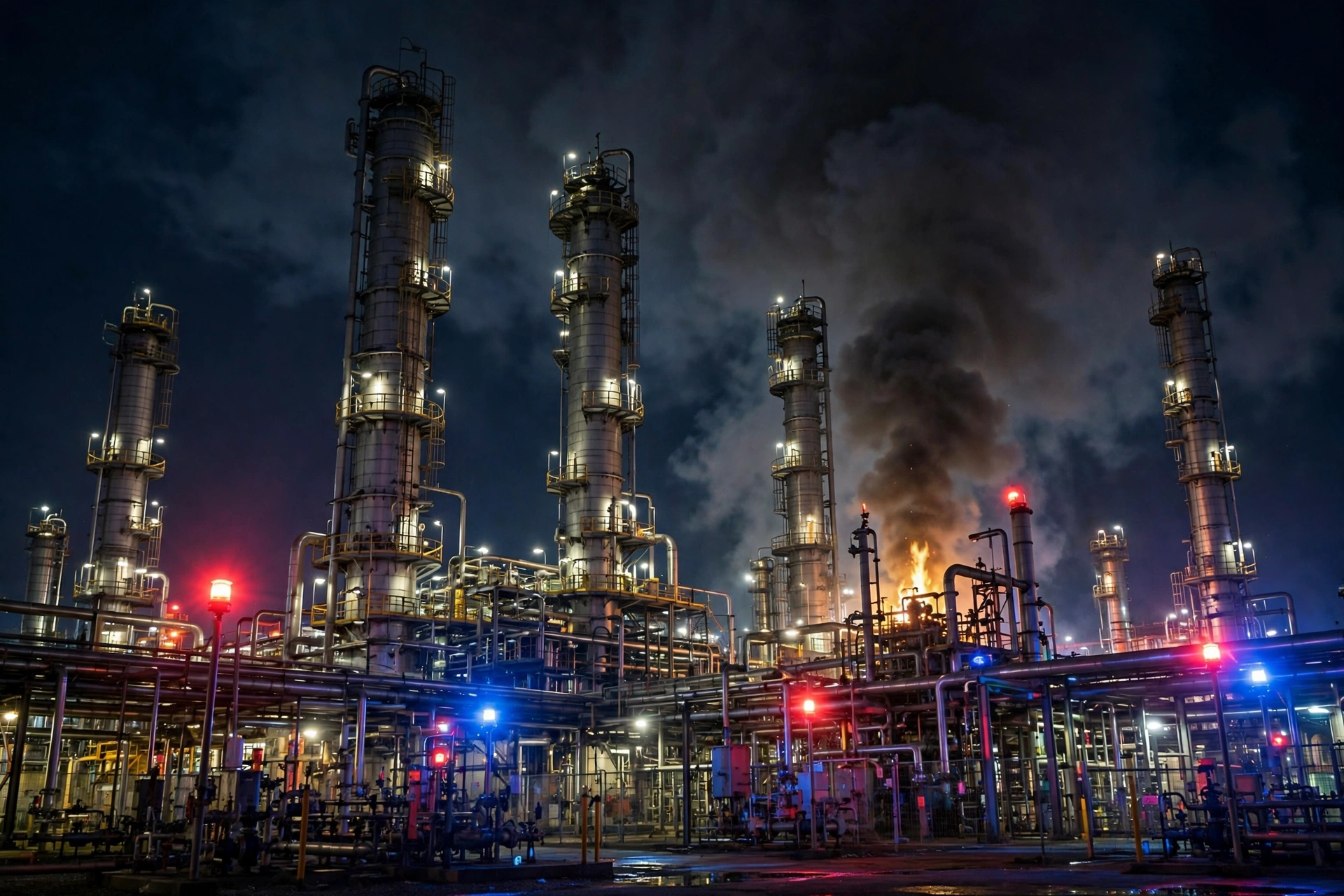
This might be the story’s most underappreciated twist. Russia imposed a ban on diesel exports earlier this year amid domestic supply problems. Its refineries have taken a beating from Ukrainian attacks, which have reportedly cut diesel production significantly. Putin confirmed willingness to supply — but gave no numbers, which is telling.
Trump himself flagged the uncertainty, tying the ambitious three-million-tonne follow-up to the “condition of Russian refineries.” So the deal’s biggest obstacle may not be politics at all. It may be physics: you can’t export fuel from plants that are on fire.
Frequently asked questions
What exactly did Trump announce?
A phased diesel import deal: 300,000 tonnes of Russian diesel released immediately, 500,000 more in November, another one million after that — plus a possible extra three million tonnes if Russian refineries hold up. The Treasury suspended diesel-related sanctions until April 7 to make it happen.
Why is Zelensky so angry about it?
He argues the money will fund Russia’s war effort — calling the deal a “gift” to Putin and “an investment in a war that must be ended, not prolonged.” From Kyiv’s view, any sanctions relief undermines years of Western economic pressure.
Will this actually lower diesel prices in America?
Probably not much, at least not at first. Analysts note the initial shipment is far too small to move national prices. The real value for Trump may be political: showing voters he’s attacking fuel costs ahead of the midterms.
What does Europe think?
Not much of it. The EU’s top diplomat warned it hands Moscow “more revenues to wage war,” and Britain says it will keep its own pressure campaign going. Expect transatlantic tension over this through the winter.
The bottom line
Strip away the rhetoric and you’re left with a president choosing cheaper fuel over a harder line on Moscow — and a wartime leader who sees that trade as a betrayal. Trump is betting that American voters will reward him for attacking pump prices, while Zelensky is betting that history will judge any sanctions relief as a lifeline to the Kremlin. Both can’t be right. And with Russian refineries burning, Europe fuming, and the midterm clock ticking, this diesel deal may end up being about far more than diesel.
Pingback: Trump Announces Russia-Ukraine Energy Ceasefire — But Zelensky Is Surprised and Moscow Is Silent - Storion News
Pingback: Nobel Prize in Economics 2026: How Two Americans Cracked the Code Behind Boom-and-Bust Economies - Storion News