
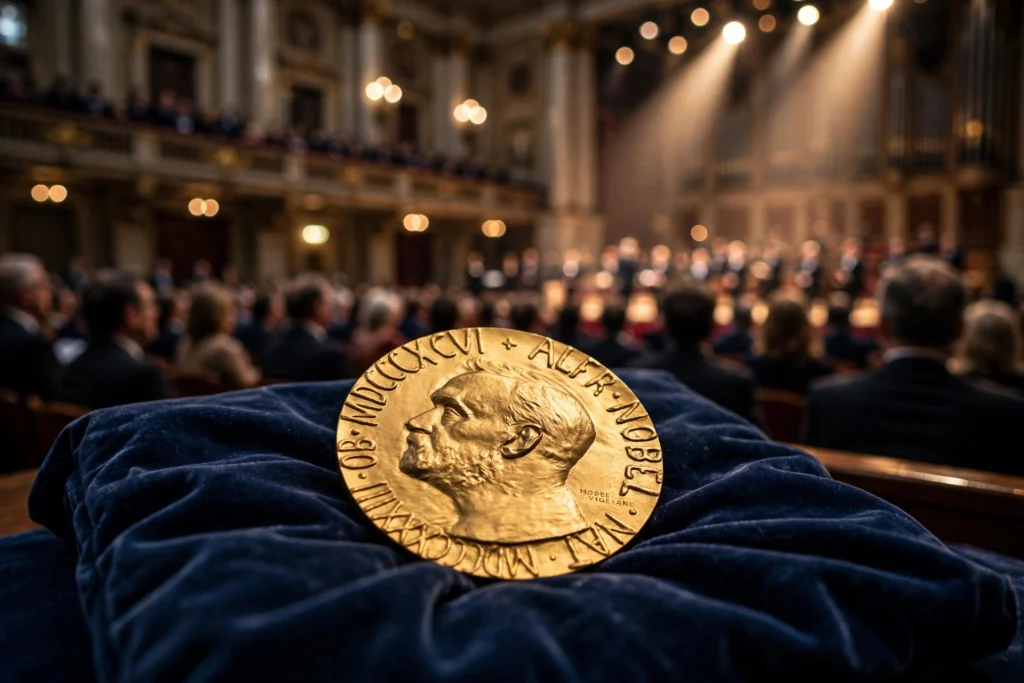
Nobel Peace Prize 2026: The 85-Year-Old Judge Who Took on Tyrants — Navi Pillay’s Justice Triumphs
The Woman Who Took on Tyrants — And Just Won the World’s Biggest Prize
Picture this: you’re sitting in a courtroom where Nazi leaders were tried eighty years ago, and your phone buzzes with news that changes your life forever. That is exactly where Navanethem “Navi” Pillay was when she learned she had won the 2026 Nobel Peace Prize.
On Friday, October 9, the Norwegian Nobel Committee announced that the Nobel Peace Prize 2026 goes to the 85-year-old South African judge “for her efforts to promote peace and international law” — a recognition of a five-decade career spent dragging some of the world’s worst criminals into courtrooms. The prize carries 12 million Swedish kronor, roughly $1.2 million.
It was a choice that celebrated justice — and set off a geopolitical firestorm within hours.
From Apartheid South Africa to the World Stage
Pillay was born in Durban in 1941, under the boot of apartheid. The law she studied was designed to crush people like her. So she turned it into a weapon against the system itself. In 1967, she became the first non-white woman to open her own law practice in South Africa’s Natal province, spending more than a decade defending anti-apartheid activists — including Nelson Mandela — and fighting the torture of political detainees.
Her doctoral thesis at Harvard Law School, where she earned her master’s in 1982 and doctorate in 1988, asked whether justice was even possible in a country whose courts served an oppressive regime. Her career became the answer: yes — if you fight for it.
When apartheid fell, Mandela appointed her in 1995 as the first non-white woman judge on South Africa’s High Court. It was only the beginning.
The Judge Who Changed What Counts as Genocide
Pillay spent eight years on the International Criminal Tribunal for Rwanda — four of them as its president — and her rulings there rewrote international law. Her tribunal was the first to officially codify rape and sexual violence as acts of genocide, transforming crimes that had been treated as tragic byproducts of war into prosecutable atrocities.
She went on to serve as a judge at the International Criminal Court and then as United Nations High Commissioner for Human Rights from 2008 to 2014. Few living jurists have shaped the modern legal system more deeply.
Why This Nobel Peace Prize 2026 Pick Sparked Outrage
Here’s where the story gets politically explosive. From 2021 to 2025, Pillay chaired the UN Commission of Inquiry on Gaza. In September 2025, that commission concluded that Israeli actions in Gaza met most elements of the 1948 Genocide Convention — a finding Israel firmly rejected.
The Nobel Committee’s chairman, Jorgen Watne Frydnes, told reporters that her work on that commission was “an important part of the reasoning” behind the award. The committee also pointedly stressed the courage of judges who face political attacks and economic sanctions — a theme with obvious modern resonance.
The backlash was immediate. The office of Israel’s prime minister accused the committee of having “lost its moral compass” and attacked Pillay’s record. Former U.S. President Donald Trump, who had campaigned hard for the prize himself last year, called the award a stain on Norway. U.S. Secretary of State Marco Rubio announced measures restricting American cooperation with the International Criminal Court and related financial ties — a move reported as direct retaliation that could weaken the very institutions Pillay spent her life building.
Even before the announcement, betting markets swung wildly — Yulia Navalnaya, widow of late Russian opposition leader Alexey Navalny, surged overnight, running neck-and-neck with Ukrainian children’s rights activist Mykola Kuleba hours before Pillay’s name was read. For context, last year’s laureate, María Corina Machado, later stunned Norway by gifting her medal to Trump.
International Law Under Siege
Strip away the politics and the committee’s message is clear: international law is under attack, and the world needs people willing to defend it. Pillay herself has warned that assaults on the legal order risk dragging the world back to an era where power, not law, decides whose suffering counts.
That warning lands with weight when you look at today’s flashpoints — from tensions in the escalating standoff with Iran over the Strait of Hormuz to the mysterious sinking of a vessel in that same waterway, questions of who enforces the rules, and how, have never been more urgent. The prize is a reminder that accountability is not a given — it is built, case by case, by people like Pillay.
What She Did With the Moment
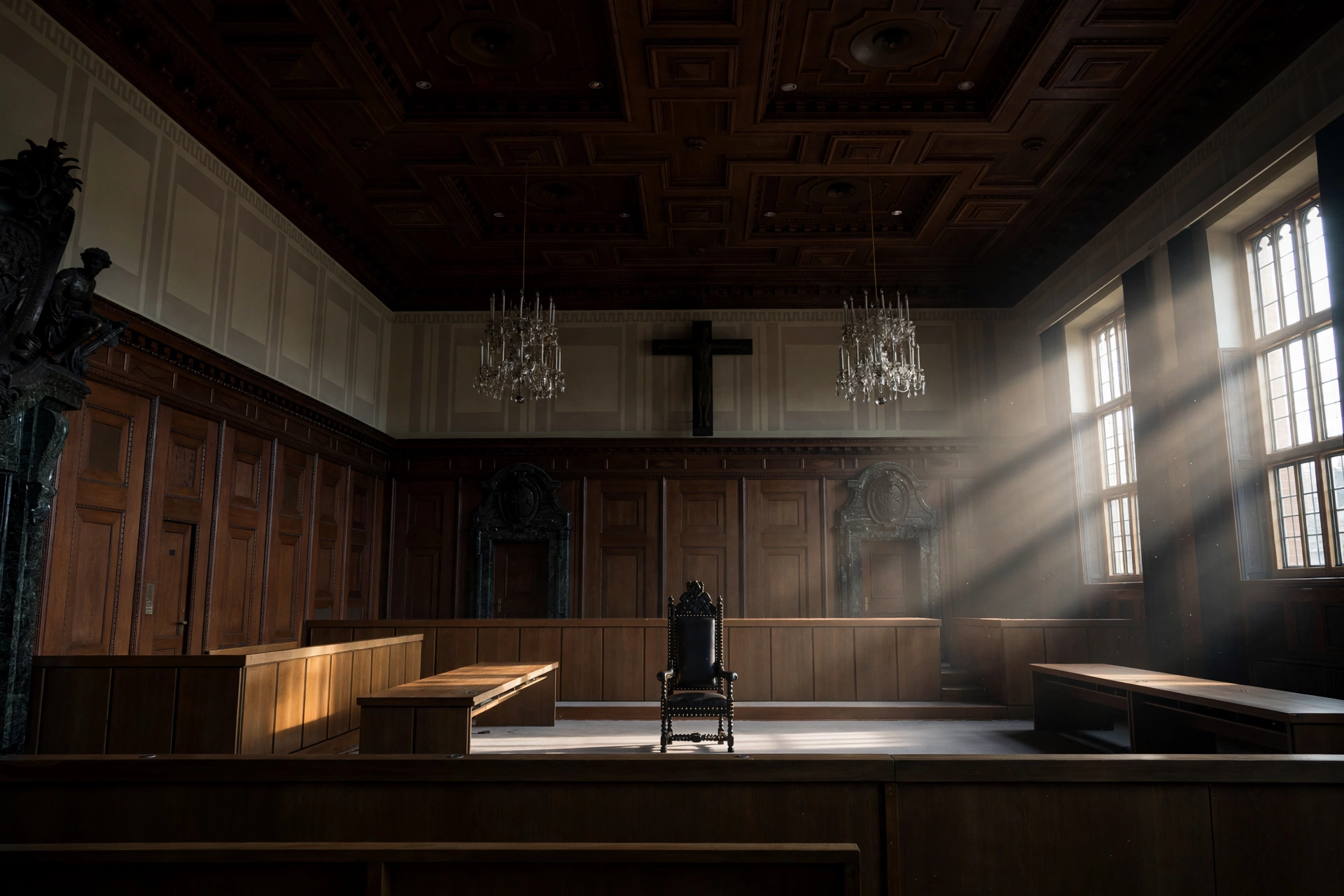
Sitting in that historic Nuremberg courtroom, Pillay dedicated the prize to survivors of international crimes and to defenders of justice worldwide. “Perhaps it was meant to be that I was in this historic courtroom,” she reflected — a line that gave the moment an almost cinematic symmetry.
The choice carries special resonance for Africa, a continent where colonial subjugation and endless modern conflicts have too often shown how power overrides law. Pillay’s emphatic insistence that leaders everywhere answer to international law is one African capitals, among others, will be hearing loudly.
Nobel Peace Prize 2026: FAQ
Who won the Nobel Peace Prize 2026?
Navanethem “Navi” Pillay, an 85-year-old South African jurist and former UN High Commissioner for Human Rights, recognized for her lifelong work promoting peace and international law.
Why was Navi Pillay awarded the prize?
The committee cited her five decades of legal work: defending anti-apartheid activists, presiding over the Rwanda tribunal that defined rape as genocide, serving on the ICC, and defending international courts at a time of intense political pressure.
How much is the 2026 Nobel Peace Prize worth?
The prize carries 12 million Swedish kronor, approximately $1.2 million, awarded to the laureate at the ceremony in Oslo this December.
Why is the 2026 award controversial?
Pillay chaired a UN commission whose 2025 report concluded Israel’s Gaza actions met most elements of the Genocide Convention — a finding the committee factored into its decision. Israel denounced the award, and the U.S. responded with measures restricting cooperation with the International Criminal Court.
The Bottom Line
The Nobel Peace Prize 2026 is not just an award for one remarkable woman’s life — it is a statement. In an age when strongmen mock courts and treaties like optional extras, Oslo just placed its biggest bet on the idea that law still matters. Navi Pillay spent sixty years proving that even the most powerful can be held to account. Whether the world listens is now up to the rest of us. And if history’s judgment means anything — debates over military justice and accountability continue at home too, as dozens of retired generals weighing in on a contentious execution recently showed — the struggle she championed is far from over.