
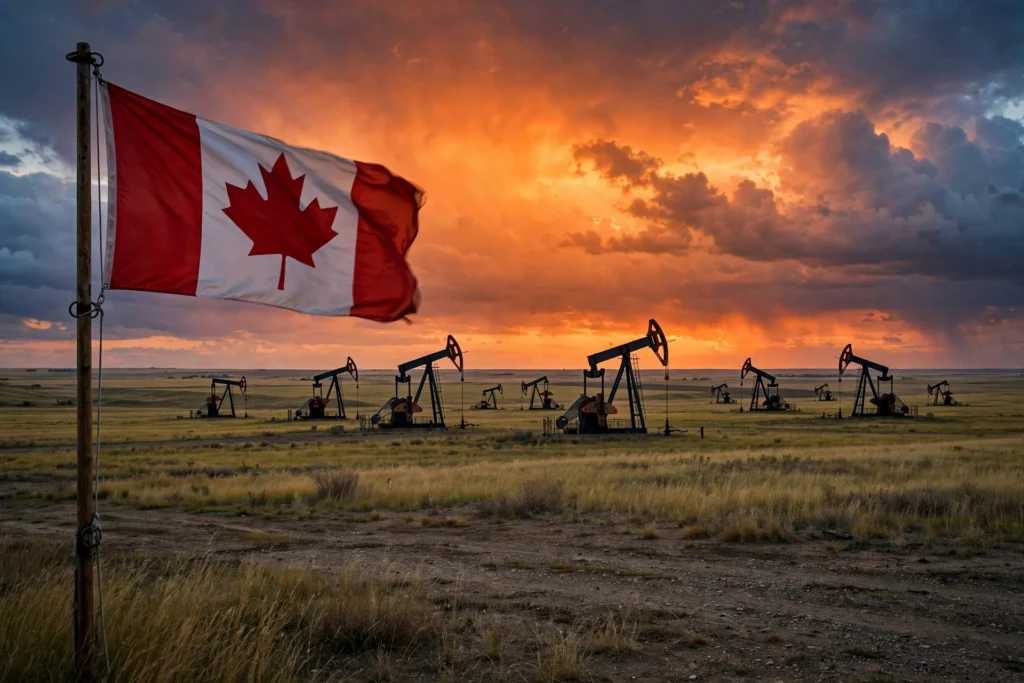
Carney Warns the U.S. Wants to “Break” Canada as Alberta Votes on Separation Path Monday
Something extraordinary is happening in Canada this weekend
On Monday, one of the most energy-rich provinces on the planet — a place sitting on the world’s fourth-largest proven oil reserves — will vote on whether to begin the legal process of walking away from Canada altogether. And the country’s prime minister is openly warning that a powerful neighbor is quietly cheering for the breakup.
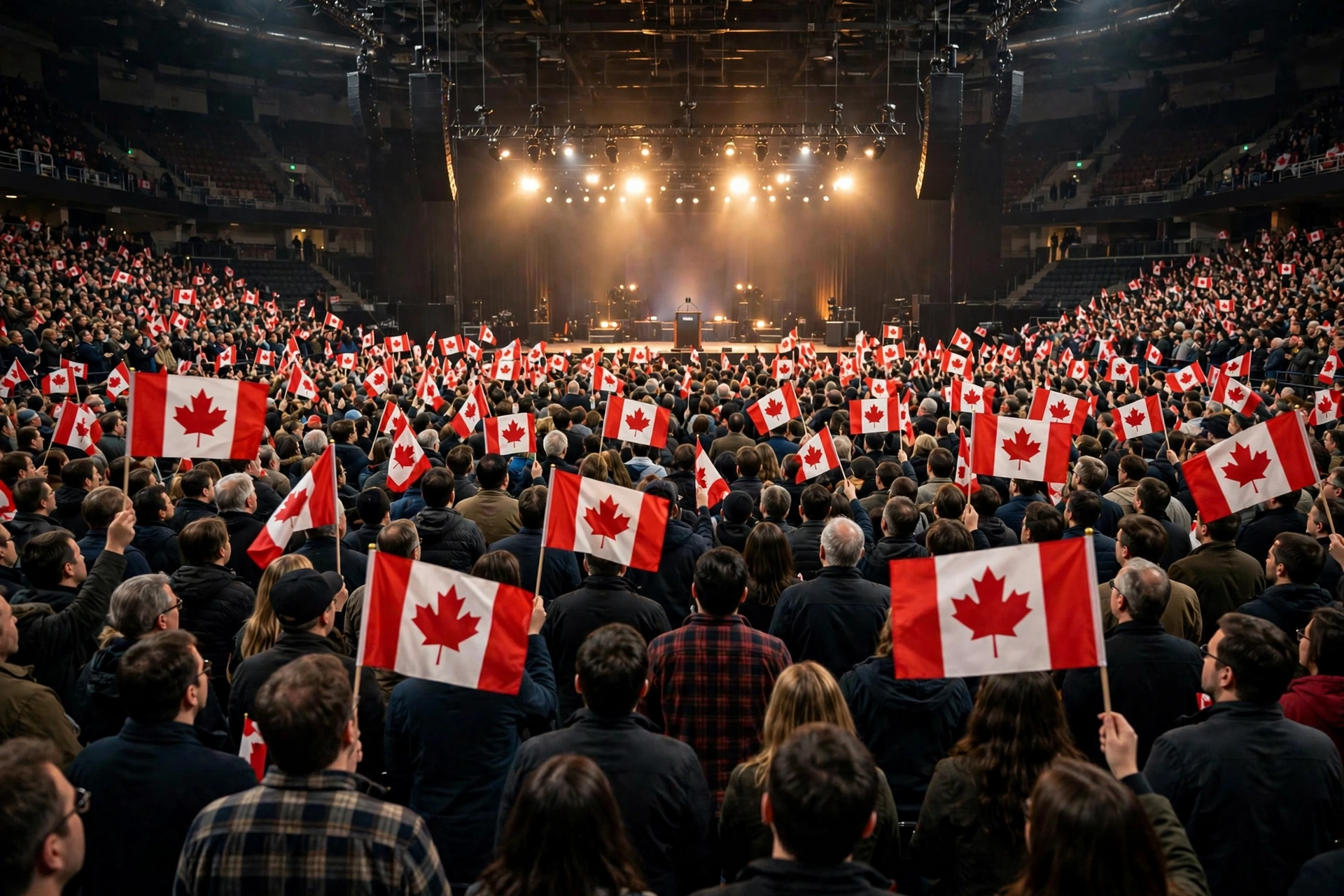
Canadian Prime Minister Mark Carney stood before a roaring pro-Canada crowd in Calgary on Thursday and delivered one of the starkest warnings of his political career: the United States, he said, is trying to break Canada so it can “own us.”
“This referendum comes at the worst possible time,” Carney told the Forever Canadian rally, according to the Associated Press. “The world has become more dangerous and divided. Some outside our borders are working to break us so they can own us.”
He didn’t name names in that passage. He didn’t have to.
What Monday’s vote is actually about
Here’s what makes this moment so strange: Monday’s referendum is not a vote on independence. Not directly, anyway.
Albertans will be asked whether their province should remain in Canada — or instruct the provincial government to begin the legal process toward a future, binding referendum on separation. Think of it as a vote on whether to open the door, not a vote on whether to walk through it.
That distinction matters enormously, and it’s exactly what Carney is trying to hammer home. “Don’t be fooled by the idea you can ‘send a message’ with your vote,” he warned the Calgary crowd. “This is not poker.”
His message was blunt: a vote against Canada isn’t a protest. It’s a dangerous bluff that would plunge the province into years of deep division and great uncertainty — and, he argued, a decisive result on Monday could settle the separation question for a generation.
Why Alberta is angry enough to consider leaving
To understand how a Canadian province got here, you have to understand Alberta’s relationship with oil — and with Ottawa.
Alberta’s oil sands hold the world’s fourth-largest proven oil reserves, making the province the beating heart of Canada’s energy economy and home to roughly five million people. For decades, many Albertans have felt that federal energy policies, immigration rules, and Ottawa’s authority over their resources shortchange the province that powers so much of the national economy. The pattern of oil-rich regions using their energy leverage to demand better terms is one we’ve seen play out elsewhere in the world — Alberta is just the latest chapter.
Separatist organizations have gained real political momentum in recent years, even though polling suggests fewer than one in four Albertans actually support full independence. Grievance, it turns out, is a stronger force than the math.
Carney himself grew up in Alberta, and he acknowledged those grievances on Thursday rather than dismissing them — arguing that past federal policies had left Albertans feeling disconnected from decisions about their own resources. But feeling unheard, he insisted, is a reason to fix the federation, not to leave it.
The Trump factor hanging over everything
None of this is happening in a vacuum. Carney’s warning landed against the backdrop of an American president who has spent his second term waging a trade war with Canada and repeatedly musing — sometimes as a joke, sometimes clearly not — about making Canada the 51st U.S. state.
Trump’s tariffs and annexation rhetoric have already strained the relationship between two of the world’s closest neighbors, and Trump has repeatedly shown he treats trade pressure as a geopolitical weapon. Carney has responded by arguing that Canada must become more economically resilient and far less dependent on the United States.
So when the prime minister says outsiders want to “break” Canada so they can “own” it, every Canadian voter hears the same unspoken name. An Alberta drifting toward separation would be weaker, more isolated — and far easier for Washington to push around.
Carney’s counter-pitch: build, don’t break
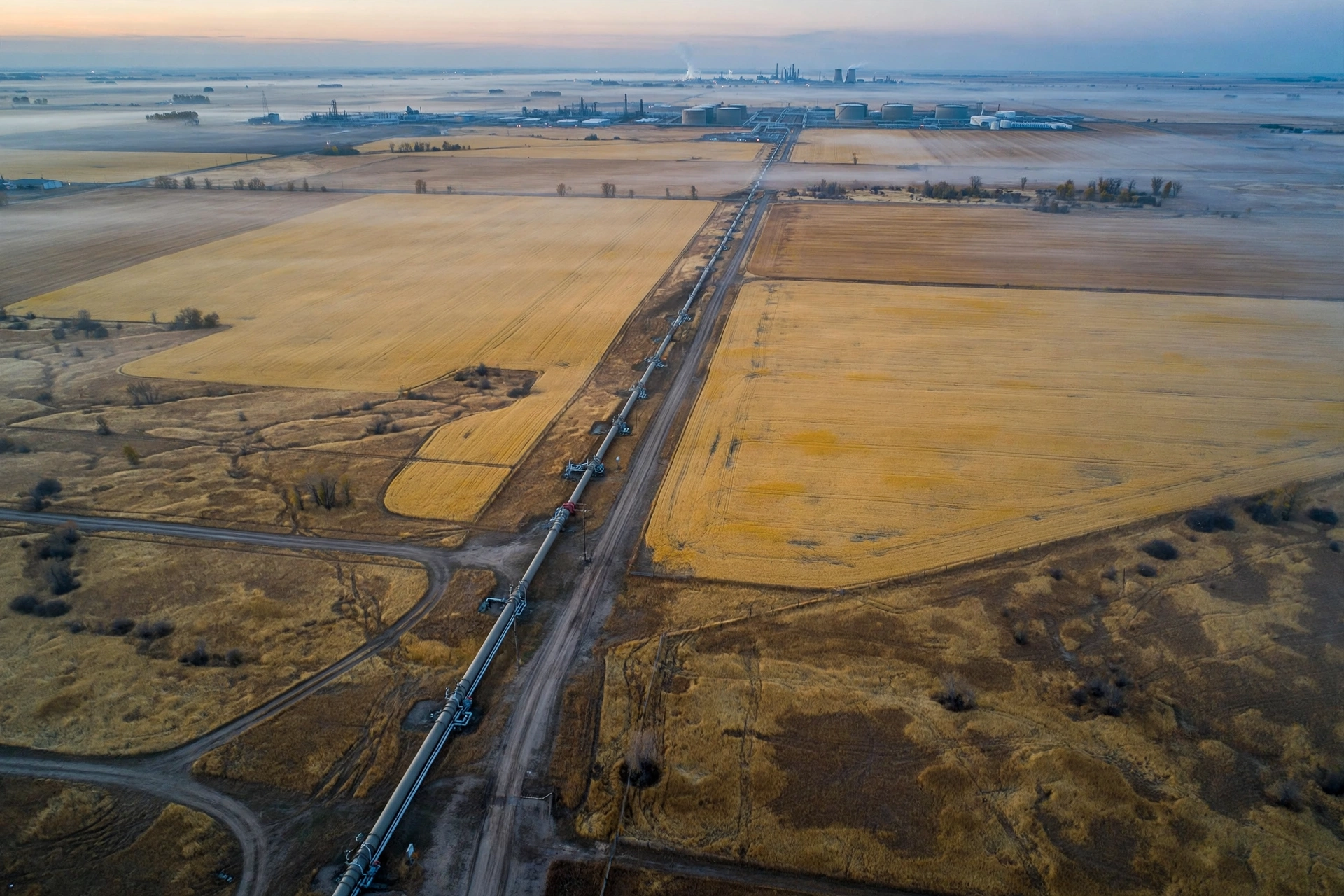
On Friday, Carney took the same message to a second rally in Edmonton, shifting from warning to promise. His office framed the pitch around Alberta’s central role in Canada’s energy future: the Pacific Link pipeline, he said, would unlock the country’s full energy potential and cut its dependence on the United States.
“Canada is building big again. Alberta is at the very heart of it,” he told supporters, urging them to choose construction over fracture — to stand up for Canada at the moment, in his telling, when the world is most dangerous to the divided.
He also leaned hard on turnout, reminding the crowd that polls don’t vote — only people do. Advance polling was continuing through Saturday ahead of Monday’s vote.
The premier’s awkward position
Adding to the drama: Alberta Premier Danielle Smith, who called the referendum in the first place, reportedly voted Wednesday to remain in Canada — while continuing to demand major reforms from Ottawa.
It’s a politically delicate dance. Smith is channeling separatist pressure without fully embracing it, betting that the referendum process itself will force concessions. Separatist leaders, meanwhile, insist that existing agreements with Ottawa have already failed them. Whether Monday produces a decisive rejection of separation or a messy mandate for more brinkmanship, the fallout will land in Ottawa within hours.
What happens next
With polls showing independence itself below 25% support but the process question much tighter, Monday’s result is genuinely hard to predict — which is precisely why turnout is everything. A decisive “stay” vote would bury the separation question, at least for now. A narrow result either way would keep the crisis simmering, with volatile global energy markets adding fresh urgency to every argument about who controls Alberta’s oil.
For Carney, the stakes are personal and political: a prime minister who grew up in Alberta, watching his home province vote on whether to start leaving the country he now leads — while across the border, an American president talks about ownership.
Frequently asked questions
Is Alberta voting on independence on Monday?
No. Monday’s referendum asks whether Alberta should remain a province or instruct the government to begin the legal process toward a future, binding separation referendum. It’s a vote on starting the process, not on leaving.
Why does Carney say the U.S. wants to break Canada?
Carney argues that outside forces — a clear reference to the Trump administration’s trade war and repeated “51st state” threats — benefit from a divided, weakened Canada that would be easier to pressure and economically dominate.
How much support does Alberta independence actually have?
Polling suggests fewer than one in four Albertans support full independence. But separatist organizations have gained significant political momentum, and the referendum’s process question could draw a much closer result than an independence vote would.
What is the Pacific Link pipeline?
It’s the energy project Carney is championing as Alberta’s future: a pipeline meant to unlock Canada’s full energy potential and reduce the country’s dependence on the United States for energy transport and markets.
The bottom line
Monday’s vote won’t decide whether Alberta leaves Canada — but it will decide whether the country’s most volatile political question gets settled or supercharged. Carney has framed it as the most consequential choice Albertans have faced in a generation: build the federation together, or gamble it at the table. As he put it in Calgary, this is not poker. And the whole world will be watching the hand Alberta plays.
Pingback: Canada's CFB Wainwright Is Burning: Deadly Military Base Fire Kills Several, Dozens Hurt - Storion News